

By James Simons-
In a recent address at the UN, Donald Trump delivered sharp criticism towards the United Nations and NATO, while also targeting London’s mayor. He further asserted his own claims for a Nobel Peace Prize, stirring international discourse.
These comments from the former US president mark a significant return to the international stage and highlight his unique brand of diplomacy. His speech focused on a range of global issues, offering a stark contrast to previous US foreign policy approaches.

AD: Capeesh Restaurant
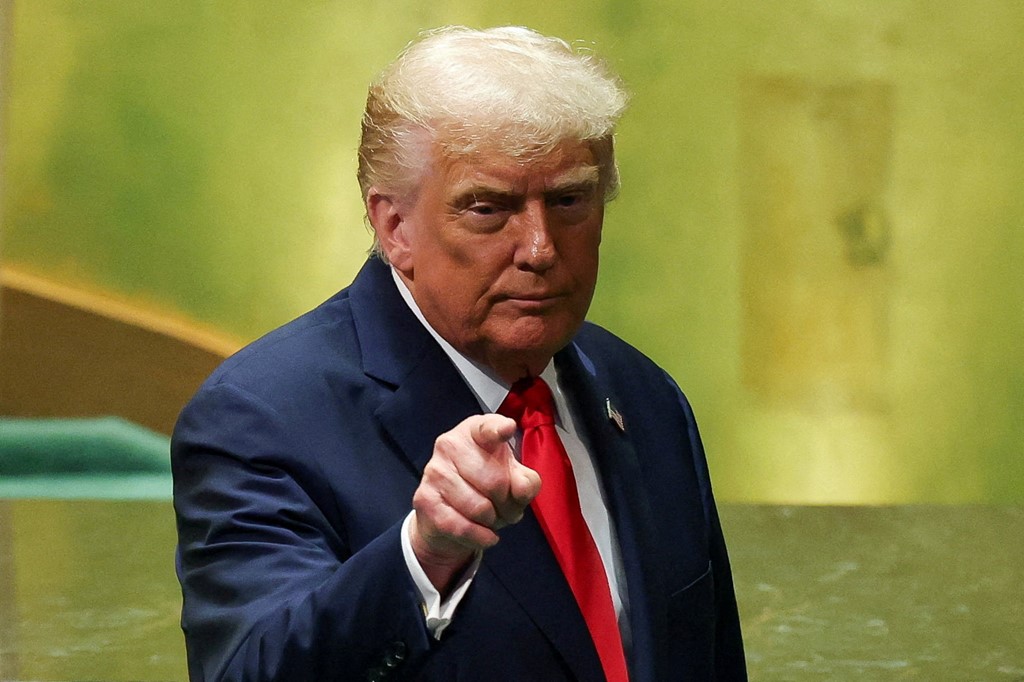
‘Your countries are being ruined’, Trump tells UN – as he warns of ‘uncontrolled migration’. Reuters
Trump said: “Everyone says that I should get the Nobel Peace Prize for each one of these achievements, but for me, the real prize will be the sons and daughters who live to grow up with their mothers and fathers because millions of people are no longer being killed in endless and unglorious wars. What I care about is not winning prizes as much as saving lives.”
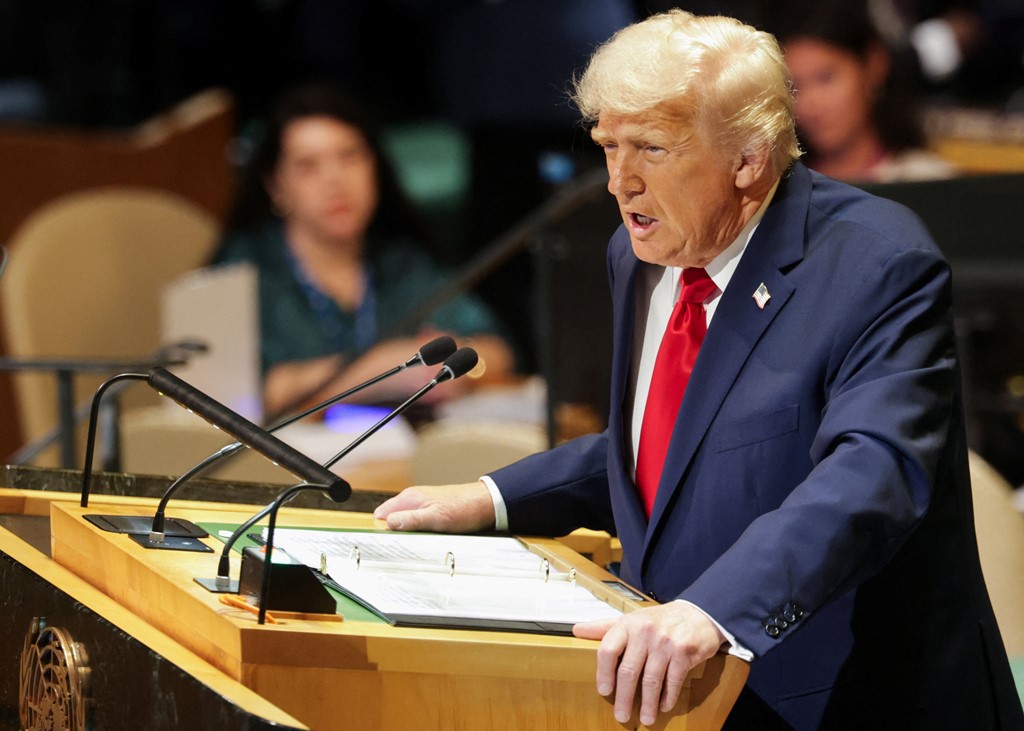
Reuters
Trump’s Controversial Comments at UN
Donald Trump’s comments on the world stage were unreserved. At the UN, he attacked the UN’s effectiveness and criticized its members. He also took aim at NATO, stating that the alliance was not paying its fair share.

AD: Oysterian Sea Food Restaurant And Bar
Furthermore, he launched a direct verbal assault on London’s mayor. This section of the speech was delivered with his characteristic confidence, drawing strong reactions from attendees and observers worldwide. Trump’s UN speech signaled his continued influence on global affairs and his potential role in future international relations.
International Relations Shift on Palestine
The diplomatic landscape around a Palestinian state is undergoing a significant shift. The UK, Canada, and Australia have formally recognized a Palestinian state, with Portugal also expected to follow suit. This move has been applauded by the Palestinian Mission, which calls it a long-overdue step.
However, the decision has been met with fierce opposition from Israel. Prime Minister Benjamin Netanyahu called the recognition “absurd” and a “reward for terrorism.” This diplomatic action underscores the complex nature of the Israeli-Palestinian conflict and the diverging views of world leaders.
A Middle East correspondent explained that while the recognition is largely symbolic, its importance should not be understated. Symbolism holds immense weight in the Middle East. The recognition may not immediately alter the situation on the ground, but it sends a powerful message of support for the Palestinian cause.
The correspondent noted that political motivations likely played a role in the decisions of the UK, Canada, and Australia. The US, with Trump’s vocal opposition, stands in contrast to the stance of its key allies.
Amidst the diplomatic maneouvering, the conflict in Gaza continues to escalate. Recent overnight Israeli strikes have resulted in at least 34 deaths. Military operations are ongoing near the Gaza border. The situation remains volatile, with international calls for de-escalation growing louder.

AD: Heritage And Restaurant Lounge Bar


