
By Lucy Caulkett–
The British Association of Social Workers has issued a formal and unreserved apology to mothers and families affected by the historic forced adoption practices that saw thousands of unmarried women separated from their babies, acknowledging for the first time the responsibility of the social work profession and its predecessors in a system that caused lasting trauma.
BASW said on Wednesday that it recognised the role played by so-called Moral Welfare Workers, the predecessors of modern social workers, in practices that pressured unmarried mothers to relinquish their children for adoption between 1949 and 1976.

AD: Capeesh Restaurant
The organisation said its official schedulled apology applied to an estimated 185,000 mothers who experienced forced adoption during the period, when pressure from the state, churches and professionals could leave women believing they had little or no choice but to give up their babies. A 2022 report by Parliament’s joint committee on human rights said that pressure on mothers to give up their babies emanated from families, religious institutions and practitioners, including social workers.
The Catholic Church originally issued an apology in 2016, followed by the Scottish Government in 2023, and the Church Of England in August 2026, led by the first female Archbishop of Canterbury, Sarah Mullally, Mullally at the time said many prejudices based on race and disability shaped and defined many of the experiences and outcomes., although it affected women of all races who were unmarried mothers.
The Parliamentary inquiry found that women were subjected to intense social, familial, religious and institutional pressure. The Government’s 2026 apology refers to approximately 185,000 birth mothers and adopted people in England and Wales who may have been affected. The central issue was being an unmarried mother in a society where pregnancy outside marriage carried considerable stigma.

AD: Oysterian Sea Food Restaurant And Bar
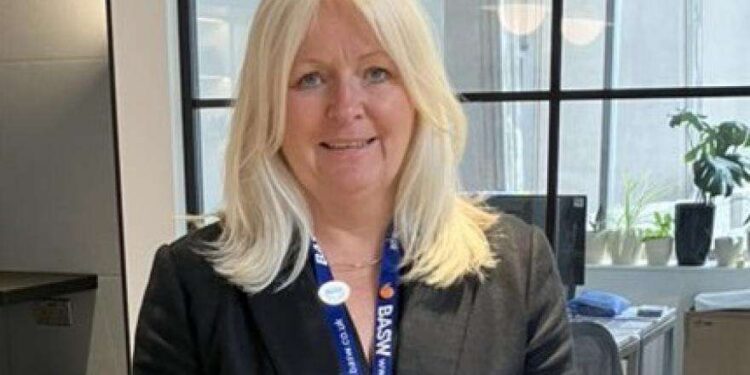
A statement sent to the Eye of media.com read by the BASW organisation read: “BASW is issuing this apology following a motion from our members at our 2026 AGM,” said BASW interim chief executive Professor Samantha Baron (pictured). “We completely agree that we, as the voice of social work, need to acknowledge the history and responsibility of morale welfare workers from this time.”
“Mothers had their children removed from them without their informed consent, which would have caused unimaginable pain and trauma,” Baron said. “As a reflective profession, it is only right that the social work sector apologises and recognises these injustices and the lasting trauma endured by affected women, children and families.” This apology is an acknowedgment of our members wishes, and we will now be reaching out to consult organisations representing affected mothers and adoptees to offer a formal apology coproduced with those who have suffered”
Professor Baron has been a qualified social worker for over four decades, with a career focused on development of the profession and supporting social workers in their professional development and day to day practice.
The apology comes just months after the British Government formally acknowledged its own responsibility for the scandal. In July, former British Prime Minister, Sir Keir Starmer apologised in Parliament on behalf of the British state, describing the historic practices as a profound injustice and announcing a £4 million package of support for people affected.
The Government said the practices predominantly occurred between 1949 and 1976 and involved mainly young, unmarried women who were coerced into giving up their children. It estimated that the lives of around 185,000 mothers, adopted people and wider family members were affected.
Starmer told Parliament that the state had failed mothers and children and said: “The shame is not yours. The shame was never yours. The shame is ours.” The BASW apology therefore marks another significant development in the long-running campaign by mothers and adoptees for recognition of what happened to them. The former British prime minister’s apology was the result of a 16 year campaign for the enormous pain and grief suffered by many unmarried mothers at the time
Women affected by historic adoption practices have described being treated as though pregnancy outside marriage was a moral failing. Many were sent away from their families, placed in maternity homes and pressured to surrender their babies. In numerous cases, campaigners have said, women were not given meaningful information about their rights or genuine freedom to make an informed decision about whether to keep their children.
The consequences did not end when an adoption order was made. Mothers were separated from sons and daughters they had given birth to, while adopted people could grow up without knowledge of their biological families, medical histories or origins. The historical context is particularly important because BASW itself was not created until 1970.
It was formed through the amalgamation of several existing professional organisations, including bodies whose membership included Moral Welfare Workers. Those workers operated in a very different social and legal environment from that of contemporary social work. Their work with unmarried mothers was influenced not only by government policy but also by prevailing religious and social attitudes towards sex, marriage and motherhood.
BASW’s own historical review acknowledges that Moral Welfare Workers were involved in adoption practices before the 1973 Houghton Report, which contributed to subsequent changes and a strengthening of children’s rights.
Research cited by BASW includes work by Dr Michael Lambert of Lancaster University, who examined the role of social workers and the archives of BASW and its predecessor organisations held at the University of Warwick. The apology is also notable because BASW’s position has evolved.
In a 2023 statement on so-called “forced adoption”, the organisation argued that the term could be problematic because it risked grouping together very different historical and contemporary adoption practices. It nevertheless acknowledged the profound and lifelong consequences adoption can have for birth parents and adopted people.
The latest statement goes considerably further, explicitly accepting responsibility for the role of Moral Welfare Workers in pressuring unmarried mothers to give up their children.
BASW has stresses ,that its apology is not intended as a condemnation of adoptive parents or of individual social workers who were operating within the law and policies of their time. The Black Country Branch, whose members proposed the motion that led to the apology, said many adoptions were successful while insisting that the profession must confront the long-term harm caused to mothers and adoptees.
That distinction is significant. The controversy is not simply about whether adoption itself was legitimate, but about the circumstances in which consent was obtained — or was effectively absent — and the cultural and institutional pressures placed upon vulnerable women.
The Black Country Branch’s motion called for BASW to issue an unreserved apology to unmarried mothers who, because of pressure from the state, churches, Moral Welfare Workers and other professionals, believed they had no real choice but to relinquish their babies.
The move followed a vote at BASW’s annual general meeting in September. Members unanimously backed the formal apology, even as the meeting was overshadowed by wider criticism of BASW’s leadership, finances and governance.
The timing for campaigners is significant. The Government’s July apology was the culmination of decades of campaigning by affected mothers, adoptees and their families. It was accompanied by measures intended to improve access to adoption records, support family reconnection, strengthen health and mental-health support, develop peer networks and preserve the testimony of people affected by historic forced adoption.
The Government also said it would establish a lived-experience reference group and commission a testimonials project to ensure that the experiences of those affected are preserved.
BASW’s intervention adds a professional dimension to that reckoning. It acknowledges that responsibility did not rest solely with politicians or government departments, but extended into the institutions and professions that implemented policy on the ground.
The organisation says the apology should form part of a broader process of reflection and learning for social work. mothers who lost children under a system they say denied them meaningful choice, an apology cannot restore the years that have passed or undo the consequences for families separated by adoption.
What it can do, campaigners have long argued, is acknowledge that what happened was wrong — and ensure that the experiences of those affected are no longer dismissed, minimised or forgotten. BASW’s formal apology now adds the voice of the UK’s professional social work body to a growing institutional recognition of one of Britain’s most painful chapters in modern family and social policy.

AD: Heritage And Restaurant Lounge Bar