
By Gavin Mackintosh-
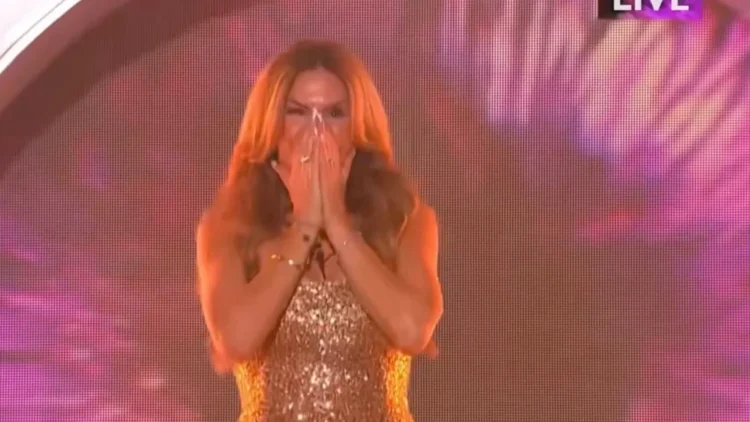
Rochelle Rackham’s(pictured) victory in the 2026 Big Brother final has triggered a fresh wave of viewer criticism, with more than 900 complaints reportedly reaching broadcasting regulator Ofcom following the announcement. Her controversial win has reignited questions about contestant behaviour, reality television’s duty of care and whether broadcasters are doing enough to protect participants from harmful treatment.
The latest series of Big Brother has ended, but the controversy surrounding the ITV reality show is showing little sign of disappearing. Rochelle Rackham was crowned the 2026 winner on Thursday, 5 November, securing the £100,000 prize after beating fellow finalist Lucinda ‘Twinks’ Burnett in a closely contested public vote. However, her victory has been accompanied by renewed viewer anger, with reports indicating that more than 900 complaints were submitted to Ofcom following the finale.

AD: Capeesh Restaurant
Rackham’s triumph was particularly divisive because of the confrontations and disagreements that had dominated much of the eight-week series. Her treatment of fellow housemates, including comments and arguments that attracted criticism from viewers, had made her one of the programme’s most controversial personalities.
Rather than receiving an entirely celebratory reception, she was reportedly met with sustained boos from the studio audience as she emerged from the house with the winner’s title.
The reaction raises an important question about the relationship between public voting, television entertainment and accountability. Big Brother has traditionally relied on conflict, personality clashes and emotionally charged situations to attract viewers. Yet the latest series has prompted renewed debate about whether the pursuit of dramatic television can sometimes come at the expense of participants’ dignity and wellbeing.

AD: Oysterian Sea Food Restaurant And Bar
One of the most significant controversies involved housemates Omar El Mayer and Rhianna Collins. Scenes broadcast on 19 October showed an increasingly uncomfortable exchange between the pair after tensions developed in their relationship.
Viewers saw Omar challenge Rhianna over her feelings, tell her not to cry and instruct her not to look away while they were speaking. The confrontation prompted an extraordinary response from audiences, with Ofcom receiving 7,138 complaints about that single episode, according to figures reported by Radio Times.
The complaints centred on concerns about Omar’s behaviour towards Rhianna, with some viewers questioning whether the programme had adequately addressed what they perceived as controlling or emotionally intimidating conduct. Women’s Aid also expressed concern about the portrayal of the relationship, warning that such scenes risked presenting harmful behaviour as entertainment.
The backlash was not confined to the relationship between Omar and Rhianna. Earlier episodes attracted hundreds of complaints following heated exchanges involving Rackham, Johanne Cade and Pauline Adeyemo.
An episode broadcast on 27 September generated 493 complaints, according to reports, following an argument involving accusations and discussions about alleged microaggressions and racial prejudice. Further complaints concerned the treatment of other contestants, including newcomer Twinks.
Rackham herself became a focal point of criticism after comments about disability and weight attracted negative attention. One particularly contentious exchange involved her remarks to fellow housemate Charlotte, who had lost all four limbs as a child. Rackham reportedly said she had a fear of people with no arms. Other comments about contestants’ appearance and personal circumstances also generated criticism.
Despite the controversy, the public ultimately chose Rackham as the winner. She defeated Twinks by a narrow margin of just 1.03 percentage points, demonstrating that the audience vote did not necessarily reflect the anger expressed by some viewers online and through formal complaints. Following her victory, Rackham defended her experience on the programme, describing the eight weeks as “mental torture” and insisting that she deserved the prize money.
The broadcaster has previously defended its approach to contestant welfare. A Big Brother spokesperson said housemates receive respect and inclusion training, alongside extensive briefings about appropriate behaviour and language before entering the house. The production team also said contestants are monitored around the clock and have access to a dedicated welfare team before, during and after filming.
However, the scale of the complaints has renewed scrutiny of how those safeguards operate in practice. Critics argue that training and monitoring must be accompanied by timely intervention when behaviour causes distress, particularly when relationships and confrontations are broadcast to millions of viewers. The question is not simply whether producers have procedures in place, but whether those procedures are sufficiently effective to prevent harmful situations from escalating.
There is also a distinction between public dissatisfaction and regulatory wrongdoing. An Ofcom complaint does not automatically mean that a programme has breached broadcasting standards, nor does the number of complaints establish that a contestant has behaved unlawfully. The regulator must assess the material against its Broadcasting Code and determine whether further investigation is justified.
The controversy also places the programme within a longer history of Big Brother disputes. The original Channel 4 era was marked by major controversies, including the 2007 racism row involving Jade Goody and the 2018 Roxanne Pallett incident, in which allegations of an assault against fellow contestant Ryan Thomas were later withdrawn. Both episodes demonstrated how reality television can move beyond entertainment and become a matter of wider public debate.
The latest series has nevertheless proved commercially successful, attracting substantial streaming audiences for ITV. That success presents broadcasters with a difficult balancing act: maintaining the dramatic appeal of reality television while ensuring that contestants are treated responsibly and that potentially harmful conduct is not normalised.
With the winner crowned and the housemates preparing to reunite, attention will now turn to whether ITV and Ofcom consider the complaints serious enough to warrant further scrutiny. For viewers, the controversy has raised a broader question about what audiences should reasonably expect from reality television: entertainment built around human conflict, or entertainment that recognises clear responsibilities towards the people whose lives are placed under constant public obs
An Ofcom spokesperson told The Eye Of Media.Com: “We are assessing the complaints against our rules, but are yet to decide whether or not to investigate.” The spokesperson said Ofcom would likely announce its direction within the next few weeks.

AD: Heritage And Restaurant Lounge Bar