

The entire nation is holding its breath for the immediate Israeli hostages return, especially the specialized medical teams preparing to receive them. Phase one of the new peace plan, currently underway, promises the release of the first group of captives.
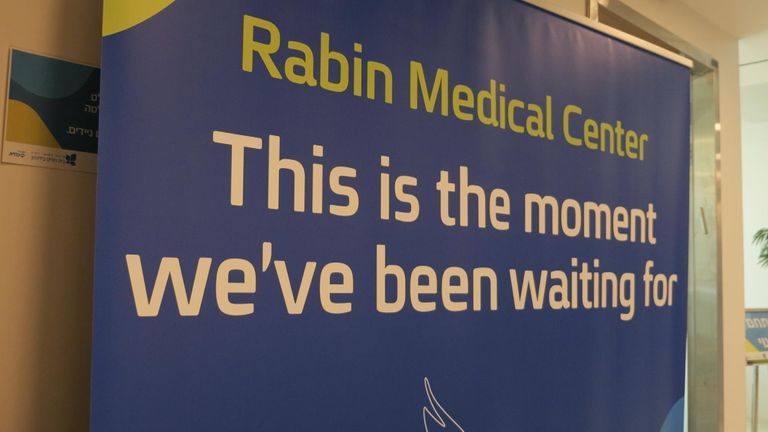
Rabin Medical Center. Pic: Sky News
Sky News reporter gained unique access to one of these teams at the Rabin Medical Center in Petah Tikva, northeast of Tel Aviv. Talking to the doctors and nurses inside what they call the “homecoming unit” felt deeply emotional, yet highly inspiring.
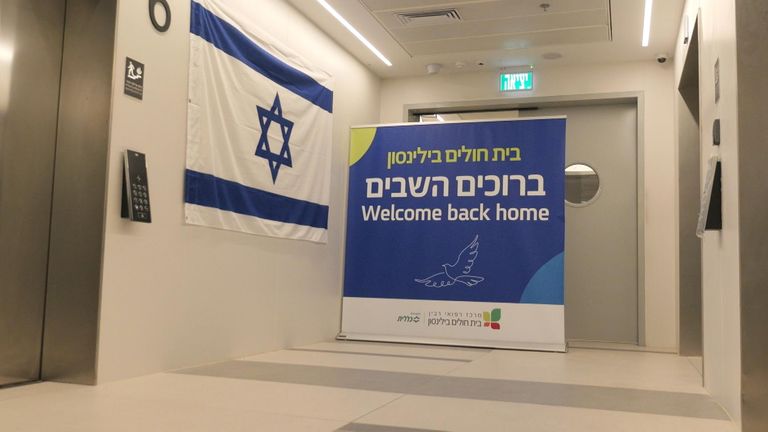
A welcome sign and Israeli flag greet the returning hostages. Pic: Sky News
Director of Nursing Dr. Michal Steinman guided reporters through the bright, airy rooms designed specifically for recovery. She explained that each of the men will receive his own private space to recuperate at a chosen speed and in complete privacy.

AD: Capeesh Restaurant
The rooms aim to feel like quiet, comfortable accommodation, not a harsh medical ward; medical equipment is thoughtfully kept out of sight in dedicated treatment rooms. Each room contains a small gift basket filled with comfort items like slippers, a blanket, and a phone charger.
A teddy bear sits prominently on every bed, ready to greet the returnee. Dr. Steinman shared research showing that everyone possesses an inner child, explaining the need for something soft to pet to reassure the individual after a long time without sensory stimulation.
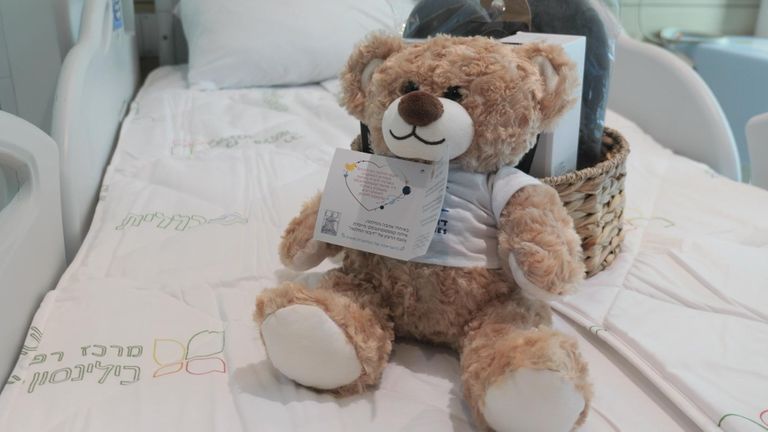
The bear is one of many small touches added to bring the hostages comfort in the coming days. Pic: Sky News
The army will provide phones, allowing the freed captives to slowly reengage with the outside world. Families will also contribute personal items, helping make the room more familiar as the Israeli hostages return. The unit includes private living spaces where families and loved ones can gather with the men.

AD: Oysterian Sea Food Restaurant And Bar
Staff shared moving anecdotes revealing the immense trauma that lies ahead. One previously released captive had trouble waking up; he thought his eyes were open, but he still believed he was trapped in the tunnel.
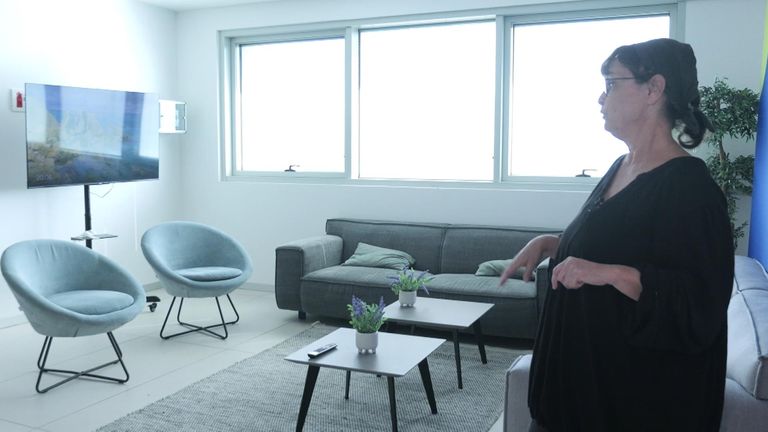
A living space for the men and their families to relax in. Pic: Sky News
Another former captive stood stuck simply staring into an open refrigerator. “I’m just amazed at the colours,” he explained, “All I’ve seen for days is black, white and brown.” Such stories underscore the psychological complexity involved in the Israeli hostages return process. The recovery rooms allow families to stay, providing a critical support system.

One of the areas where family members can wait for their loved ones who have been in captivity to arrive . Pic:Sky News
Professor Noa Eliakim-Raz, the center’s head, and her team are readying for the culmination of two years of painstaking effort. They have effectively pioneered what they term ‘hostage medicine,’ learning from treatment protocols established during this conflict. The recovery involves many different disciplines, maximizing the chances of a successful long-term recovery for the men.
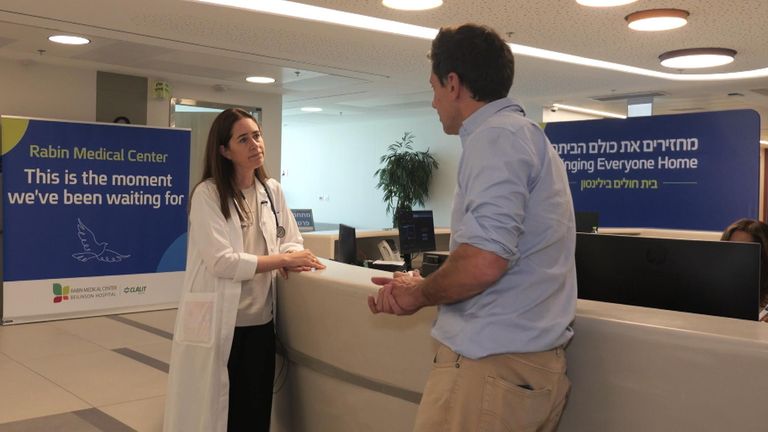
Professor Noa Eliakim-Raz said she has been ready for this moment for a long time. Pic: Sky News
Professor Eliakim-Raz, a serious and highly dedicated clinician, spoke with professional precision about the immense challenges ahead. These challenges include the life-threatening risks of mistreating individuals who have endured severe malnourishment and been held underground for prolonged periods. She detailed the complex medical procedures necessary to safely readapt the body to normal life.
The team prepared the ward meticulously every single day, demonstrating deep commitment to the patient’s well-being. Professor Noa is now writing a first-of-its-kind, multi-disciplinary protocol for treating long-term captives, essentially rewriting the medical textbook on returning them to normality. Her department did not even exist before October th, showcasing its crucial, rapid development during the crisis.
Asked about her personal feelings as the moment for the Israeli hostages return draws near, Professor Noa admitted feeling “very grateful” to be part of the effort. She paused, clearly moved, her eyes welling up when she spoke of being thankful for the “small step of making them feel hugged again and trusting the system.”
The specialized care is focused entirely on the holistic recovery of the former captives. She concluded the team hopes they never have to use their hard-won knowledge on Israelis again. The success of this unit will provide vital lessons for doctors globally regarding the psychological and physical treatment of long-term captivity.

AD: Heritage And Restaurant Lounge Bar


