
By Ben Kerrigan-
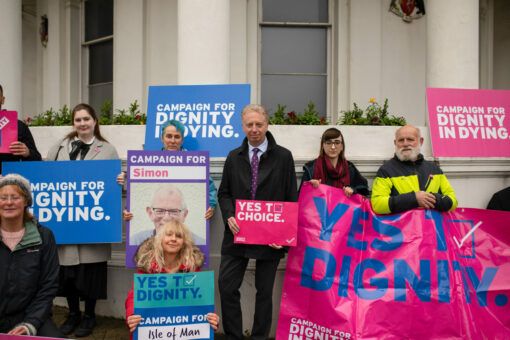
MPs are being urged to attend the House of Commons for a crucial vote on assisted dying, with supporters of the legislation arguing that Parliament has a final opportunity to establish a new legal right for terminally ill adults to choose the circumstances of their death.
The Terminally Ill Adults (End of Life) Bill is due to face a second reading vote in the Commons, in what supporters describe as a potentially decisive moment for the long-running campaign to legalise assisted dying in England and Wales.

AD: Capeesh Restaurant
Advocates of the bill say its passage would represent one of the most significant social reforms of the current Labour era, placing assisted dying alongside previous parliamentary changes involving abortion, divorce, capital punishment, gay rights, racial discrimination, gender equality and civil partnerships.
The legislation has already generated intense political and public debate, with supporters arguing that terminally ill adults should have greater control over the final stage of their lives. Opponents have raised concerns about the protection of vulnerable people and the implications of changing the law, while stressing the need to improve palliative care.
At the heart of the campaign is the argument that existing end-of-life care cannot eliminate suffering for every dying person.

AD: Oysterian Sea Food Restaurant And Bar
A report published by Dignity in Dying, titled The Inescapable Truth, highlights accounts from palliative care professionals describing cases in which terminally ill patients experience severe distress despite receiving medical care. The campaign group argues that some patients can face symptoms and suffering that cannot always be adequately controlled.
The report has intensified the debate over whether improvements to palliative care alone can provide a sufficient response to those facing an unbearable death. Supporters of assisted dying say that while better palliative care remains essential, it cannot guarantee that every terminally ill patient will be free from pain or distress.
The Office of Health Economics has also been cited by campaigners in arguing that thousands of dying people each year experience unrelieved pain, including some receiving palliative care.
For opponents of assisted dying, however, the answer lies in expanding and improving access to high-quality end-of-life care rather than introducing a new legal mechanism for assisted death. That disagreement is likely to remain at the centre of parliamentary scrutiny as MPs consider the legislation.
Supporters argue that people currently facing intolerable suffering should not have to wait for possible improvements to palliative services in the future. They say the law should provide an option for eligible terminally ill adults who conclude that continuing to live has become unbearable. The human stories behind the campaign have also become a powerful part of the debate.
Campaigners have highlighted cases involving people who attempted to take their own lives because they had no medically assisted alternative. A further Dignity in Dying report, Out of the Shadows, examines what the organisation describes as the hidden harm caused when people attempt to end their lives without access to a medically assisted death.
Supporters say some people are forced to consider dangerous or traumatic methods, while others travel abroad to seek assistance. Switzerland, where assisted dying is available under certain circumstances, has become a destination for some Britons, but campaigners argue that travelling there can cost around £15,000 and may require seriously ill people to make the journey before they become too unwell to travel.
The debate is also deeply personal for many supporters.Accounts from families who have witnessed relatives endure severe suffering have been used to illustrate the emotional and practical consequences of the current law. Campaigners argue that some dying people are left fearful that they will lose the ability to control the circumstances of their death before their illness reaches its final stages.
Supporters of reform say that this fear can itself become a source of suffering, particularly for people living with terminal illnesses that progressively affect their ability to communicate, breathe or care for themselves.
The parliamentary battle has already extended beyond the Commons. The legislation encountered significant resistance in the House of Lords, where opponents tabled more than 1,200 amendments during proceedings, according to supporters of the bill.
Campaigners have described the amendments as an attempt to delay or prevent the legislation from progressing, arguing that the parliamentary tactics denied peers an opportunity to vote on the bill as a whole.
They have particularly criticised a small group of peers whom they accuse of using parliamentary procedure to obstruct the legislation. Supporters argue that the episode demonstrates the need for reform of the House of Lords and greater scrutiny of the ability of unelected members to delay legislation backed by elected MPs.
The political significance of the Commons vote is therefore considerable.
The bill has previously secured support from MPs across party lines. Although Labour MPs provided much of the parliamentary backing, members of the Conservative, Liberal Democrat, Reform and Green parties also supported the legislation.
Campaigners have argued that public opinion provides further justification for Parliament to act. They claim that around 75% of the public supports assisted dying and that there is majority support across constituencies in England and Wales.
Those figures, however, form part of a wider and contested public debate in which the precise design of any assisted-dying law remains as important as the principle itself. Questions surrounding eligibility, safeguards, medical involvement, capacity, coercion and protection of vulnerable people are likely to remain central to parliamentary consideration.
The coming Commons vote could therefore become a defining moment in Britain’s long-running assisted-dying debate. The issue is fundamentally about personal autonomy and dignity at the end of life. They argue that a terminally ill adult who is mentally competent and facing intolerable suffering should have the ability, within a carefully regulated legal framework, to make decisions about how their life ends.
Opponents remain concerned that changing the law could create risks for vulnerable people and alter the relationship between patients, doctors and the state. They argue that Parliament must proceed with extreme caution and ensure that any system provides comprehensive safeguards.
The disagreement reflects one of the most difficult questions facing modern medicine and society: whether extending individual choice should include the right to seek medical assistance in ending life when death is approaching.
With the bill returning to the Commons, MPs are now being urged to attend and make their position clear.
The vote for supporters of the legislation represents far more than another stage in a lengthy parliamentary process. They see it as a chance to establish a new legal principle around autonomy at the end of life and to create what they regard as one of the defining social reforms of the current Parliament.
Dissenters consider it a moment requiring careful consideration of the consequences of changing a fundamental principle of the law. Whatever the outcome, the vote is likely to ensure that assisted dying remains one of the most closely watched and emotionally charged issues on the parliamentary agenda, with MPs once again being asked to balance personal freedom, protection of vulnerable people, medical ethics and the responsibilities of the state.

AD: Heritage And Restaurant Lounge Bar