

By Isabelle Wilson-
In a significant move to tackle England’s growing water scarcity and housing crisis, the government has launched a consultation on new building regulations. The proposed changes would mandate the use of specific water-saving features in all new homes. This includes compulsory installation of aerated taps, water-efficient showerheads, and dual-flush toilets. The plans aim to reduce personal water use by 20 litres per day, which could save new homeowners over £100 annually on their energy and water bills.
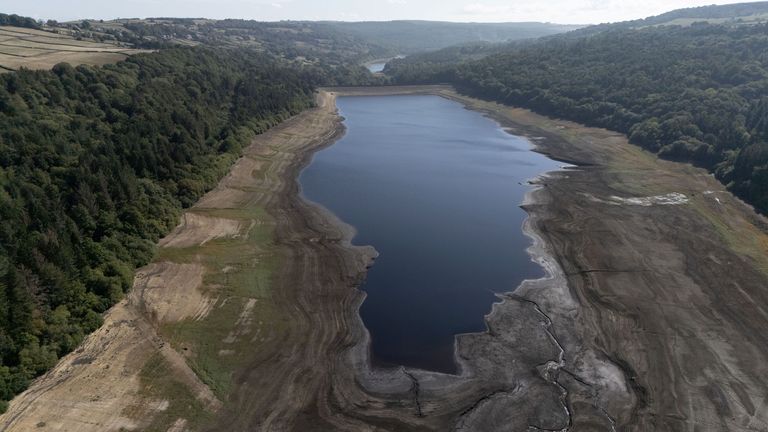
Low water levels at Broomhead reservoir in South Yorkshire on 2 September 2025. Pic: PA
According to the Department for Environment, Food & Rural Affairs (Defra), the new regulations will also help “unblock” thousands of new housing developments. Many projects, especially in water-stressed areas like Sussex and Cambridge, have been stalled due to concerns that local water supplies cannot meet the increased demand. Environment Secretary Emma Reynolds said that by “removing the water shortage barriers,” the government can unlock thousands of new homes. The consultation is also exploring long-term innovations, such as using harvested rainwater for flushing toilets.

AD: Capeesh Restaurant
The Impact of New Homes Water-Saving Rules
The new homes water-saving rules have been widely welcomed by environmental groups and housing developers alike. The Good Homes Alliance and the Future Homes Hub have highlighted that water shortages are a major constraint on housing growth. These organizations argue that making homes more “water smart” is essential for meeting national building targets and ensuring future water security. However, campaigners have urged the government to expand these rules to existing homes. They argue that older properties, which are far less efficient, should also be a priority for retrofitting to achieve meaningful savings.
The government’s new proposals are part of a broader national strategy. Ministers are committed to reducing water usage in England by 20% per person per day by 2038. This is intended to cut the amount of water taken from fragile rivers, lakes, and chalk streams. These new new homes water-saving rules are a key part of that ambitious target. For more details on the proposals, you can view the consultation document on the official government website. The introduction of these new new homes water-saving rules is a direct response to rising climate change pressures and a growing population.

AD: Heritage And Restaurant Lounge Bar


