
By Ben Kerrigan-
In the run-up to the autumn budget, Chancellor Rachel Reeves faces intense pressure to address the UK’s economic challenges. Now, the influential Resolution Foundation has proposed a radical new approach to reform the tax system.
The think tank suggests a “switch” where Reeves cuts employee National Insurance by 2p while simultaneously raising all income tax bands by the same amount. This Reeves tax plan could generate an additional £6bn annually by “levelling the playing field” and spreading the tax burden more evenly.

AD: Capeesh Restaurant
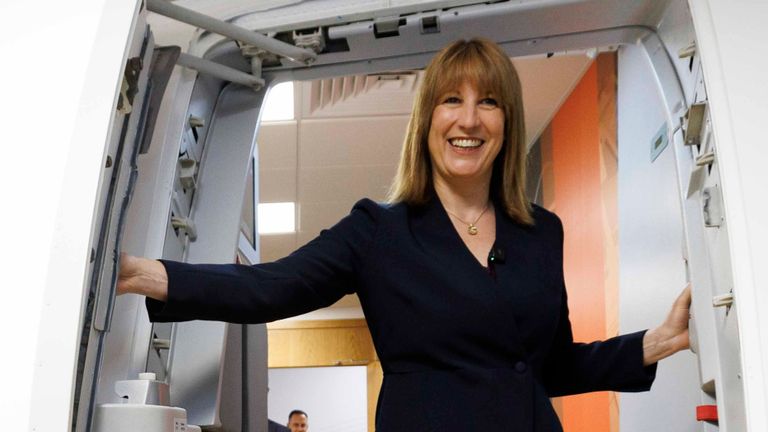
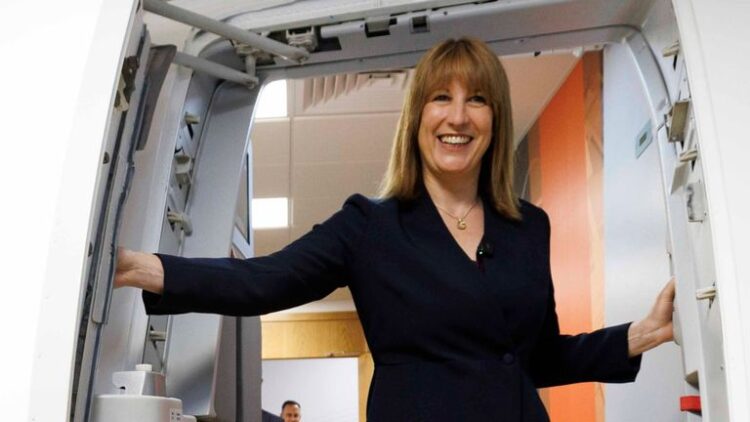
Expecting turbulence? Rachel Reeves checks out a flight simulator at Gatwick on Monday. Pic: PA
The primary rationale behind this proposal is that it protects the pay packets of working-age employees. Income tax, unlike National Insurance, applies to a broader demographic, including pensioners, landlords, and the self-employed. By making this change, the government would be able to raise significant revenue without directly impacting the wages of the majority of the workforce. The plan follows on from similar National Insurance cuts implemented by the previous government, which also sought to reduce what was described as an “unfair double tax on work.”
The Implications of the Reeves Tax Plan
Implementing the Reeves tax plan could help the Chancellor meet her self-imposed fiscal rules, which economists warn could be at risk due to rising borrowing costs and downgraded growth forecasts. However, the policy would challenge Labour’s manifesto promise not to raise income tax.
The Resolution Foundation argues that decisive action is necessary to signal that the UK’s public finances are under control. The think tank has also put forward a wider £30bn package of reforms, including changes to the VAT threshold for small businesses and new carbon charges on flights.

AD: Oysterian Sea Food Restaurant And Bar
Ms. Reeves is expected to announce her official budget decisions on November 26. A Treasury spokesperson said officials “do not comment on speculation around future changes to tax policy.”
This video provides additional context on the proposed budget changes and their potential impact on UK households.

AD: Heritage And Restaurant Lounge Bar


