
By Kenneth Williams-
The debate over who should become the next James Bond has resurfaced with fresh intensity after Sir Idris Elba declared that the iconic spy should not be made “woke” and suggested that many global audiences would not accept a Black male actor portraying 007.
His comments, delivered during a recent interview with British GQ and widely reported across international media, have reopened one of Hollywood’s most enduring discussions: where is the line between preserving a character’s legacy and expanding opportunities for a more diverse generation of actors?

AD: Capeesh Restaurant
More than a decade, Elba’s name was repeatedly linked to the role following the departure of Daniel Craig. Many fans viewed him as the perfect modern Bond, combining charisma, physical presence, sophistication and global appeal.
Elba has now firmly rejected the speculation, saying the rumours were “never legit” and arguing that Bond was written a certain way for a reason. He added that some international markets simply would not embrace a Black or African actor playing the role.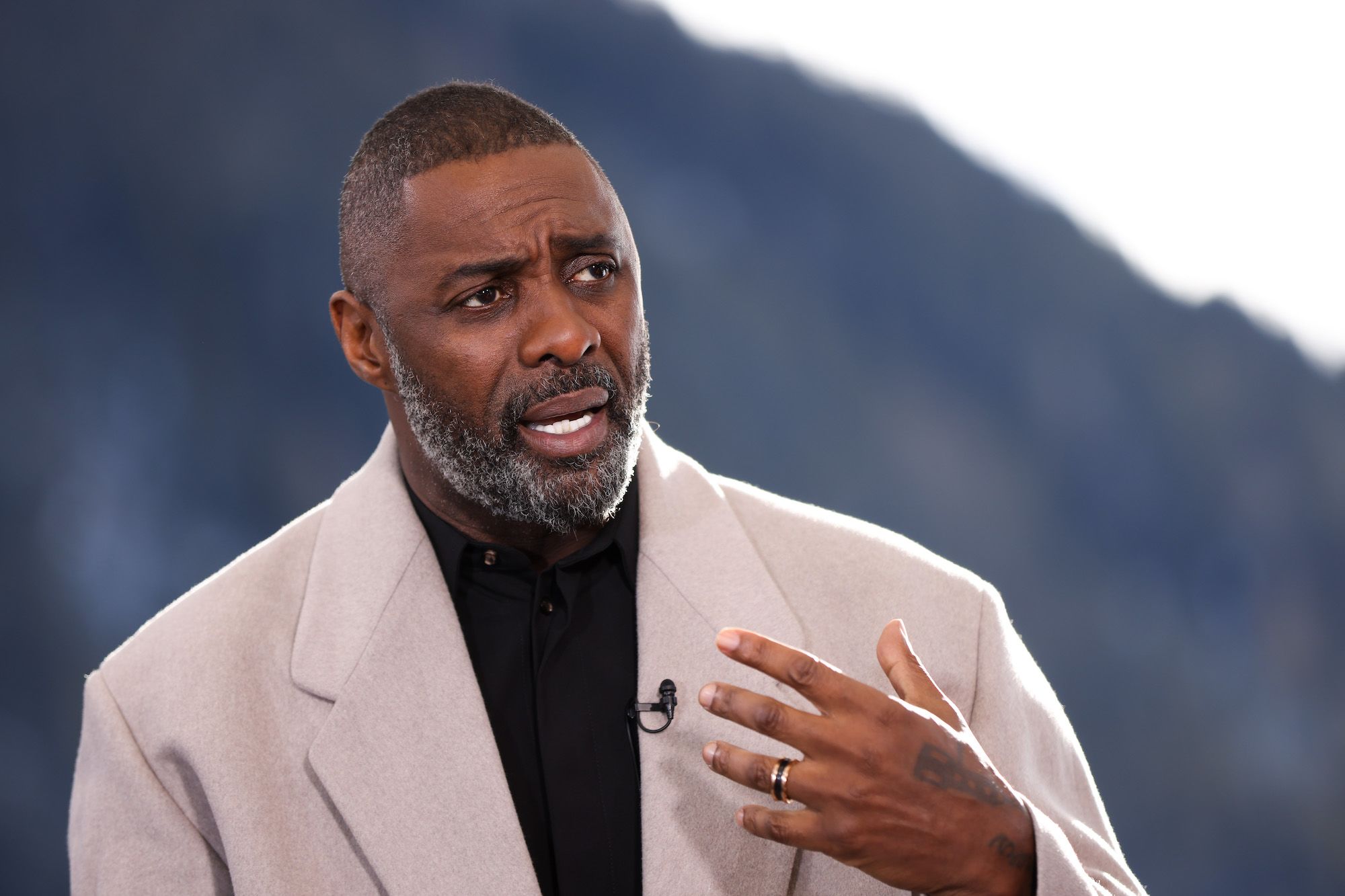
Sir Idris is most recognised for The Wire and Luther, and also features in the new Masters of the Universe movie (Hollie Adams/Bloomberg/Getty Images)
The comments immediately generated fierce reactions across social media and entertainment circles. Some praised Elba for acknowledging the commercial realities of a global franchise worth billions of dollars. Others argued that his remarks risk reinforcing barriers that Black actors have spent decades trying to overcome.
Online discussions reflected the divide, with some fans insisting that Bond’s race is central to the character’s identity while others maintained that talent should be the primary qualification.

AD: Oysterian Sea Food Restaurant And Bar
The controversy arrives at a critical moment for the Bond franchise. Following Amazon MGM’s takeover of creative control, the search for a new 007 is underway, with names such as Callum Turner, Jacob Elordi and Henry Cavill frequently appearing in speculation surrounding the future of the series.
What makes Elba’s comments particularly significant is that they come from the very actor many believed could have shattered one of Hollywood’s most visible casting barriers. Unlike critics who have opposed diverse casting from the outside, Elba’s perspective carries unique weight because he lived through the experience himself.
He was not simply discussing a hypothetical scenario; he was reflecting on years of public speculation, racial discourse and industry scrutiny that followed him wherever he went.
That experience appears to have shaped his view of the issue. In previous interviews, Elba described the racial backlash surrounding the Bond conversation as unpleasant and exhausting. The actor suggested that what initially felt like a compliment eventually became overshadowed by arguments about race rather than acting ability.
The question now is whether his latest remarks inadvertently make it harder for future Black actors to be considered for iconic roles.
Representation, Reality and the Power of Influence
The argument can be viewed from two perspectives. Elba’s fans believe he is simply acknowledging market realities rather than endorsing them. Bond remains one of the world’s most valuable entertainment brands, generating revenue across vastly different cultural markets.
In another perspective, Elba is offering a business assessment rather than a moral judgement. He is not saying a Black actor should not play Bond; he is suggesting that many international audiences may resist such a change.
However, others argue that statements from influential figures can shape perceptions as much as they reflect them. When one of the most successful Black actors in the world suggests that audiences would reject a Black Bond, some fear that executives may interpret the comment as justification for avoiding diverse casting choices altogether.
Hollywood history is filled with examples where assumptions about audience preferences proved incorrect. There were once claims that audiences would not support female-led action films, superhero movies featuring minority leads, or major franchises built around non-traditional protagonists.
Films such as Black Panther and Wonder Woman demonstrated that global audiences often embrace compelling characters regardless of longstanding industry assumptions.
That is why Elba’s comments have resonated so strongly. They touch on a broader debate that extends far beyond Bond. Should opportunities for underrepresented actors be created through reimagining existing characters, or should studios invest in developing entirely new heroes whose identities are built from the ground up?
Many advocates of representation argue that both approaches are necessary. Existing franchises provide visibility and cultural significance that new properties often struggle to achieve. Original characters can avoid the backlash that sometimes accompanies major changes to beloved intellectual properties.
Elba himself occupies a unique position within that discussion. Unlike many celebrities whose influence is largely confined to film and television, he has spent years building credibility across multiple industries. His work spans blockbuster cinema, television drama, music production, philanthropy and social advocacy.
He was recently knighted for his contributions to public life and youth initiatives in Britain, further elevating his status as one of the country’s most recognisable cultural figures.
That influence matters because audiences tend to view Elba as a figure of authenticity. He rarely courts controversy for attention, which means his statements often carry greater weight than those of celebrities known for provocative headlines. When Elba speaks, industry leaders, journalists and fans listen.
Yet influence cuts both ways. His remarks may discourage some aspiring actors who hoped to see one of Hollywood’s biggest franchises embrace a broader vision of its future. Conversely, they may encourage others to focus on creating original characters rather than seeking validation through established roles. Either outcome would reflect the complicated reality of modern representation debates. The irony is that many fans who supported Elba as Bond did so not because he was Black but because they believed he embodied the character’s essential qualities.
Numerous online discussions in recent days have highlighted that distinction, with supporters arguing that Elba’s popularity as a Bond candidate stemmed from his charisma, confidence and acting credentials rather than a desire for symbolic casting.
While the Bond franchise moves closer to announcing its next leading man, Elba’s comments are likely to remain part of the conversation. They have forced Hollywood to confront difficult questions about audience expectations, commercial realities and the evolving definition of representation in blockbuster filmmaking.
Whether one agrees with him or not, Elba has once again demonstrated the extent of his cultural influence. Few actors can generate global headlines simply by declining a role they were never officially offered. Fewer still can spark a debate that stretches from casting offices in Los Angeles to fan forums around the world.
In the end, the controversy may reveal less about James Bond and more about the entertainment industry itself. The future of representation will not be determined by a single casting decision, nor by one actor’s opinion. But when that opinion comes from Idris Elba, the conversation inevitably becomes larger than the role, larger than the franchise and larger than the man himself.

AD: Heritage And Restaurant Lounge Bar