
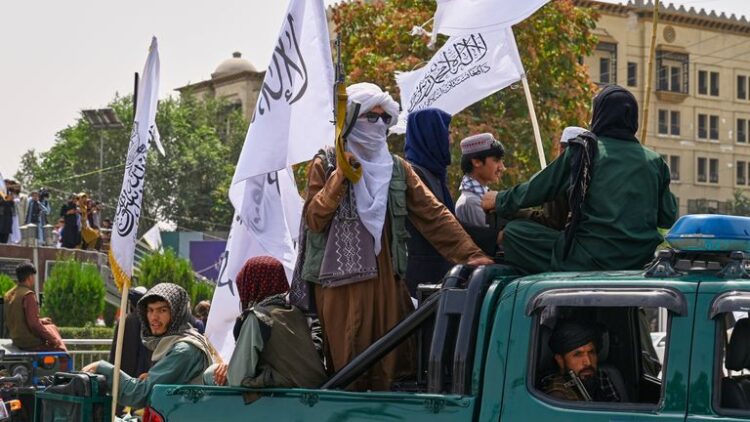
By Charlotte Webster-
The total suspension of fiber-optic and mobile internet access across Afghanistan, effective September 29, 2025, constitutes a dramatic escalation in the Taliban’s control over information.
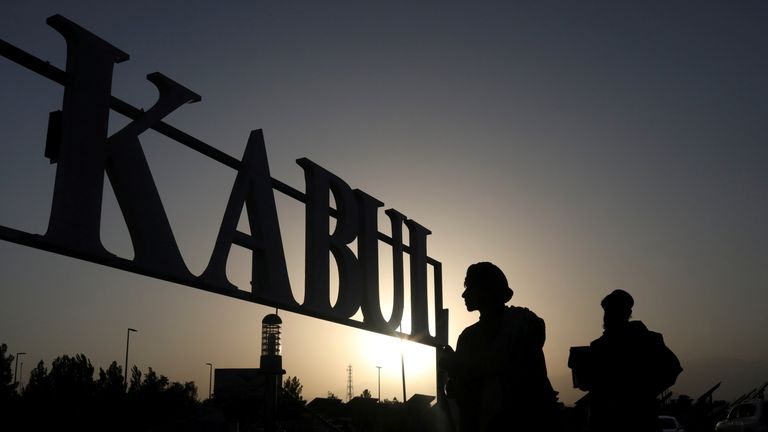
The Taliban caught many in the country off-guard with their shutdown. File pic: West Asia News Agency via Reuters
Officials cited concerns about preventing immorality as the reason for this unprecedented measure, yet the consequences immediately proved catastrophic. The comprehensive Taliban internet blackout instantly froze essential digital infrastructure. International flights were grounded at Kabul Airport because communication systems could not operate, disrupting vital travel and trade links.

AD: Capeesh Restaurant
Furthermore, the banking sector experienced immediate paralysis, halting e-commerce and international money transfers, a lifeline for a population heavily dependent on remittances from abroad.
The implementation of the Taliban internet blackout has also directly threatened the delivery of humanitarian aid, as non-governmental organisations rely on digital connectivity for coordination, supply chain logistics, and emergency outreach.
Amnesty International condemned this move as reckless, highlighting the severe harm it inflicts on access to healthcare and essential services.

AD: Oysterian Sea Food Restaurant And Bar
This nationwide Taliban internet blackout represents a calculated tactic to further isolate citizens and choke off one of the last remaining avenues of resistance and connection to the outside world.
Crucially, the Taliban internet blackout severed communication for women and girls who were secretly accessing education and employment through online platforms after being banned from secondary schools and most public jobs.
A History of Mayhem and Gender Apartheid
The current crisis stems from the Taliban’s re-establishment of the Islamic Emirate of Afghanistan on August 15, 2021, marking a brutal end to the two-decade-long Western-backed republic. Since their inception as a militia in the 1990s, the Taliban have been widely known for their harsh enforcement of an extremist interpretation of Sharia law.
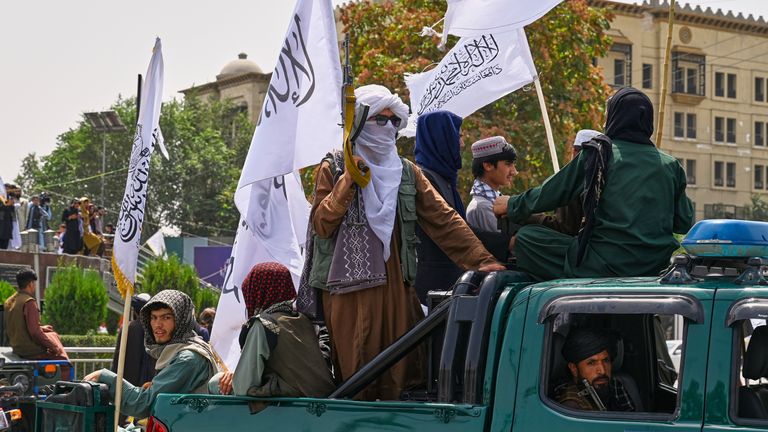
Taliban fighters ride on a pickup truck during celebrations marking the fourth anniversary of the US withdrawal. Pic: AP
Their first rule (1996–2001) was defined by systematic human rights abuses, including massacres, cultural destruction, and the establishment of what human rights bodies describe as “gender apartheid.”
After the 2021 takeover, this repressive pattern immediately intensified. The UN Assistance Mission in Afghanistan (UNAMA) documented hundreds of human rights violations, including extrajudicial killings, enforced disappearances, and torture perpetrated against former government officials and security personnel in the initial years.
The country’s current condition is defined by the regime’s systematic oppression of women and girls, banned from nearly all facets of public and professional life. They are barred from education past the sixth grade and from most employment, confined instead to domestic roles. These restrictions, including the compulsory wearing of the burqa and the requirement of a male chaperone for travel, have been internationally denounced as potential crimes against humanity.
Violence and arbitrary detentions continue to be used to suppress any form of public dissent, reinforcing the regime’s authoritarian grip.
Economic Collapse and the International Community’s Response
The Taliban takeover triggered a catastrophic economic shock from which Afghanistan has not recovered. Before 2021, international assistance financed over 50% of Afghanistan’s public spending.
When the international community abruptly suspended this aid and froze approximately billion in Afghan foreign exchange reserves, the national budget immediately lost 80% of its funding.
Consequently, the country plunged into one of the world’s most severe humanitarian crises. More than half of the population now requires urgent humanitarian assistance, facing acute food insecurity and displacement. The economy suffers from staggering unemployment, exacerbated by the ban on women working, which removes a significant portion of the workforce from the labour market.
The international community uniformly condemns the Taliban regime; however, no country has officially recognised them as the legitimate government. Nations continue to apply diplomatic pressure, but a consensus on action remains elusive.
The global position, as articulated by UN experts, strongly urges nations not to “normalise” the de facto authorities until demonstrably verifiable improvements in human rights are achieved, particularly for women and girls.
International efforts to rescue the country are predominantly limited to humanitarian aid, channelled through UN agencies and NGOs to avoid funding the Taliban directly.
Organisations are also pursuing accountability, with ongoing calls for the International Criminal Court to advance investigations into potential crimes against humanity.

AD: Heritage And Restaurant Lounge Bar


