

By Tony O’Reilly-
Prime Minister Sir Keir Starmer is expected to use his crucial leader’s speech in Liverpool to declare definitively that “a new world is coming” for the National Health Service. This statement introduces a landmark healthcare model, officially named NHS Online, designed to revolutionise how citizens access specialist medical treatment across the country.
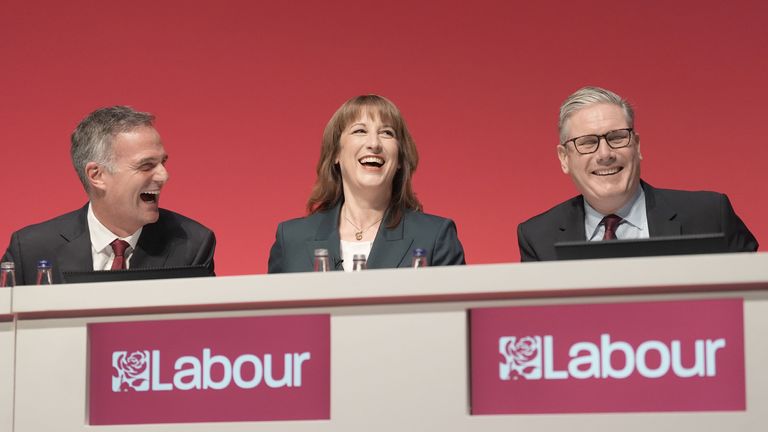
Peter Kyle, Rachel Reeves and Keir Starmer on stage ahead of her keynote speech. Pic: PA
Scheduled for an initial rollout beginning in 2027, the comprehensive scheme aims to deliver the equivalent of a staggering 8.5 million extra appointments and essential clinical assessments within its first three years of operation.

AD: Capeesh Restaurant
The Labour Party asserts this expansive programme will fundamentally broaden patient choice while simultaneously cutting waiting lists for vital medical procedures across England.
Delivering this crucial PM’s NHS conference announcement, Starmer will emphasise that technology can renew the NHS for the modern era, putting patients firmly in control of their care journey.
Accessed conveniently through the existing NHS App, the digital service will enable users to track prescription fulfillment, receive referrals for necessary scans and tests, and gain clinical advice for managing their ongoing health conditions from the comfort of home.

AD: Oysterian Sea Food Restaurant And Bar
Patients always retain the choice between engaging with the new NHS Online service and accessing treatment through their traditional local hospital. Those requiring physical examinations or surgical procedures can use the app to book appointments at nearby surgical hubs or newly established Community Diagnostic Centres.
Experts are broadly welcoming the innovative vision, but they simultaneously caution the new digital service must navigate several significant implementation hurdles before reaching its intended scale. Ensuring that this model does not inadvertently exacerbate the problem of ‘digital exclusion’ for patients lacking internet access or technical literacy remains a paramount concern for healthcare leaders.
Furthermore, the plan’s long-term success fundamentally depends on securing new funding streams and successfully addressing chronic workforce capacity shortages within both primary and secondary care. Therefore, detailed operational plans, especially concerning staffing and data security, must accompany the ambitious vision presented in the PM’s NHS conference announcement.
Health Secretary Wes Streeting previously told the media that early trials of similar digital triage systems in some NHS trusts allowed patients to receive assessments within two days, significantly faster than traditional waiting times.
He believes the new scheme will initially focus intensely on a small selection of high-priority treatments currently burdened by the longest waiting times, progressively expanding the service over a period of years.
This commitment reflects the government’s determination that the health service must match the digital convenience found in other modern sectors. Previous attempts by the government to reform healthcare structures were outlined during an earlier address Starmer revealing plan to cut NHS waiting times in major speech.
This video from Sky News provides background context on the Prime Minister’s ongoing efforts and announcements related to reducing NHS waiting times.

AD: Heritage And Restaurant Lounge Bar


