

By Aaron Miller-
A stunning display of drug availability unfolds openly on the streets of Medellín, Colombia, the former heartland of the infamous Pablo Escobar.

Medellin was the home of Pablo Escobar and drugs are widely traded on its streets. Pic: Sky News
Reporters recently drove through an infamous district, immediately encountering a frenetic, 24-hour open-air market dedicated to narcotics.

AD: Capeesh Restaurant
Dealers were shouting out their products, including cocaine, pills, ecstasy, and ‘Tusi’ (pink cocaine), to a literal traffic jam of vehicles.
This shocking scene confirms the continued prevalence of Drug Sales in Escobar City.
Motorcycle couriers and private buyers on foot queue in the middle of this busy commercial area, illustrating the rampant demand.

AD: Oysterian Sea Food Restaurant And Bar
Motorcycle delivery drivers collected large orders for wealthy clients waiting in high-end apartments and late-night clubs across the city.
The chaotic, noisy environment operates with a simple warning system; lookouts use whistles—two toots mean ‘all clear,’ and a single toot signals the police are nearby.
The brazen reality of these Drug Sales in Escobar City occurs right alongside dimly lit restaurants and cafes, where families continue to eat dinner.
The city’s complex relationship with its criminal past and current illicit economy is undeniable.
The ease of Drug Sales in Escobar City reflects a significant surge in Colombia’s overall cocaine production, driven by unflagging international demand, particularly from the United States.
Coca cultivation in Colombia, the world’s leading producer, reached a record 253,000 hectares in 2023, according to a report by the United Nations Office on Drugs and Crime (UNODC).

It is not illegal to grow coca, only to use it to produce cocaine. Pic: Sky News
The total potential pure cocaine output soared to an estimated 2,664 metric tons.
This enormous supply chain begins in remote, vulnerable rural territories where farmers rely on coca as their only viable cash crop.
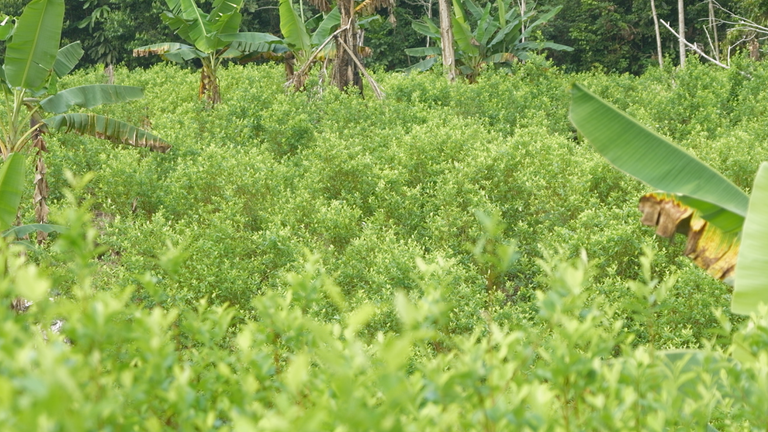
This coca plantation was hacked into the rainforest on the border of Colombia and Peru. Pic: Sky News
Coca farmers, struggling with poverty and a lack of state investment, continue producing to meet the high demand.
For many, the coca leaf offers a more stable income than any legal crop alternative, especially considering the lack of proper roads and infrastructure to transport produce.
The government’s attempts at crop substitution programs have faced significant hurdles, often failing to provide sustainable legal livelihoods for these communities.
Meanwhile, US policy, focusing on forced eradication and a ‘drug war’ mentality, draws criticism for inadvertently worsening violence in rural areas and pressuring farmers rather than providing development aid.
Medellín cannot fully shake its association with drug cartels and the ‘narco’ culture established by figures like Escobar.
Pictures of the late drug lord remain visible everywhere—on posters, t-shirts, and caps—and guided tours to his grave remain a thriving, grim tourist attraction.
This persistent glorification further embeds the history of the cartel in the city’s contemporary identity.
The sheer scale of drug trading witnessed on the city’s streets underscores how far Colombia still has to go in dismantling its powerful illicit economies.
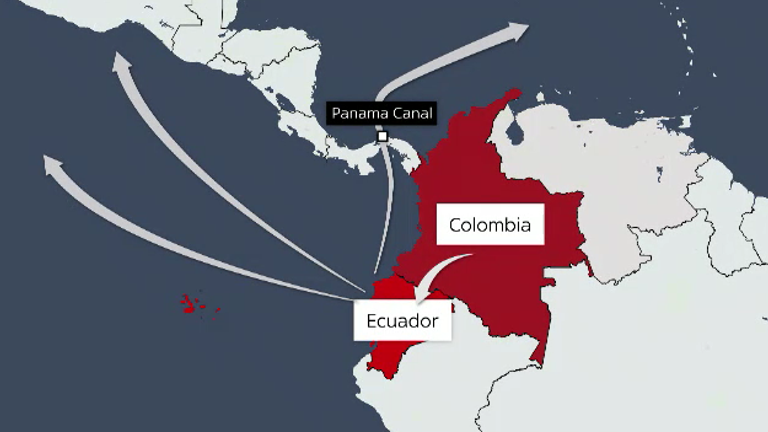
Colombia is one of the biggest producers of cocaine. Pic: Sky News
The rise in cocaine production, despite decades of efforts to combat it, highlights a failure to address the underlying socio-economic issues.
Moving forward, a balanced approach combining robust law enforcement with comprehensive rural development and crop substitution programs offers the only sustainable path to creating a safer, more stable future.

AD: Heritage And Restaurant Lounge Bar


