
By Ben Kerrigan-
Chancellor Rachel Reeves refused to definitively rule out increasing key taxes, effectively laying the groundwork for potentially abandoning a cornerstone manifesto promise ahead of this month’s critical budget. Reeves made the pivotal comments following an unusual pre-budget speech delivered from Downing Street, where she detailed the significant international and domestic headwinds currently facing the government.

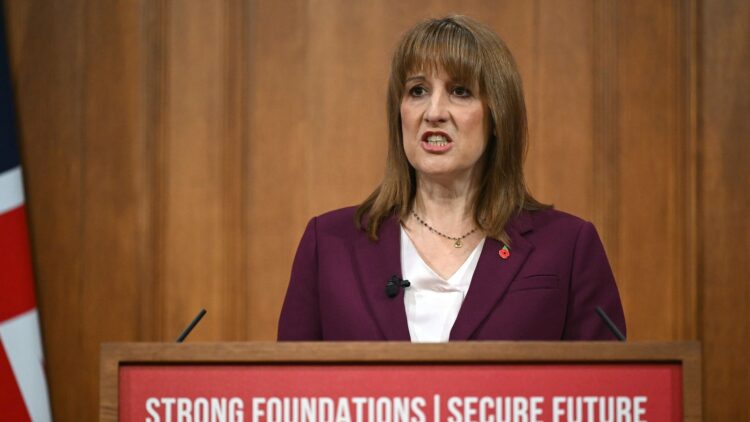
Chancellor Rachel Reeves delivered a highly unusual pre-budget speech from Downing Street. Pic: PA
Political Editor Beth Rigby directly challenged the Chancellor, asking if she stands by her specific promises not to raise National Insurance, income tax, or Value Added Tax (VAT). She declined to offer that guarantee, instead pivoting to describe the harsh economic realities she must confront as Chancellor.

AD: Capeesh Restaurant
Speaking to Sky News, Reeves explained the immense pressure by stating, “Your viewers can see the challenges that we face, the challenges that are of a global nature.” Furthermore, she pointed specifically to the long-term, structural performance deficiencies of the UK economy, which limit the government’s fiscal options. She emphasized the practicalities of her position, clarifying, “As chancellor, I have to face the world as it is, not the world as I want it to be.”
Reeves argued that when new challenges emerge, the primary question becomes how the government must respond to them, not whether they can be ignored. She stated her three main priorities for the upcoming budget on 26 November include reducing NHS waiting lists, bringing down the cost of living, and, crucially, reducing the national debt. Her carefully chosen language strongly suggests that a Manifesto Tax Hike Refusal remains a distinct possibility if she determines tax rises are necessary to meet these urgent fiscal goals. The refusal to adhere strictly to the manifesto pledge sets the stage for what could become the largest political and economic controversy of her tenure.
The Chancellor’s highly unusual pre-budget address in Downing Street served to manage public expectations by setting out the scale of the “challenges” and preparing the electorate for tough choices. Her comments to Beth Rigby followed this speech, where she reinforced the message that “each of us must do our bit for the security of our country and the brightness of its future.” This language provided a clear hint that the government may require financial contributions from citizens to address the severe national fiscal challenges. The original manifesto commitment was explicit and unambiguous: Labour promised they “will not increase taxes on working people,” specifically ruling out raising National Insurance, VAT, or the basic, higher, or additional rates of income tax. Consequently, any alteration to these taxes would constitute a significant reversal of a core electoral promise, guaranteeing substantial political fallout.

AD: Oysterian Sea Food Restaurant And Bar
Reeves pointed to several external factors that have dramatically worsened the UK’s economic outlook since the last budget, which she had promised was a “once in a parliament event.” She cited the continually looming threat of tariffs from the United States, describing these as potentially destabilizing. Moreover, she highlighted that inflation has been “too slow to come down,” creating persistent strain on household finances.
Volatile supply chains continue to cause higher prices for consumers and businesses, further complicating the economic picture. Most importantly, the high cost of government borrowing significantly impacts the country’s ability to fund essential services. Reeves blamed previous Conservative governments for what she termed “years of economic mismanagement,” claiming they severely “limited our country’s potential.” She accused past administrations of routinely prioritizing “political convenience” over “economic imperative,” attempting to frame any necessary tax increases as consequences of prior failures. This defense aims to deflect blame for the potential Manifesto Tax Hike Refusal by pointing toward persistent inherited structural problems. The Chancellor needs to convince voters that the exceptional global circumstances necessitate this deviation from the promised plan.
Reeves painted a grim picture of Britain’s economic health, detailing the consequences of long years of post-financial crisis austerity, compounded by subsequent “instability and indecision.” She also pointedly mentioned the resulting consequences of what she labelled “a rushed and ill-conceived Brexit.” She insisted the purpose was not to re-litigate old choices but to be honest with the public “about the consequences that those choices have had.”
Despite this devastation narrative, the Chancellor defended her personal record, noting that investment in the UK is rising, interest rates have fallen, and NHS waiting lists are beginning to drop. She pointed out that Britain’s growth was the fastest in the G7 during the first half of this year. She quickly tempered this positive news, however, stating, “I don’t expect anyone to be satisfied with growth of 1%. I am not, and I know that there is more to do.”
Amid this sobering backdrop, the Chancellor’s three budget priorities—reducing the national debt, protecting the NHS, and improving the cost of living—will shape her decision on the Manifesto Tax Hike Refusal. Cutting inflation remains a key aim for her announcements later this month, which she hopes will “creating the conditions that [see] interest rate cuts to support economic growth.” She strongly rejected calls from some Labour members of parliament to relax her “ironclad” fiscal rules.
Reeves reiterated that the national debt, which currently stands at £2.6 trillion or 94% of GDP, must come down. Reducing the debt is essential to lower the cost of government borrowing, thereby freeing up public money currently spent on interest payments for investment in “the public services essential to both a decent society and a strong economy.” She also clearly indicated that cuts to welfare remain on the government’s agenda, despite their embarrassing U-turn earlier this year on cuts to personal independence payments. She argued, “There is nothing progressive about refusing to reform a system that is leaving one in eight young people out of education or employment.”
The Shadow Chancellor, Sir Mel Stride, immediately attacked Reeves’ pre-budget speech, claiming “all she’s done is confirm the fears of households and businesses – that tax rises are coming.” Stride directly accused Reeves of hypocrisy, writing that if she truly fixed the public finances last year, “she would not be rolling the pitch for more tax rises and broken promises.” He argued that she has “fiddled the fiscal rules so she could borrow hundreds of billions more.”
Stride concluded his sharp rebuke by stating that “this is about choices – and she made all the wrong ones.” He insisted Reeves lacks the “backbone to get control of government spending” and specifically called for her resignation if she proceeds with a tax hike, underscoring the severity of the expected political backlash.
on tax sends a chilling message to voters and the financial markets: the Manifesto Tax Hike Refusal is now a serious possibility being considered at the highest level of government.
The pressure on the Chancellor to find credible, non-tax-raising alternatives is immense, especially given the £47 billion in spending cuts proposed by her political opponents. Understanding the government’s official position on debt management is crucial. The Office for Budget Responsibility provides detailed forecasts on the public finances and fiscal rules that bind the Chancellor’s decision-making. The final budget announcement will reveal whether the Chancellor opts for the politically dangerous Manifesto Tax Hike Refusal or attempts a different, less damaging path to fiscal stability.

AD: Heritage And Restaurant Lounge Bar


