

By Sheila McKenzie-
President Donald Trump on Thursday signed a decisive executive order, officially declaring that a proposed agreement to sell TikTok’s US operations would effectively address national security concerns.
The signing ceremony in the Oval Office marked a pivotal step in the long-running effort to separate the immensely popular video app from its Chinese parent company, ByteDance. This Trump TikTok Order temporarily delays the enforcement of a law that would have otherwise led to a nationwide ban, allowing the sale to proceed.

AD: Capeesh Restaurant
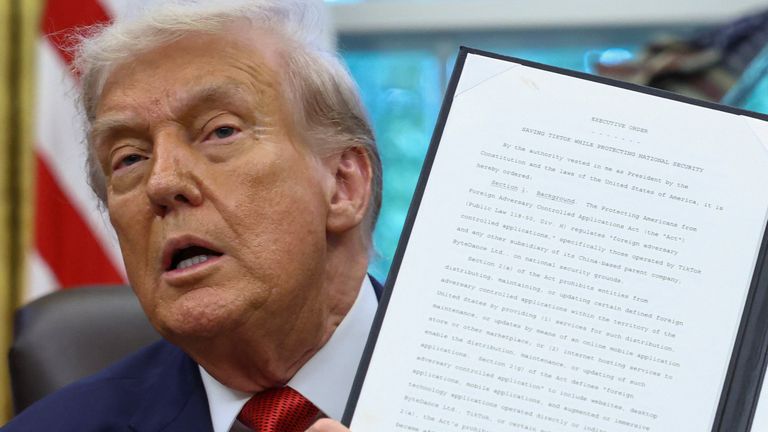
Donald Trump says China’s leader Xi Jinpin has approved the order. (Pic: Reuters)
The Details of the Trump TikTok Order and US Control
This Trump TikTok Order facilitates the transfer of a majority stake in the US operations to a consortium of American investors. While the final details are still being arranged, the new US joint venture will be approximately 80% owned and controlled by US-based entities. ByteDance is expected to retain a minority equity stake of less than 20%, a stipulation necessary to comply with the previous divest-or-ban legislation.
Tech giant Oracle and investment firm Silver Lake are leading the investor group. Oracle, in particular, will play a significant role, as it will oversee TikTok’s US security operations and provide cloud services for American user data storage. Vice President JD Vance stated the agreement values the new US entity at an estimated $14 billion.
The TikTok entity in the U.S. is to be controlled by a consortium of American investors, including Michael Dell, Rupert Murdoch, Larry Ellison, and global investors, including Abu Dhabi-based MGX.

AD: Oysterian Sea Food Restaurant And Bar
Under the order, TikTok’s Chinese parent company, ByteDance, has until January 20, 2026, to complete the divestiture. This makes it the fourth time President Donald Trump has extended the deadline to avoid a nationwide ban on the app.
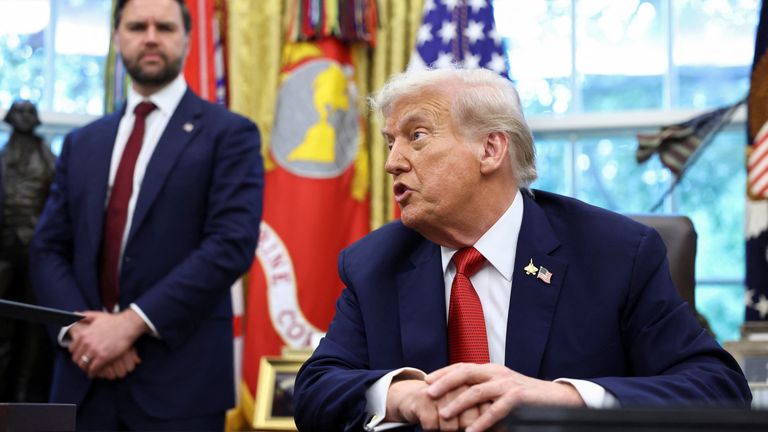
Vice president JD Vance (left), and Donald Trump spoke of the order in the White House today. (Pic: Reuters)
Furthermore, the new US board of directors, comprising seven members, will have six Americans, with the Chinese parent company being specifically excluded from all security-related matters. This structure is designed to enhance oversight and ensure that sensitive information is handled by individuals with a clear understanding of the US regulatory landscape.
Algorithm Control and Geopolitical Implications
A key element of the new arrangement is the control of TikTok’s recommendation algorithm—the crucial technology that drives its content feed. The Trump TikTok Order framework mandates that a licensed copy of ByteDance’s algorithm will be “retrained” solely using US user data, with American investors having control over the system. Administration officials assert this technical move will eliminate the risk of Chinese governmental interference or influence over the content seen by American users.
The President confirmed he had a productive conversation with Chinese President Xi Jinping, who reportedly “gave us the go-ahead” to finalise the agreement. While critics, including certain Republican lawmakers, desire greater assurance of a complete break from China, the Trump administration argues the deal is the best path forward.
President Trump said he believes the young people of the nation “really wanted this to happen,” ensuring the app remains operational while also protecting national data security. The full text of the executive order can be viewed on the White House website for further details here.
The agreement is seen as a significant step in addressing concerns about data privacy and national security while also fostering economic ties. Supporters of the deal argue that maintaining the app’s operation could lead to job retention and economic stability, particularly for those who rely on it for communication and business.
As negotiations progress, all eyes will be on how effectively the administration can balance these interests while ensuring compliance with U.S. regulations and safeguarding citizens’ information. The outcome of this agreement may set a precedent for future dealings with technology companies connected to foreign entities.

AD: Heritage And Restaurant Lounge Bar


