

By Ben Kerrigan-
A historic and deeply emotional surge of humanity unfolded today as tens of thousands of displaced people initiated the arduous journey north, signalling that Palestinians’ return to northern Gaza is now underway.
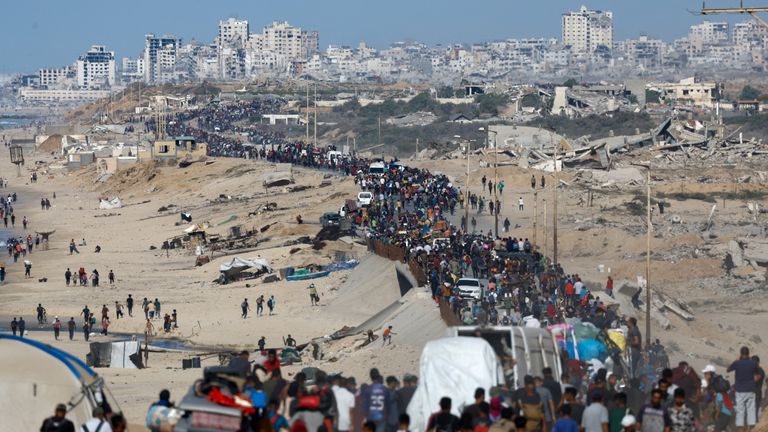
Thousands of Gazans are heading north as Israeli troops pull back, Pic: Sky News
Families who fled the intense fighting in earlier phases of the conflict carried what few belongings they still possessed, moving along the coastal road toward the ravaged areas of Gaza City and beyond. This mass movement is the most visible sign yet that the recently ratified peace agreement is having immediate effects on the civilian population. Consequently, the scenes along the route are fraught with both tentative joy and overwhelming anxiety about what awaits them in the destroyed neighbourhoods. Many citizens are desperate to ascertain the status of their homes and properties after months of intense military operations.

AD: Capeesh Restaurant

Displaced Palestinians walk past destroyed buildings in Gaza City. Pic: AP
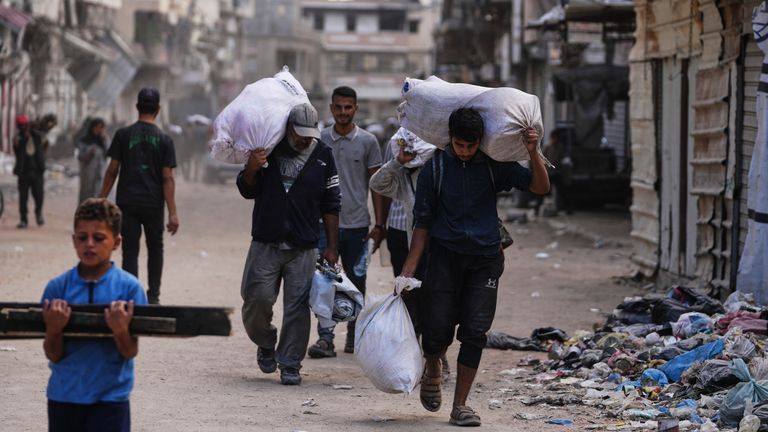
Displaced Palestinians return to their homes in Khan Younis, southern Gaza. Pic: AP
This desire to see Palestinians return to northern Gaza places immense pressure on aid agencies, which must now quickly scale up operations in areas largely cut off from supplies for months. The infrastructure in the north remains severely compromised, lacking reliable water, electricity, and medical facilities.
The immense scale of the destruction means that numerous homes are now uninhabitable, complicating the resettlement process for thousands. The emotional toll of this relocation cannot be overstated; many are returning to rubble and dust, not the neighbourhoods they left behind.
The delicate status of the ongoing ceasefire agreement also tempers the celebration, meaning the decision for Palestinians return to northern Gaza is a calculated risk. Leaders across the region recognise that the success of the peace plan will ultimately be judged by how safely and securely the displaced population can be reintegrated.

AD: Oysterian Sea Food Restaurant And Bar
United States President Donald Trump was quick to champion the peace deal, which facilitated this major civilian movement, stating that the agreement is “great for everyone.” Speaking publicly, the President hailed the first phase of the plan as a significant diplomatic victory, noting the imminent release of hostages and the cessation of hostilities. This positive political framing comes as a necessary backdrop for the complex security logistics of the humanitarian operation now ensuring Palestinians return to northern Gaza.
The reality on the ground, however, is far from straightforward, as relief workers highlight the immense challenges faced by the returning groups. For example, clearing unexploded ordnance and ensuring safe passage through checkpoints requires constant coordination between military forces and humanitarian agencies.
In a recent address to Congress, President Trump emphasised that the deal’s structure was designed to establish a lasting peace that addresses the core security concerns of all parties. His administration views this initial ceasefire and hostage exchange as a crucial prerequisite for moving into the more complex negotiations regarding long-term governance and disarmament. This rapid implementation of the civilian return adds both momentum and vulnerability to the deal’s future.
Should the ceasefire hold, the flow of aid—promised to increase significantly under the agreement—must match the overwhelming needs of the thousands who have chosen the brave move for Palestinians’ return to northern Gaza. This humanitarian crisis highlights the importance of maintaining a political commitment to peace.

AD: Heritage And Restaurant Lounge Bar


