
By Aaron Miller-
More than 17,000 residents across Southern California were under evacuation orders Tuesday as a rapidly spreading wildfire pushed toward suburban neighborhoods northwest of Los Angeles, reigniting fears of another devastating fire season in a state already battered by years of destructive blazes.
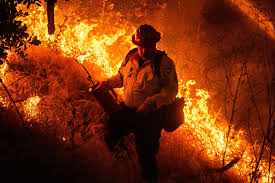
The wind-driven Sandy Fire erupted Monday morning in the hills above Simi Valley, sending towering plumes of smoke into the sky and forcing families to flee homes with little notice as flames advanced through dry brushland. Fire officials said the blaze had already destroyed at least one home and scorched more than two square miles by Tuesday morning, while containment remained at zero percent.

AD: Capeesh Restaurant
Authorities issued mandatory evacuation orders and warnings affecting more than 17,000 people in Ventura County communities, including several neighbourhoods in and around Simi Valley, a city of roughly 125,000 residents located about 30 miles northwest of downtown Los Angeles. Emergency shelters were opened for evacuees and livestock as firefighters battled shifting winds and dangerous terrain.
The fire broke out during a stretch of hot, dry weather that officials warned had created ideal wildfire conditions across Southern California. Gusts topping 30 miles per hour fuelled the flames Monday, carrying embers toward residential areas and forcing firefighting aircraft to make repeated water and retardant drops over hillsides near homes.
In Tuesday morning, calmer overnight winds had allowed crews to make some progress protecting structures, though officials warned conditions could deteriorate again later in the day.

AD: Oysterian Sea Food Restaurant And Bar
“We’ve made a lot of progress against this fire with those improved weather conditions,” Ventura County Fire Department spokesperson Andrew Dowd told reporters Tuesday as firefighters continued battling the Sandy Fire near Simi Valley.
Despite calmer winds helping crews slow the blaze, officials warned that the wildfire remained dangerous and unpredictable as evacuation orders affecting more than 17,000 residents stayed in place. Firefighters worked overnight to protect homes while authorities urged residents to remain alert for rapidly changing conditions.
Television footage and aerial images showed helicopters circling smoke-filled hills while flames crept dangerously close to homes and roads. Residents described hurried evacuations as sheriff’s deputies moved through neighborhoods warning families to leave immediately.
Some homeowners attempted to hose down roofs and yards before departing, while others loaded pets, personal belongings and family photographs into vehicles amid thick smoke and ash-filled skies. The Ronald Reagan Presidential Library and Museum, perched on a nearby hillside overlooking Simi Valley, temporarily closed because of the fire threat. School officials also announced closures throughout parts of the Simi Valley Unified School District due to hazardous air quality and evacuation concerns.
California fire officials said more than 200 firefighters had been deployed to battle the blaze, supported by air tankers, bulldozers and hand crews working through steep canyons and brush-covered ridges. Authorities emphasised that protecting lives and homes remained the top priority.
The cause of the fire remains under investigation. The Sandy Fire is only the latest wildfire emergency to strike California, where increasingly intense fire seasons have become a year-round threat linked to prolonged drought, rising temperatures and stronger wind events.
Residents in Southern California remain particularly sensitive to wildfire danger following catastrophic fires in recent years that destroyed entire neighborhoods, displaced hundreds of thousands of people and caused billions of dollars in damage.
The January 2025 Southern California wildfires alone killed at least 31 people and destroyed more than 18,000 homes and structures, according to state records and disaster assessments.
Firefighters Battle Multiple Blazes Across Region
While crews fought to contain the Sandy Fire near Simi Valley, another major wildfire continued burning off the Southern California coast on Santa Rosa Island, complicating firefighting efforts statewide.
That blaze, which expanded to more than 23 square miles, forced the evacuation of National Park Service employees and destroyed at least one cabin and an equipment shed within Channel Islands National Park.
Santa Rosa Island is home to fragile ecosystems and wildlife species found nowhere else, including island foxes, spotted skunks and elephant seals. Officials said the fire threatened sensitive habitats and historic structures while strong winds hampered containment operations.
Investigators are examining whether the island fire may have been accidentally sparked by distress flares launched by a stranded sailor after a boating accident near the coastline. Authorities have not yet confirmed an official cause.
The simultaneous fires have stretched firefighting resources and highlighted growing concerns over California’s expanding wildfire risks. Experts warn that climate change, extended dry seasons and persistent vegetation buildup are contributing to more aggressive and harder-to-control fires across the western United States.
According to the California Department of Forestry and Fire Protection, or CAL FIRE, evacuation orders represent an immediate threat to life and require residents to leave without delay. Officials urged Southern California residents to monitor alerts closely as wind conditions could rapidly change fire behaviour.
Meteorologists warned Tuesday that low humidity and returning winds later this week could create renewed fire danger throughout Ventura and Los Angeles counties. Fire officials said crews were racing to strengthen containment lines before weather conditions worsen.
Residents who remained under evacuation warnings were advised to prepare for immediate departure if conditions changed. Authorities also warned drivers to avoid evacuation zones to keep roads open for emergency vehicles and fleeing residents.
Scenes unfolding in Simi Valley carried painful reminders of previous disasters that devastated communities across the state. The Palisades Fire in early 2025 destroyed thousands of structures and became one of the most destructive fires in Los Angeles history.
Wildfire experts say suburban expansion into fire-prone hillsides has increased the risks facing communities throughout Southern California. Dense vegetation, steep terrain and seasonal Santa Ana winds create conditions where small brushfires can quickly become life-threatening emergencies. Insurance costs have also surged across fire-prone regions, with many homeowners struggling to maintain coverage or facing nonrenewal notices from insurers concerned about mounting wildfire losses.
Emergency officials urged residents to maintain evacuation plans, prepare emergency kits and remain alert during California’s increasingly volatile fire seasons.
Despite improved firefighting technology and expanded early warning systems, authorities acknowledge that rapid-moving wildfires can still overwhelm communities within hours. Smoke drifted across Ventura County Tuesday and helicopters continued making water drops over burning hillsides, evacuees waited anxiously for updates on whether their homes had survived.
Many spent the night in evacuation centers, hotels or with relatives, uncertain when they would be allowed to return. Local officials praised firefighters for preventing broader destruction but cautioned that the threat remained far from over.
Crews hoped cooler overnight conditions and lighter winds would allow them to gain control of the Sandy Fire before another round of gusty weather arrives later this week. But with containment still at zero percent Tuesday afternoon, authorities warned residents not to underestimate the danger.
“We’re not out of the woods yet,” one emergency official said during a briefing as smoke blanketed parts of Simi Valley. Thousands of Southern California families remain displaced, watching closely as firefighters battle to stop another major wildfire from becoming the region’s next catastrophe.

AD: Heritage And Restaurant Lounge Bar