

By Isabelle Wilson-
Kim Kardashian, the global reality television personality and highly successful entrepreneur, has publicly disclosed her startling medical condition: a Kim Kardashian Aneurysm Diagnosis. Footage from the latest season of her popular Hulu show, The Kardashians, showed the 45-year-old star undergoing detailed magnetic resonance imaging (MRI) scans.

Kim Kardashian. Pic: Reuters
She appears to attribute the discovery of her small, unruptured brain aneurysm to the immense pressure and stress of her exceptionally high-profile lifestyle. This revelation immediately brings a serious and often silent medical issue into the global spotlight. Brain aneurysms, which fundamentally represent dangerous bulges or ballooning in the walls of blood vessels, are surprisingly common in the general population.

AD: Capeesh Restaurant
Data suggests these formations affect approximately one in every 50 people, indicating widespread prevalence. In many instances, individuals remain completely unaware they harbor this potential health threat, as unruptured aneurysms typically present few, if any, noticeable symptoms.
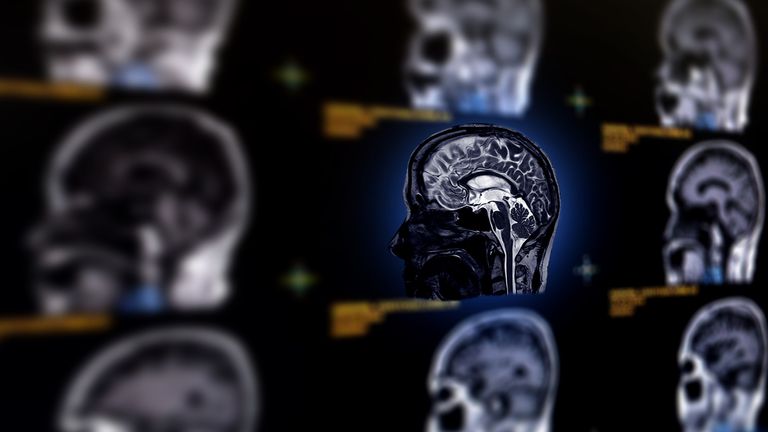
Brain aneurysms are common but often go undiagnosed. iStock file pic
However, a significant concern remains for those who are diagnosed: if an unruptured aneurysm expands substantially, it can cause debilitating neurological symptoms. These symptoms may include severe, localized headaches, difficulties with balance and coordination, or complex speech problems. The public revelation of the diagnosis has consequently heightened health awareness globally, given Kardashian’s enormous social media platform. The intense contrast between her glamorous, public existence and this private, high-stakes medical finding is particularly stark. Importantly, this diagnosis focuses public attention on the efficacy of preventative screening and the need for greater health literacy surrounding vascular brain conditions. Experts urge anyone with known risk factors to consult their physician.
Medical experts worldwide emphasize the importance of rigorous monitoring and early detection, especially in light of the high-profile Kim Kardashian Aneurysm Diagnosis. While aneurysms can potentially develop throughout the body, including in the aorta, the most critical and life-threatening formations typically occur in the brain’s delicate vascular network.

AD: Oysterian Sea Food Restaurant And Bar
Research data suggests that brain aneurysms are most commonly identified in adults between the ages of 30 and 60. Importantly, women are statistically disproportionately affected by the condition, a reality that underscores the urgent need for greater gender-specific research into risk factors and screening protocols. High blood pressure, consistent cigarette smoking, chronic inflammation, and a family history of aneurysms are the most well-described and modifiable risk factors, according to Associate Professor of Neurology Dr. Laura Stein, speaking to Sky’s US partner NBC News.
Dr. Stein pointed out that the vast majority of fatal ruptured aneurysms originate in the head. Consequently, when a blood vessel in the brain begins to bleed, there is a much higher risk of immediate, catastrophic complications because the brain is enclosed within the rigid, fixed space of the skull. Tragically, ruptured cerebral aneurysms are extremely dangerous events, proving fatal in about one-third of all patients who experience them.
This sobering statistic undeniably validates the seriousness of the Kim Kardashian Aneurysm Diagnosis and the subsequent need for immediate, rigorous medical surveillance. The global attention focused on the Kim Kardashian Aneurysm Diagnosis offers a crucial opportunity to promote vital public health screening conversations, especially among women and individuals with identified risk factors.
For low-risk, unruptured aneurysms like the one identified in the Kim Kardashian Aneurysm Diagnosis, doctors generally prioritize watchful monitoring rather than immediate invasive treatment. This surveillance often involves a protocol of regular, advanced imaging scans, like the ones shown on the reality program, to check for any growth or significant abnormalities in the vessel wall.
Current potential treatment options for aneurysms deemed high-risk or dangerous include surgical clipping, where a surgeon isolates the aneurysm with a metal clip, or minimally invasive endovascular coiling, where platinum coils are inserted to block blood flow to the bulge. The optimal approach depends entirely on the aneurysm’s size, exact location, and complex shape. The utilization of advanced imaging technology, such as the high-resolution MRI scan Kardashian underwent, represents the effective foreseeable future of diagnostic medicine for these conditions.
Modern MRI and CT angiography scans now offer non-invasive ways to map the brain’s vasculature with exceptional detail, allowing doctors to confirm a Kim Kardashian Aneurysm Diagnosis earlier than ever before. This diagnostic effectiveness is critical for saving lives, especially since early detection allows for preventive action before a vessel rupture occurs. Moreover, increased public awareness surrounding the Kim Kardashian Aneurysm Diagnosis will inevitably prompt more individuals in high-risk groups to proactively seek potentially life-saving screenings.
Early diagnosis fundamentally transforms a potentially fatal, time-sensitive emergency into a manageable chronic condition through careful medical oversight. Health organizations continue to advocate for greater public understanding of brain health and the preventative measures necessary to mitigate stroke and aneurysm risks. Consult the Brain Aneurysm Foundation for resources and patient information. The effectiveness of modern imaging ensures that, for many, an aneurysm diagnosis is the beginning of careful management, not a catastrophe.

AD: Heritage And Restaurant Lounge Bar
![The 37-year-old teacher says she wants to 'stop it [MS] before it has a chance to stop me'. Pic: Sky News](https://theeyeofmedia.com/wp-content/uploads/2025/10/skynews-ms-moore-multiple-sclerosis_7059455-65x65.jpg)


