
By Ben Kerrigan-
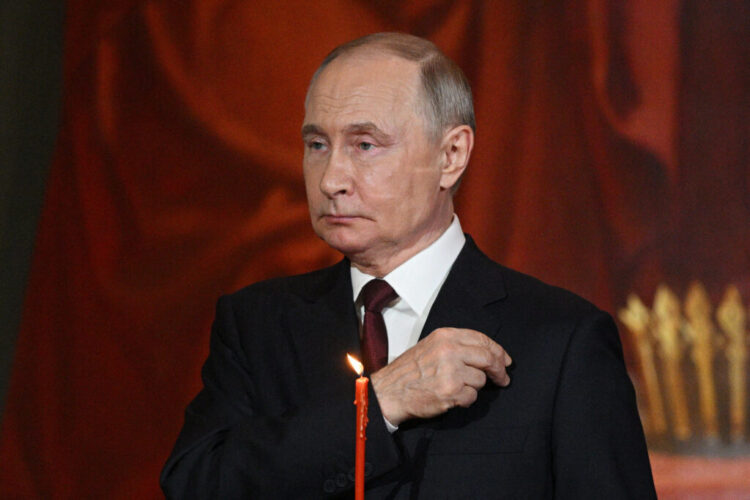
In a surprise announcement that could briefly dim the roar of war, Russian President Vladimir Putin has declared a 32‑hour ceasefire in the conflict with Ukraine to coincide with Orthodox Easter celebrations.
The Kremlin said the temporary halt in hostilities will begin at 4 p.m. Moscow time on April 11 and continue until the end of April 12, prompting cautious responses in Kyiv and skepticism among Western capitals about whether quiet will hold on the battlefield.

AD: Capeesh Restaurant
The ceasefire declaration comes after Ukrainian President Volodymyr Zelenskyy renewed calls earlier this week for a pause in fighting over the holiday, including proposals to temporarily halt attacks on critical infrastructure. Zelenskyy said he had communicated the offer through the United States, which has been mediating negotiations between Kyiv and Moscow.
This latest Easter ceasefire gesture is framed by the Kremlin as a reciprocal nod to shared cultural and religious observance in both Russia and Ukraine.
Orthodox Easter, one of the most significant feasts in the Eastern Christian calendar, falls on April 12 this year and historically resonates deeply with millions of believers in both countries, even as they find themselves embroiled in what has become the deadliest conflict in Europe since the Second World War.

AD: Oysterian Sea Food Restaurant And Bar
Yet past attempts at holiday truces have offered only fleeting relief. Last year, Putin similarly declared a temporary ceasefire over Easter a move that was marred by mutual accusations of violations and little actual reduction in hostilities on the ground.
Ukrainian officials said Russian forces continued offensive operations despite the ceremonial halt, reinforcing doubts about Moscow’s commitment to meaningful pauses in the war.
The Kremlin’s announcement directs Russia’s military to cease combat operations during the specified window, but stress remains palpable. Russian commanders are instructed to stay on high alert for “provocations or aggression,” even as guns are meant to fall silent, underscoring how conditioned both sides are to persistent mistrust.
In Kyiv, Zelenskyy’s office has yet to formally respond to the Russian declaration, even as Ukraine had already signaled its readiness to reciprocate with its own truce proposal. Ukrainian officials have consistently pressed for an unconditional cessation of fire that extends beyond symbolic breaks, insisting that such pauses be verifiable and accompanied by safeguards to protect civilians and infrastructure.
Diplomats and analysts in Europe and North America greeted Putin’s announcement with a mix of guarded optimism and realism. Many officials applauded the idea of a humanitarian pause that could allow families to attend religious services or reconnect with loved ones, but they also emphasised that real peace will require sustained negotiation and concrete steps toward de‑escalation not just isolated goodwill gestures.
Western capitals have urged Moscow to make holiday ceasefires the first step toward a more enduring peace framework. However, there is deep awareness that unilateral pauses fall short of the full reciprocal ceasefires that Ukraine and its allies have repeatedly sought, which would demand coordinated monitoring and enforceable conditions.
Complicating perceptions of the current announcement are conflicting statements from within the Kremlin itself. Earlier reports quoted Russian officials indicating that no definitive decision had been made on an Easter truce, suggesting internal uncertainties or deliberate ambiguity about how the pause would be communicated and implemented.
The timing of the decree also occurs against a backdrop of ongoing violence across Ukraine’s eastern and southern regions, where missile and drone strikes have continued to claim lives in recent days. These offensive operations underscore the grim reality that, beyond specific pauses, the broader conflict remains entrenched and volatile.
The ceasefire announcement may offer only a momentary respite if even that. Wh||ile others, the cessation of hostilities could bring a rare opportunity to tend to essential needs, visit local churches, or simply breathe without the shockwaves of artillery echoing through their towns.
Either way, community leaders and humanitarian groups are preparing for what they hope will be a pause in bloodshed, while also bracing for the possibility that fighting could resume with little notice once the holiday period ends.
Scepticism about the durability and sincerity of holiday‑driven ceasefires is widespread, shaped by years of broken promises and sporadic truces that offered limited relief. Critics argue that short‑lived pauses benefit the side better equipped to exploit shifting battle rhythms, allowing forces to regroup or reposition without addressing the core causes of conflict.
In Kyiv, officials have underlined that Ukraine’s participation in any truce will depend on clear, verifiable terms. President Zelenskyy has previously noted that a genuine ceasefire must be more than a symbolic gesture it must be part of a broader, enforceable framework that moves toward ending the war.
International mediators have echoed these sentiments, stressing the importance of converting temporary pauses into sustained diplomatic engagement. “A ceasefire is a step toward peace, not peace itself,” one European envoy remarked, highlighting the work yet to be done if Easter prayers are to translate into lasting calm.
The coming hours will test whether this Easter ceasefire can offer more than a brief lull in violence and whether holiday observances can open a window to deeper reconciliation or merely serve as another chapter in a war that has reshaped the lives of millions.
Parents, who have long shielded their children from the sounds of artillery and missile strikes, may dare to step outside, light candles in local churches, or gather around modest meals in a rare moment of tranquility. With these communities, even a temporary cessation of hostilities offers a fragile opportunity to reclaim a semblance of normal life, however fleeting.
Humanitarian organizstions have already begun preparing for a surge in relief activities, hoping the temporary pause will allow safe corridors for food, medical aid, and evacuation of the wounded or displaced. Yet, the memories of prior “symbolic” ceasefires linger heavily.
Last year’s Easter truce, for instance, was marred by violations that left civilians questioning the sincerity of Moscow’s commitments. Analysts warn that without enforceable mechanisms to ensure compliance, these short-lived pauses risk being exploited strategically rather than fostering genuine humanitarian relief. The Easter ceasefire carries symbolic weight in a broader geopolitical context. Religious observances, historically a time for reflection and reconciliation, now intersect with the harsh realities of modern warfare.
Not only for adherence to the truce but for any gestures that could signal a shift toward dialogue, even amid an entrenched and bitter conflict that has altered the geopolitical landscape of Eastern Europe. The hope is that, for once, faith and diplomacy might intersect to create a pause that is not just measured in hours, but in lasting human impact.

AD: Heritage And Restaurant Lounge Bar