Rare “Subsequent Quake Advisory” Issued After Japan Earthquake
0
Likes
Comments
By Tony O’Reilly-
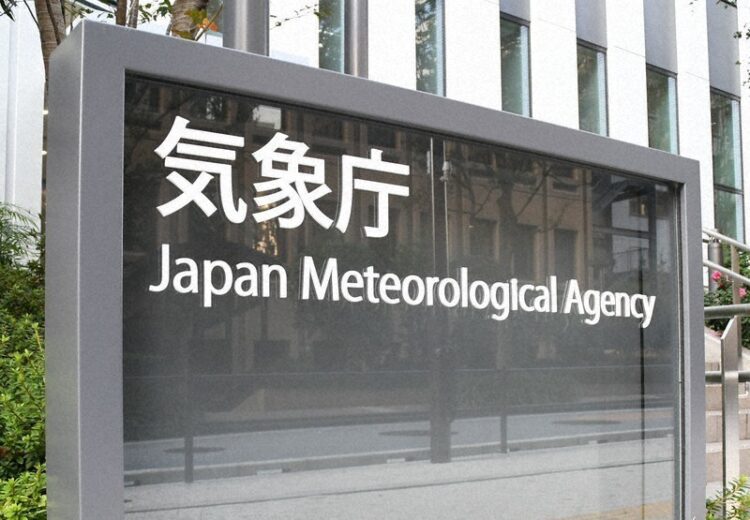
TOKYO — The powerful magnitude 7.7 earthquake struck off the northeastern coast of Japan on Monday, has prompted a rare and urgent warning from the Japan Meteorological Agency (JMA) regarding a heightened risk of an even larger “megaquake” in the coming week.
The earthquake occurred at 4:53 p.m. local time, centered approximately 100 kilometres off the coast of at a depth of about 20 kilometres. The tremor was felt as far away as Tokyo, where skyscrapers swayed for several minutes. In the prefectures of Aomori, Iwate, and Miyagi, the quake registered a lower 5 on the Japanese seismic intensity scale, a level strong enough to make walking difficult and cause unreinforced walls to collapse.
Immediately following the jolt, the JMA issued tsunami warnings for waves up to 3 metres (10 feet). Sirens blared across coastal towns such as Ofunato and Hachinohe, as local authorities ordered tens of thousands of residents to evacuate to higher ground. Public broadcaster NHK showed footage of ships sailing out of Hachinohe port to avoid being trapped by incoming swells.
As of Monday evening, the largest tsunami waves detected were approximately 80 centimetres (2.6 feet) at Kuji port in Iwate. By 7:00 p.m., the JMA had downgraded the tsunami warnings to advisories, though residents were strictly cautioned to remain away from coastal and riverside areas.
In a significant development,Prime Minister Sanae Takaichi, held a joint news conference on Monday evening to issue a “Subsequent Earthquake Advisory” for 182 municipalities stretching from Hokkaido to Chiba Prefecture.
Officials stated that while the probability of a magnitude 8.0 or larger quake within the next week is still low at 1%, this represents a tenfold increase over the normal baseline risk of 0.1%.
The Nuclear Regulation Authority confirmed that no abnormalities were detected at the Fukushima Daiichi and Daini plants, or at idled facilities in Aomori and Miyagi.
The earthquake caused significant travel disruptions. Shinkansen (bullet train) services, including the Tohoku, Yamagata, and Akita lines, were temporarily suspended. While some lines between Tokyo and Hachinohe resumed later Monday evening, many routes remained delayed or partially suspended.
AD: Heritage And Restaurant Lounge Bar
Approximately 100 households in Iwate Prefecture were reported to be without power shortly after the quake.
Prime Minister Sanae Takaichi, speaking from a newly established emergency task force, urged citizens to remain calm but vigilant. “The government will do its utmost to ensure safety, but we ask every resident to reconfirm their designated shelters immediately,” she said.
The region remains haunted by the memory of the March 2011 disaster, and many residents in Hokkaido and Iwate were seen stocking up on water and emergency supplies as they prepared for a tense week ahead.