
By Kenneth WIlliams-
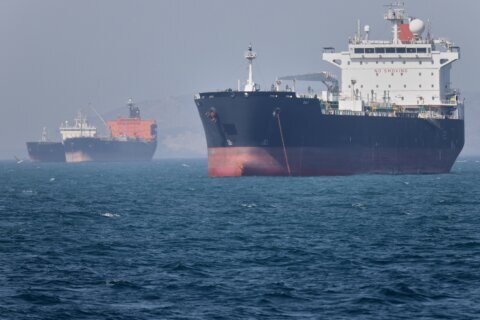
Venezuela has warned of what it describes as a “serious” environmental threat after an alleged oil spill in neighboring Trinidad and Tobago spread into shared waters near the Gulf of Paria, escalating tensions between the two energy-producing nations and renewing concerns about environmental oversight in the southern Caribbean.
In a strongly worded statement released over the weekend, Venezuela’s Foreign Ministry said preliminary technical assessments showed significant ecological risks along the coastlines of the eastern Venezuelan states of Sucre and Delta Amacuro. Authorities in Caracas claimed the spill threatened mangroves, wetlands, marine wildlife, and fishing communities dependent on the region’s fragile ecosystem.

AD: Capeesh Restaurant
The Venezuelan government demanded detailed information from Trinidad and Tobago regarding the source of the spill, containment measures already undertaken, and any mitigation plans aimed at limiting long-term damage.
Officials also called for reparations under international environmental law, arguing that affected communities and ecosystems could suffer lasting consequences if the contamination spreads further.
However, Trinidad and Tobago has disputed the scale of the incident. Authorities in Port of Spain said the spill amounted to roughly 10 barrels of oil and had been contained on the same day it was detected, May 1.

AD: Oysterian Sea Food Restaurant And Bar
Officials acknowledged there had initially been concern that hydrocarbons could drift across maritime boundaries into Venezuelan waters, but maintained that rapid containment operations prevented a broader disaster.
The dispute has quickly evolved into a regional environmental and diplomatic issue because the Gulf of Paria is jointly shared by the two countries under a maritime delimitation treaty signed in the 1990s. The agreement established rules governing hydrocarbon exploration and obligations related to pollution risks in the maritime frontier zone.
Environmental groups and regional observers have pointed out that previous spill incidents in the area demonstrated how quickly contaminants can move between the coastlines of both countries.
The Gulf of Paria occupies a strategically sensitive location between northeastern Venezuela and the island of Trinidad. It is one of the Caribbean’s most important energy corridors, supporting offshore oil and gas operations, fisheries, and shipping routes. The area also contains extensive mangrove forests and marine habitats considered essential for biodiversity and local livelihoods.
Environmental experts warn that even relatively small spills can have disproportionately large ecological effects in enclosed marine environments such as the gulf.
Environmental Risks and Regional Concerns
Venezuelan officials said technical evaluations identified “severe risks” to wetlands, coastal ecosystems, and hydrobiological resources used for food production and fishing. Although Caracas did not disclose the estimated volume of oil involved or specify exactly when the spill was first detected, the government argued that the incident already posed dangers to vulnerable species and ecologically sensitive zones.
Environmental campaigners across the Caribbean have long warned that the Gulf of Paria remains highly vulnerable to oil-related accidents due to the concentration of aging infrastructure, offshore drilling activity, and tanker traffic in the region. Analysts noted that the latest dispute revives memories of earlier incidents involving petroleum leaks that affected coastlines on both sides of the maritime border.
One of the most prominent scares occurred in 2020, when concerns mounted over the deteriorating condition of the Venezuelan floating storage vessel FSO Nabarima, which carried approximately 1.3 million barrels of crude oil while anchored in the Gulf of Paria.
Environmental organisations and regional governments feared the tanker could trigger a catastrophic spill capable of devastating marine ecosystems and fisheries throughout the Caribbean basin.
In another significant incident, a refinery spill in Trinidad in 2017 reportedly spread across the Gulf of Paria and impacted portions of Venezuela’s coastline near Güiria. International Tanker Owners Pollution Federation records indicate that oil contamination crossed marine boundaries, demonstrating how environmental emergencies in one jurisdiction can rapidly become regional crises.
The latest allegations have also renewed scrutiny of environmental preparedness and transparency in the Caribbean energy sector. Critics argue that governments in the region often disclose spills only after public pressure intensifies, limiting opportunities for swift international coordination.
Some environmental advocates have called for stronger regional emergency response mechanisms and improved public access to spill data, particularly in ecologically sensitive waters shared by multiple nations.Fishing communities are expected to face some of the most immediate consequences if contamination spreads further. Coastal residents in eastern Venezuela rely heavily on fishing and marine resources for employment and food security.
Environmental damage to mangroves and wetlands could also weaken natural coastal defences against erosion and storms, adding longer-term risks for already vulnerable populations.
Diplomatic Strains Amid Energy Dependence
The oil spill dispute emerges at a delicate moment in relations between Venezuela and Trinidad and Tobago, whose ties have become increasingly strained in recent years over energy cooperation, regional security, and U.S. policy toward Caracas.
Despite political tensions, the two countries remain deeply interconnected through the energy sector. Trinidad and Tobago is among the Caribbean’s leading producers of oil and natural gas, while Venezuela possesses some of the world’s largest proven crude reserves.
Both nations have pursued offshore gas development projects in shared maritime zones, seeing cross-border energy cooperation as economically strategic.
However, diplomatic friction has intensified amid shifting geopolitical dynamics in the region. In late 2025, Venezuela accused Trinidad and Tobago of cooperating with U.S. actions targeting Venezuelan oil shipments and military surveillance operations.
Caracas responded by threatening to halt aspects of bilateral energy cooperation, highlighting how environmental disputes can quickly become entangled with broader political disagreements.
The current spill controversy could complicate future negotiations over offshore gas projects and maritime energy development. Analysts say environmental incidents carry particular political sensitivity because both governments depend heavily on hydrocarbon industries while simultaneously facing increasing pressure to strengthen environmental protections.
With Trinidad and Tobago, the dispute also raises concerns about international perception of the country’s offshore energy sector. The government has worked to present itself as a stable and responsible energy producer capable of attracting international investment.
Repeated environmental controversies, however, risk undermining that image, particularly as global scrutiny of fossil fuel operations intensifies.
Meanwhile, Venezuela’s response reflects broader efforts by Caracas to portray itself as defending national sovereignty and environmental security amid ongoing economic and political crises. The Maduro government has frequently framed regional disputes through the language of international law and anti-colonial resistance, especially in matters involving energy resources and maritime boundaries.
Regional observers say the next steps will likely depend on whether independent environmental assessments confirm the scale of contamination alleged by Venezuela. Satellite monitoring, water sampling, and coordinated investigations may become necessary to establish the extent of ecological damage and determine whether compensation claims could emerge under international maritime and environmental law.
While both governments continue to trade sharply different accounts of the incident, communities surrounding the Gulf of Paria remain anxious about the environmental and economic consequences that may still unfold in the coming weeks.

AD: Heritage And Restaurant Lounge Bar