
By Kenneth Williams-
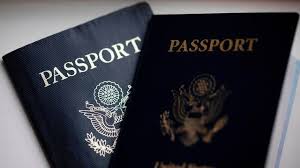
The U.S. State Department will begin revoking the passports of thousands of Americans who owe large amounts of unpaid child support, marking a significant escalation in the federal government’s enforcement efforts against delinquent parents. The policy, which officials say will take effect immediately, is expected to affect thousands of passport holders in its initial phase and potentially many more as the program expands nationwide.
According to officials familiar with the plan, the State Department will initially target individuals who owe $100,000 or more in overdue child support payments. Federal data provided by the Department of Health and Human Services indicates that roughly 2,700 Americans currently fall into that category. Officials say revocations are expected to begin as early as Friday.

AD: Capeesh Restaurant
The move represents a major shift in how the federal government applies a little-enforced 1996 law that allows passport denial or revocation for individuals with significant child-support arrears. Until now, the penalty was primarily used against people applying for new passports or renewals.
Under the expanded enforcement policy, authorities will proactively identify current passport holders with qualifying debts and revoke their travel documents even if they are not seeking renewal.
Officials argue that the change is designed to pressure parents into meeting financial obligations to their children. The State Department said the initiative has already prompted some parents to resolve outstanding debts after early reports of the expanded policy surfaced earlier this year.

AD: Oysterian Sea Food Restaurant And Bar
The program is also expected to broaden considerably in the coming months. Federal law permits passport penalties for parents owing more than $2,500 in unpaid child support, a threshold that officials say has historically been underused due to administrative and data-sharing limitations between state agencies and the federal government. Once the expansion is fully implemented, the number of affected passport holders could rise dramatically into the tens of thousands.
Expanded enforcement signals tougher federal approach
The decision reflects a broader effort by federal agencies to strengthen child-support enforcement tools amid longstanding concerns about unpaid obligations nationwide. Federal officials estimate that unpaid child-support arrears across the United States amount to tens of billions of dollars, even as state agencies collect billions annually through enforcement programs.
Authorities have long struggled to recover overdue payments from parents who move across state lines, frequently change employment, or otherwise evade collection systems.
Under the revised policy, the Department of Health and Human Services will certify delinquent parents to the State Department once arrears exceed the legal threshold. The State Department can then revoke existing passports or refuse to issue new ones until the debt is resolved.
Officials insist the program is intended as a compliance mechanism rather than a punitive measure. Assistant Secretary of State for Consular Affairs Mora Namdar described the initiative as a “commonsense practice” designed to compel payment while giving parents a clear path to restore passport privileges once debts are paid or repayment arrangements are reached with state agencies.
Federal officials also point to previous results from the passport restriction system as evidence of its effectiveness. Since the policy began operating in the late 1990s, states have reportedly collected hundreds of millions of dollars in overdue child-support payments from parents seeking to avoid travel restrictions.
The State Department says the enforcement mechanism has generated more than $657 million in recovered arrears since 1998, including over $156 million in lump-sum payments during the last five years alone.
The practical consequences for affected individuals could be severe, particularly for Americans who travel internationally for business or family reasons. Once revoked, passports become invalid for international travel, and holders may be unable to board flights or cross borders using those documents.
Officials said Americans already abroad when their passports are revoked will not be stranded permanently but may face substantial travel complications.
In such cases, affected individuals would need to contact a U.S. embassy or consulate to obtain a limited emergency travel document allowing them to return to the United States. Full passport privileges would only be restored after child-support debts are settled or cleared through the appropriate state authorities.
The policy has already generated debate among legal advocates and family-law experts. Supporters argue that stronger enforcement is necessary to ensure children receive court-ordered financial support and that travel privileges should not take precedence over parental responsibilities.
However, question whether broad passport revocations could create unintended economic consequences, particularly for parents whose employment depends on international travel.
Some legal analysts also note that while federal law clearly authorises passport restrictions for unpaid child support, enforcement historically varied widely between administrations and states.
The current expansion represents one of the most aggressive federal applications of the statute since it was enacted nearly three decades ago as part of the Personal Responsibility and Work Opportunity Reconciliation Act of 1996.
Advocates for custodial parents welcomed the tougher approach, arguing that child-support enforcement systems often fail families who rely on regular payments for housing, healthcare, and education expenses. Several family-support organisations said the threat of passport revocation could serve as a powerful incentive for delinquent parents to address long-ignored debts.
Family-law attorneys cautioned that some cases involve disputes over payment calculations, outdated records, or financial hardship rather than outright refusal to pay. They urged affected parents to verify their status with state child-support agencies before attempting international travel.
The policy’s expansion also arrives during a period of heightened political attention on government enforcement powers and personal financial accountability. Federal agencies have increasingly turned toward administrative penalties including license suspensions, wage garnishment, and tax refund interception to recover unpaid obligations ranging from taxes to student loans and child support.
Unlike criminal penalties, passport revocation operates through civil enforcement mechanisms, meaning affected individuals are not charged with crimes solely because of overdue payments. However, the travel restrictions can create immediate pressure, particularly for high-income earners, business travelers, or individuals living part-time abroad.
Officials say notices will be sent to affected passport holders informing them of revocation decisions and explaining the steps required to regain eligibility. The State Department also emphasized that the policy includes due-process protections allowing individuals to contest errors or resolve disputes through state child-support agencies before travel privileges are permanently restored.
The broader implications of the policy remain uncertain, especially once enforcement expands to the lower $2,500 threshold. That level could encompass vastly larger numbers of Americans, dramatically increasing the scope of federal passport enforcement tied to domestic financial obligations.
The administration argues the message is straightforward: parents who fail to meet court-ordered child-support responsibilities risk losing one of the most valuable privileges of American citizenship the ability to travel freely with a U.S. passport.

AD: Heritage And Restaurant Lounge Bar