

Ryanair executives recently announced a significant reduction in their winter flight schedules, removing approximately destined for routes connecting the UK and Spain. This drastic operational decision follows persistent disputes with Spanish air traffic control over staffing levels and efficiency delays affecting numerous flights across the continent.
The budget airline confirmed the latest move represents the second major adjustment to its overall capacity planning this year, signalling deep frustration with operational partners.
The budget airline is also ceasing all flights to and from Asturias Airport in northern Spain, redirecting seats to Spain’s major airports and other European nations. The airline attributes this decision to airport operator AENA’s increased charges levied on airlines, especially at regional airports, and what they term “illegal” baggage fees.

AD: Capeesh Restaurant
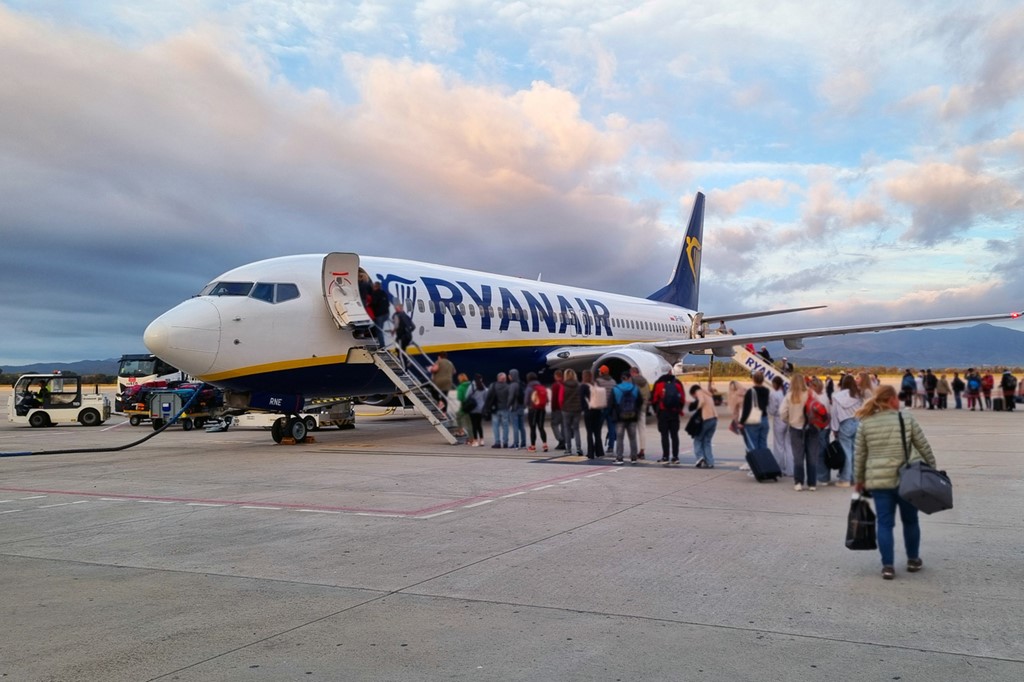
Pic: iStock
The European Commission has determined that fines levied by Spain against Ryanair and other budget airlines, pertaining to charges for cabin baggage, constitute a violation of existing regulations. Specifically, the Spanish consumer protection agency previously imposed a collective fine of €179 million (equivalent to £155 million) on Ryanair, easyJet, Norwegian, Vueling (IAG’s low-cost subsidiary), and Volotea for practices including the taxation of cabin luggage.
The Commission’s ruling indicates that these fines contravene EU law concerning air services, which grants airlines the autonomy to establish their pricing structures.
Michael O’Leary, Ryanair’s chief executive said: “We regret that these fee increases make regional Spanish airports uncompetitive, and this is why Ryanair is switching 1.2m more seats away from regional airports in Spain in summer 2026, to some of Spain’s bigger airports, but mainly to lower-cost competitor airports in Italy, Morocco, Croatia, Sweden and Hungary.”

AD: Oysterian Sea Food Restaurant And Bar
Consequently, thousands of passengers holding existing bookings will receive notifications regarding flight changes or outright cancellations over the coming months. These widespread affect popular tourist destinations, disrupting established travel plans for families and business travelers alike seeking Spanish sunshine.
The company insists these schedule alterations are necessary for maintaining reliable services across their remaining European network during the challenging winter period. Such large-scale naturally generate massive operational complications and considerable reputational damage for the company attempting to manage passenger fallout.
Industry analysts suggest the ongoing industrial action, particularly among air traffic controllers, has exerted unsustainable pressure on the low-cost carrier’s tight operating model. These substantial also potentially signal broader problems within the highly competitive European aviation sector as it attempts to recover stability post-pandemic.
The financial repercussions for the airline and for Spanish tourism are expected to be notable, especially impacting regional airports relying heavily on UK visitors throughout the quieter season. Affected customers must now carefully check their email inboxes for communication detailing their options for rebooking or securing full refunds directly from the airline promptly.
Experts urge travellers to understand their rights under current EU consumer protection laws regarding flight cancellations and significant schedule changes immediately. The airline must now mitigate financial losses resulting from the operational disruption while striving to preserve customer loyalty moving forward. Ultimately, the latest round of underscores the fragility of the entire European air travel infrastructure when faced with concerted industrial challenges.

AD: Heritage And Restaurant Lounge Bar


