

By Lawal AbdulMalik-
OpenAI, the technology company behind the globally popular artificial intelligence (AI) chatbot, ChatGPT, has formally launched a new web browser named Atlas, signaling a major escalation in the battle for internet usage and search dominance. The release of Atlas positions OpenAI as a direct and serious challenger to the current market leader, Google Chrome, potentially accelerating a fundamental shift in how people access and process information online. This strategic product launch fundamentally changes the landscape of internet tools.
Pic: OpenAI
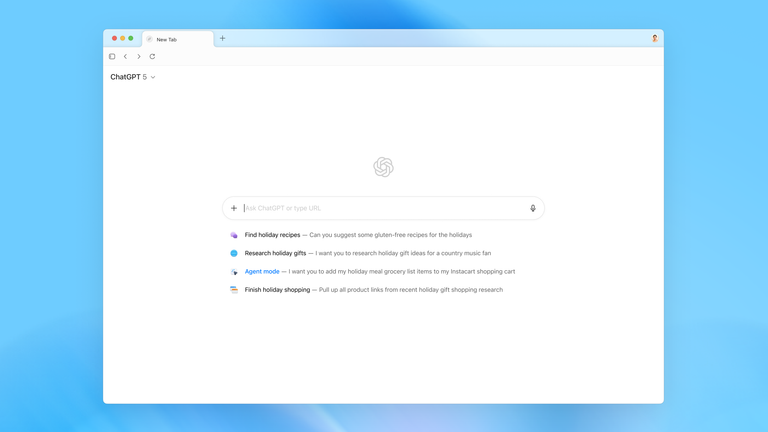
The key differentiator for Atlas lies in its deep, fundamental integration of AI technology. Unlike many existing browsers that simply bolt on a chatbot button, Atlas was designed from the ground up to incorporate ChatGPT functionality seamlessly. Ben Goodger, the lead engineer for Atlas, emphasized this crucial design philosophy, stating, “We wanted to make sure that Atlas didn’t feel like your old browser, just with a chat button that was bolted on.” This native integration means users no longer need to copy and paste text between browser tabs and the chatbot interface, making the OpenAI browser competition a contest of user experience and efficiency. The AI is constantly available on every page, ready to interact with any text box across the internet.

AD: Capeesh Restaurant
Pic: OpenAI
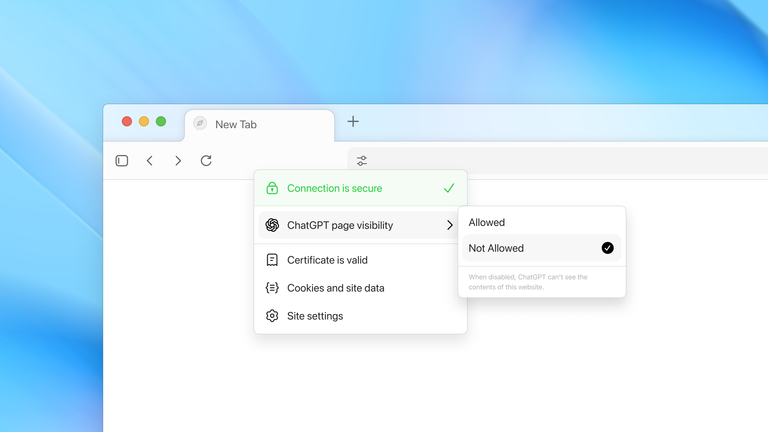
While Atlas will feel immediately familiar to long-time users of Chrome—retaining standard features like tabs, bookmarks, password autofill, and “incognito” mode—the core experience revolves around the advanced capabilities of the integrated AI. Adam Fry, the product lead for Atlas, confirmed the familiarity, noting, “Atlas should feel very familiar… it has all of your tabs, bookmarks, autofill for passwords, all the things you’re used to.” However, the addition of an advanced AI ‘agent’ elevates Atlas beyond traditional browsing functionality.
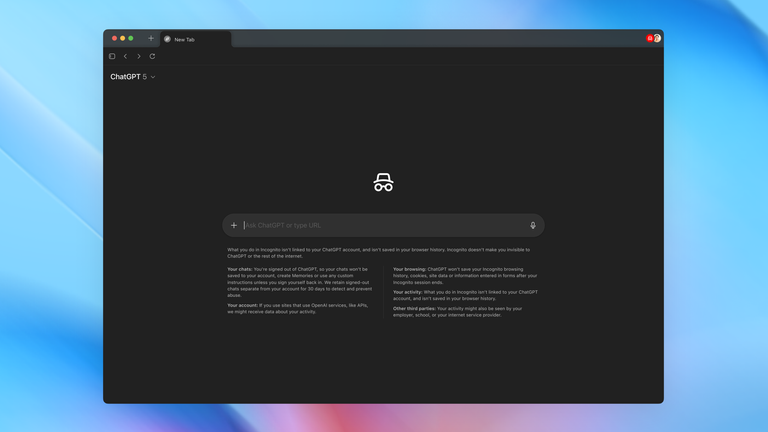
Incognito mode. Pic: OpenAI
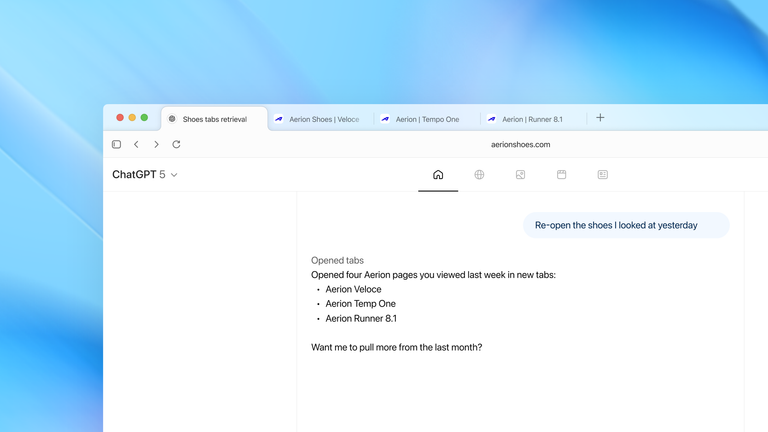
This AI agent, available to those paying for OpenAI’s Plus and Pro subscriptions, means the artificial intelligence can go beyond simple conversational queries. It is capable of undertaking more complex, multi-step tasks such as researching, planning, or even booking activities directly within the browser environment. Will Ellsworth, the research lead for the AI agent in Atlas, explained that the browser “should really feel like a natural extension of myself.” The browser supports natural language controls, enabling users to access information using personalized prompts, such as “re-open shoes I looked at yesterday,” rather than relying on traditional keyword-based searches. The introduction of these agent capabilities sets a high benchmark for the future of online utility, directly challenging the core functionality of Google Search and intensifying the OpenAI browser competition for user habits.
The emergence of Atlas represents a serious and immediate challenge to Google, whose dominant Chrome browser and search engine have faced increasing regulatory scrutiny. A recent US court ruling found that Google’s search business constituted an illegal monopoly, a finding that puts immense pressure on the company to maintain its technological edge.

AD: Oysterian Sea Food Restaurant And Bar
The threat from the OpenAI browser competition is particularly acute because increased user adoption of generative AI for searching could drastically reduce traffic directed to conventional websites. Instead of navigating to ten different links, users may simply receive a synthesized answer from the AI, potentially changing the fundamental economics of the internet.
Pic: OpenAI
Currently, Atlas is available globally for Apple Mac users, including those accessing the free version of ChatGPT, while the advanced AI agent features are reserved for paid subscribers. OpenAI has not yet announced a timeline for release on major platforms like Windows, iOS (iPhone), and Android, limiting its immediate market penetration. Beyond market dynamics, the broader shift toward AI-powered search introduces new technical and environmental considerations.
Although AI technology is constantly becoming more energy-efficient, its current operation still consumes significantly more electricity than traditional keyword-based search methods. This rising adoption rate of AI has outpaced potential energy efficiency improvements, posing an environmental challenge as the OpenAI browser competition drives broader AI usage.
OpenAI’s chief executive, Sam Altman, acknowledged the early stage of the project, stating, “There’s a lot more to add. This is still early days for this project,” indicating extensive future development is planned. This aggressive entry into the browser market ensures that technology giants will be forced to innovate rapidly.

AD: Heritage And Restaurant Lounge Bar


