
By Aaron Miller
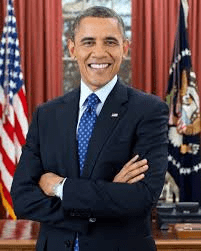
Barack Obama has congratulated Democrats on their sweeping victory in the US midterm elections after the party seized control of both the Senate and House of Representatives, delivering a major political setback to President Donald Trump and threatening to derail his legislative agenda.
The former US president described the result as a clear message from American voters, arguing that the country wanted political leadership focused on bringing people together rather than deepening divisions.

AD: Capeesh Restaurant
In a statement shared on social media following Tuesday’s election, Obama praised Democratic candidates across the country and said their victories reflected a public desire for practical solutions to the challenges facing ordinary Americans.
“Tonight, the American people sent a clear message — they want a politics that brings people together rather than divides them, and leaders who offer concrete solutions to the challenges they face,” he wrote.
Obama, who served as president from 2009 to 2017, also credited the candidates who secured victories in traditionally Republican areas, saying their different backgrounds and political perspectives had been united by shared values and a commitment to public service.

AD: Oysterian Sea Food Restaurant And Bar
He thanked election officials and volunteers from both political parties for helping to ensure the smooth running of the democratic process. However, his message also carried a warning about the work facing Democrats as they prepare to take greater control of Congress.
“While this administration has another two years in office, our job now is to roll up our sleeves, make changes wherever we have the power to do so, prevent further damage, and lay the groundwork for the future,” Obama said. The election result represents one of the most significant political challenges of Trump’s presidency. Democrats have secured control of both chambers of Congress after making substantial gains in states and districts that had previously been considered Republican strongholds.
The victories included major Senate gains in Kansas, Iowa, Texas, Ohio, Maine, North Carolina and South Carolina, while Democrats also captured more than two dozen additional House seats.
The scale of the swing is particularly significant because several of the states that changed political allegiance had comfortably supported Trump in the 2024 presidential election.
The outcome means Trump will face a much more hostile Congress during the final two years of his current term, with Democrats gaining the power to obstruct legislation, scrutinise his administration and challenge key political appointments. Control of the House will allow Democrats to take charge of congressional committees and launch investigations into the administration, while their Senate majority gives them greater influence over the confirmation of senior government officials and federal judicial appointments.
Trump, however, has made clear that he does not intend to surrender control of his political agenda without a fight.
Before the election, the president warned that he would be prepared to use his veto powers against legislation passed by the newly strengthened Democratic majority.
“I guess I’ll become Mr. Veto. I’m not going to let them ruin it,” Trump said earlier in the week.
Speaking on the Pod Force One podcast, he suggested that repeatedly rejecting Democratic proposals could eventually force the opposition party to negotiate with him.
“They’ll be sending stuff up. You veto it,” he said, adding that after a period of rejected legislation, Democrats might eventually be willing to reach a deal.
Trump has also played down the suggestion that the election represents a personal rejection of his leadership. Although he congratulated Democrats on their campaigning, he blamed Republican candidates for failing to attract sufficient support rather than accepting that his administration’s policies were responsible for the losses.
The results have nevertheless prompted intense reactions among American voters, with some Democratic supporters describing the outcome as a decisive rejection of Trump’s Make America Great Again movement. Social media was flooded with celebrations following the announcement of the results, with supporters expressing relief and renewed optimism about the country’s political direction.
One commentator described the result as a generational political defeat, while another argued that Trump’s appeal to voters had backfired after he encouraged Americans to treat the midterms as a personal referendum on his presidency. Others welcomed what they regarded as an opportunity to restore greater political accountability and challenge the direction of the administration.
But the Democratic victory does not mean Trump has lost the presidency or his executive powers. He remains in the White House and retains the ability to veto legislation, meaning the coming two years could be marked by intense negotiations, political confrontation, and potential legislative deadlock.
The challenge for the Democrats will now be to turn their electoral success into meaningful changes that address the concerns voters raised during the campaign, particularly the cost of living, economic pressures and dissatisfaction with the administration. The challenge for Trump is maintaining political influence while facing a Congress increasingly determined to scrutinise his decisions and resist his agenda.
Obama’s message may have celebrated a decisive Democratic victory, but his warning that the party must now deliver on voters’ expectations could prove just as important. The midterms have changed the balance of power in Washington. THe real test of the Democrats victory will be whether they can effectively translate that advantage into lasting political change, however, will be the real test of their victory.

AD: Heritage And Restaurant Lounge Bar