
By Lucy Caulkett-
Domestic abusers will face tougher restrictions, potentially lengthy prison sentences and unprecedented intervention in their private lives as sweeping new protection powers are rolled out across England and Wales, giving police and courts stronger tools to protect victims and confront perpetrators.
The new Domestic Abuse Protection Notices (DAPNs) and Domestic Abuse Protection Orders (DAPOs), coming into force nationally tomorrow, will allow authorities to intervene earlier, impose stricter conditions on abusers and provide victims with greater protection from violence, intimidation and controlling behaviour. Anyone who breaches a Domestic Abuse Protection Order could face up to five years in prison, marking a significant strengthening of the measures available to tackle domestic abuse. The new powers follow a two-year pilot programme across Greater Manchester, parts of London, Cleveland, North Wales and the British Transport Police, during which more than 3,000 victims were protected. The Government says the national rollout will build on that experience and provide a stronger, more flexible system of protection for victims across the country.

AD: Capeesh Restaurant
Under the new arrangements, courts will have wide-ranging powers to impose whatever requirements they consider necessary to protect victims. This could include forcing perpetrators to leave properties they share with their victims, preventing them from contacting those they have abused, imposing curfews and restricting their access to particular locations.
In a significant move to address the growing use of technology in domestic abuse, courts may also require perpetrators who use social media to continue campaigns of intimidation, harassment and control to hand over access to their accounts. The measure is intended to prevent abusers from continuing their behaviour online after victims have sought protection and to ensure safeguards extend beyond the physical home.
Criminal courts will also be able to impose positive requirements designed to address the underlying behaviour of perpetrators. These could include mandatory drug or alcohol treatment and mental health interventions, giving authorities the ability not only to restrict offenders but also to require them to take steps towards changing their conduct. The protections will cover all forms of domestic abuse, including controlling or coercive behaviour, stalking and economic abuse. Anyone subject to a Domestic Abuse Protection Order will also be legally required to notify police of any change of name or address. Failure to comply with that requirement will itself constitute a criminal offence.

AD: Oysterian Sea Food Restaurant And Bar
Victims will also have a new route to seek protection without having to rely on the police to initiate proceedings. Under the new system, they will be able to apply directly to the Family Court for a Domestic Abuse Protection Order. Local authorities and family members will also be able to seek permission from the court to make an application on a victim’s behalf. Unlike previous protective measures, the new orders can remain in force for as long as necessary to ensure victims’ safety. Police will also be able to issue immediate Domestic Abuse Protection Notices, providing emergency protection while an application for a longer-term court order is considered.
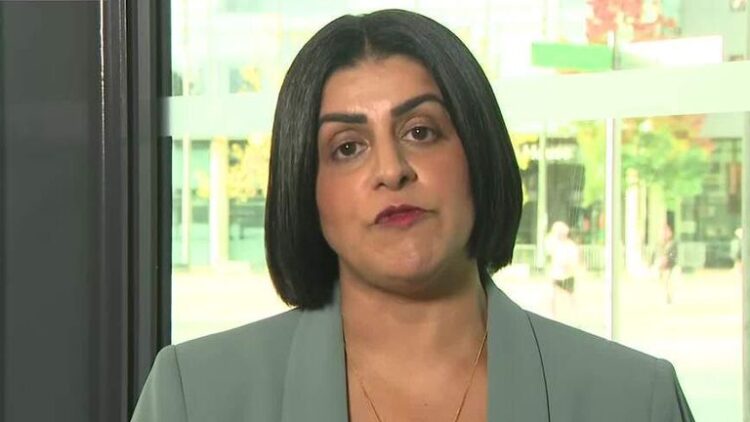
Home Secretary Shabana Mahmood said domestic abuse was a horrific crime that left victims frightened in their own homes and isolated from the people they loved. She said the Government was introducing the strongest protections ever available to victims, promising tougher action against perpetrators and improved access to support for survivors. She said: “We’re rolling out the strongest protections ever available to victims of domestic abuse, cracking down on perpetrators, and making it easier for victims to get the support they deserve.”
Lord Chancellor Alex Norris said domestic abuse could leave scars that lasted a lifetime and insisted that nobody should be forced to suffer in silence. He described the new measures as the toughest restrictions yet on perpetrators and said the national rollout followed a successful trial that had helped protect thousands of survivors. He also pointed to the Government’s commitment of £1 billion over the next three years to support victims and provide safe accommodation for survivors of abuse.
The scale of the challenge remains substantial. An estimated 4.7 million people experienced domestic abuse in the past year, underlining the importance of effective intervention and protection. The Government says the new measures will contribute to its ambition to halve violence against women and girls within a decade, while ensuring that male victims, including men and boys, can also access the protection they need. Alongside the national rollout, the Government is investing nearly half a billion pounds in support for victims through safe accommodation and more than £13 million to establish specialist protective order teams. These teams will test ways of strengthening the monitoring and enforcement of orders, improving the management of offenders and preventing further harm.
Andrea Simon, London’s Victims’ Commissioner, welcomed the introduction of the orders, describing them as an important development that built on lessons learned during the pilot programme, including in London boroughs. However, she warned that the effectiveness of the new protections would depend on their consistent application, proper monitoring and robust enforcement. She said the formal recording of domestic abuse by courts at sentencing also presented an opportunity to ensure that protection orders were actively considered and used to hold perpetrators accountable.
National Policing Lead for Domestic Abuse, Deputy Chief Constable Katy Barrow-Grint, also welcomed the new powers, saying they provided a stronger and more flexible framework for safeguarding victims. She said the orders built on existing Domestic Violence Protection Orders but gave courts greater scope to impose tailored restrictions and positive requirements over longer periods.
The national rollout comes one year after the publication of the Government’s landmark Violence Against Women and Girls Strategy, which pledged to use the full power of the state to confront perpetrators and improve support for victims. Other measures include embedding domestic abuse specialists in 999 control rooms under Raneem’s Law, targeting dangerous offenders, strengthening action against stalking and investing in specialist policing.
The Government says the new protections represent a major step towards ensuring that victims are not left to face their abusers alone. However, as campaigners and victims’ representatives have stressed, the real test will be whether the orders are consistently enforced and whether those at risk can rely on the authorities to act before further harm is done.

AD: Heritage And Restaurant Lounge Bar