
By Charlotte Webster-
More than 20,000 NHS patients are to take part in a groundbreaking £8.49 million trial examining whether a simple blood test could help detect some of Britain’s deadliest cancers earlier, potentially transforming diagnosis and saving thousands of lives.
The ambitious research programme will operate across at least 200 GP practices in England, offering patients aged 45 and over who attend with abdominal symptoms the opportunity to undergo tests designed to identify early warning signs of multiple cancers from just one blood sample.

AD: Capeesh Restaurant
The trial, known as STRIDE-RCT, will investigate whether emerging blood-testing technologies can help GPs identify patients who need urgent further investigation, particularly when symptoms such as persistent bloating, abdominal discomfort and stomach pain could easily be mistaken for less serious conditions. The cancers being investigated include bowel, pancreatic, stomach, liver, ovarian, oesophageal, kidney, bladder and prostate cancer, alongside several other abdominal cancers.
The potential significance is considerable. Around 71,000 people are diagnosed with pancreatic, stomach, liver, ovarian or bowel cancer in England every year, while almost 35,000 people die from these diseases. One of the biggest challenges facing doctors is that many abdominal cancers produce vague symptoms during their early stages. By the time patients receive a diagnosis, the disease may already have progressed, leaving fewer treatment options and significantly reducing their chances of survival.
The difference between detecting cancer early and finding it at an advanced stage can be devastating. According to the figures provided for the trial, around nine in 10 people diagnosed with stage one bowel cancer survive for at least five years, compared with approximately one in 10 diagnosed at stage four.

AD: Oysterian Sea Food Restaurant And Bar
Health and Social Care Secretary Yvette Cooper said the earlier cancer was diagnosed, the greater the opportunity for successful treatment and survival.
She described the research as a world-first trial that would establish whether relatively simple blood tests could help GPs identify patients requiring urgent medical attention much sooner.
The programme forms part of the Government’s wider National Cancer Plan, which aims to improve diagnosis, accelerate treatment and strengthen patient care through investment in medical research and emerging technologies.
The blood tests, many of which have been developed by researchers at the University of Birmingham, will examine a single sample for signs of several different cancers and attempt to identify where in the body those signals may originate.
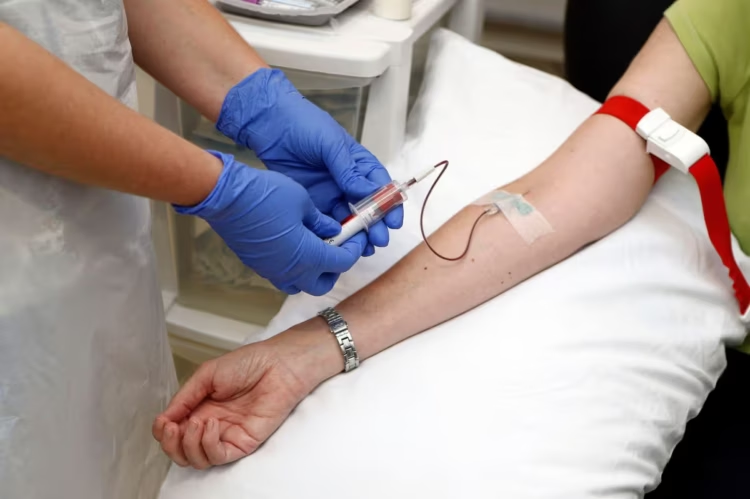
Patients will generally be asked to provide one or two tubes of blood during their GP appointment, alongside any routine blood tests considered necessary.
The technologies being evaluated include artificial intelligence and sophisticated methods of measuring proteins circulating in the blood. Researchers hope these approaches will help identify warning signs that might otherwise go unnoticed during an initial consultation.
However, a positive result will not automatically mean that someone has cancer. Instead, it will provide additional information to help the GP and patient decide whether further investigations or an urgent hospital referral are necessary.
This distinction is particularly important because only around two to six per cent of urgent cancer referrals currently result in a cancer diagnosis. Researchers hope the new technology could help GPs identify patients who genuinely need further investigation while reducing unnecessary referrals and anxiety for those who do not have the disease.
Professor Peter Johnson, NHS National Clinical Director for Cancer, said detecting abdominal cancers early remained notoriously difficult because their symptoms could easily be confused with other conditions. He said the trial would establish whether blood tests could help GPs direct the right patients towards the right investigations sooner, improving the chances of identifying cancer when treatment was most likely to succeed.
Professor Aneel Bhangu, a consultant colorectal surgeon and co-chief investigator, said he regularly encountered patients whose cancers had gone undetected after months of vague symptoms.
He also highlighted the difficulties created by large numbers of patients being referred urgently when they ultimately did not have cancer.
The research, he explained, was designed to establish whether the new blood tests could help distinguish between patients who required urgent investigation and those whose symptoms had another explanation. The importance of earlier diagnosis has also been emphasised by Dr Anisha Patel, an NHS GP and bowel cancer survivor who was diagnosed with stage three disease at a young age.
Drawing on her experience as both a doctor and a patient, she said vague symptoms often made it difficult for GPs to recognise potentially serious conditions during routine consultations. She described the trial as an encouraging development but stressed that listening to patients, taking persistent symptoms seriously and ensuring people attend screening appointments must remain central to cancer care.
The Government is providing up to £8.49 million through the Office for Life Sciences and the National Institute for Health and Care Research to support the research. The trial will include GP practices serving inner-city, rural, coastal and deprived communities to ensure that its findings reflect the experiences of patients across different parts of England.
Cancer charities have welcomed the initiative, although they have stressed that its findings must be carefully evaluated before the tests are introduced more widely across the NHS. Michelle Mitchell, chief executive of Cancer Research UK, said the research addressed an important problem facing GPs, who often have to make difficult decisions when patients present with symptoms that could have several different causes.
Bowel Cancer UK and Pancreatic Cancer UK have also welcomed the opportunity to investigate whether the technology could improve early diagnosis, particularly for diseases where late detection remains a major challenge. The potential benefits for pancreatic cancer patients could be particularly significant. Half of those diagnosed with the disease currently die within three months of receiving their diagnosis, highlighting the urgent need for better detection methods.
The success of the STRIDE-RCT trial will depend on whether the blood tests demonstrate that they can reliably identify patients who need further investigation without creating unnecessary referrals or false reassurance.
The research does not yet mean that cancer can be diagnosed through a routine GP blood test, nor does it replace established screening programmes or medical investigations. But if the technology proves effective, it could give doctors a powerful additional tool in the fight against some of the country’s deadliest diseases. The research offers an important possibility: finding cancer sooner,when there is still more that medicine can do.

AD: Heritage And Restaurant Lounge Bar