
By Sammy Jones-
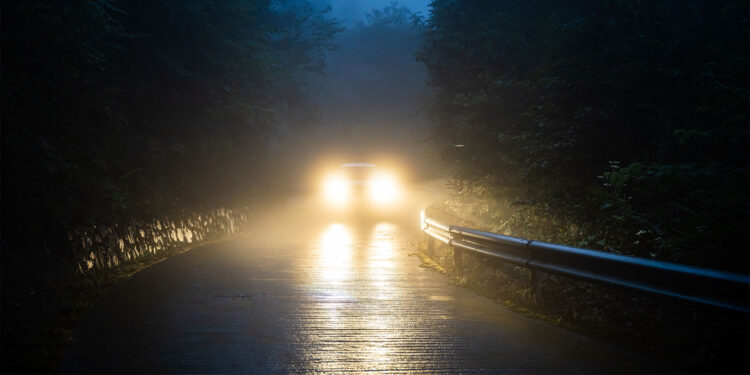
While dusk falls across the UK’s motorways and rural lanes, a growing number of drivers are pulling back on their steering wheels, squinting against an increasing glare from oncoming vehicles. What was once a minor nuisance for night‑time travellers has become a major road‑safety conversation, with mounting evidence suggesting that brighter, modern car headlights might be contributing to both stress and danger for UK motorists.
From innovative LED and xenon bulbs to taller vehicles and poorly aligned lamps, many drivers and safety organisations are questioning whether advancements intended to improve visibility might paradoxically be reducing it at least for everyone else on the road.

AD: Capeesh Restaurant
Headlight glare has risen up the list of road safety concerns in recent years, largely driven by changes in vehicle‑lighting technology. Modern headlights, especially LED and high‑intensity discharge (HID) systems, deliver sharper, whiter beams that illuminate the road far more effectively for the driver using them. But for oncoming motorists, that added brightness can come at a cost.
According to surveys commissioned by the RAC, nearly 9 in 10 UK drivers (89%) believe some or most headlights on the road today are too bright, and 91% of those complain they have been dazzled while driving.

AD: Oysterian Sea Food Restaurant And Bar
Even more striking is how headlight glare affects driving behaviour: a quarter of motorists now cut back on night driving because of dazzling headlights, and one‑in‑20 (5%) have stopped driving at night altogether.
It isn’t just annoying it’s a safety concern. Nearly two‑thirds of drivers who get dazzled say they have to slow down considerably until their vision recovers, and 64% believe some headlights are so bright they could cause accidents.
Recent research commissioned by the Department for Transport (DfT) and carried out by consultancy TRL supports these concerns. Their on‑road testing found that vehicles with higher measured luminance essentially the amount of light emitted were more likely to cause glare for oncoming drivers, particularly in situations like going around bends or driving uphill, where the beam hits the driver’s line of sight more directly.
Government statistics highlight the real‑world impact of this glare. Since 2013, there has been an average of around 280 collisions per year where dazzling headlights were recorded as a contributory factor, with roughly six fatalities annually attributed to such collisions.
But for many drivers, it isn’t just about numbers on a page it’s about everyday experience. Surveys show that 82% of motorists worry about being dazzled by bright headlights, and in winter months when dusk arrives earlier and night driving increases those concerns are heightened.
This data paints a stark picture: while advanced lighting technologies can improve forward visibility for drivers using them, the effect on others sharing the road can be detrimental, especially when glare disrupts depth perception, reaction times or confidence behind the wheel.
A Problem Without Simple Answers
Despite widespread driver concern, officials and experts have differing views on how big a safety issue headlight brightness really is. The UK government has launched reviews into headlight glare, and bodies like the Driver and Vehicle Standards Agency (DVSA) have tightened checks during MOT tests to ensure lights are correctly aligned and meet legal standards.
Transport organisations, including the RAC and the AA, have called for independent research into the issue, urging policy makers to consider whether current lighting regulations are fit for an era of high‑intensity lamps and larger vehicles like SUVs, which often sit higher and shine directly into the eyes of drivers of smaller cars.
Yet government spokespeople have been cautious, noting that while brighter headlights and glare are clearly a source of driver discomfort, there is no definitive evidence that technological advances alone have increased collision rates. For example, research suggests brighter lights improve the vision of the motorist using them, which could reduce certain types of night‑time accidents.
That tension between perceived risk and proven outcomes drives much of the current debate. On one side are drivers who say modern headlights are blinding and stress‑inducing, forcing them to change their driving habits or avoid night travel altogether.
On the other are policymakers insisting that while glare is an issue worth monitoring, advances in lighting technology still offer net safety benefits when used responsibly.
Some experts propose more nuanced solutions rather than broad restrictions on headlight brightness. These include improved automatic headlight levelling systems that adapt to road conditions and prevent beams from dazzling others, better enforcement of headlamp alignment at MOT tests, and public campaigns to encourage motorists to check and adjust their lights properly.
Others point to environmental and ergonomic factors: keeping windscreens clean, reducing interior distractions, and even adjusting how road lighting is designed to complement, rather than conflict with, vehicle headlights.
It’s also clear that certain groups notably older drivers and those with visual impairments may be disproportionately affected by glare, as their eyes take longer to recover from sudden brightness. This has prompted calls for targeted guidance and support to ensure that night driving remains accessible for all road users.
Ultimately, the debate over brighter headlights in the UK underscores a broader challenge: how to balance technological innovation with safety for everyone on the road. It’s not simply a case of more light equals safer roads the way that light interacts with human perception, vehicle design and driving behaviour must also be part of the conversation.
While the government’s review continues and more data emerges, one thing is certain: for millions of UK drivers who navigate dark roads every day, addressing the glare from headlights is not just about comfort it’s about confidence, safety, and the future of night‑time travel.
With drivers, the experience of being momentarily blinded by an oncoming vehicle can be disorienting, frightening, and, in some cases, dangerous. It forces split-second reactions, from braking too hard to swerving slightly off course, any of which can trigger a chain reaction on busy roads.
Over time, repeated exposure to dazzling headlights can also take a psychological toll, making drivers more cautious, hesitant, or even unwilling to drive at night a problem that disproportionately affects shift workers, emergency responders, and those living in rural areas where street lighting is minimal.
Experts argue that the issue goes beyond individual discomfort. Road safety campaigns increasingly emphasise that even short-lived glare can compromise reaction times, impair depth perception, and increase the likelihood of accidents, especially in complex driving situations such as navigating bends, junctions, or wet roads.
Moreover, demographic factors matter: older drivers and those with existing visual impairments are more sensitive to glare, meaning that rising headlight intensity can exacerbate inequalities in mobility and access.
Addressing the problem may require a combination of technological innovation, stricter regulations, and driver education. Solutions could include more widespread adoption of adaptive headlights, improved enforcement of alignment standards at MOT tests, and public awareness campaigns encouraging motorists to check their headlight settings regularly.
Meanwhile, researchers are calling for additional studies to track the correlation between headlight brightness and accident rates, ensuring that future policy is evidence-based rather than anecdotal.
Ultimately, managing the glare issue is about more than simply dimming lights. It represents a critical step toward making Britain’s roads safer for everyone, restoring driver confidence, and ensuring that night-time travel remains a viable and secure option in the years ahead.

AD: Heritage And Restaurant Lounge Bar