
By James Simons-
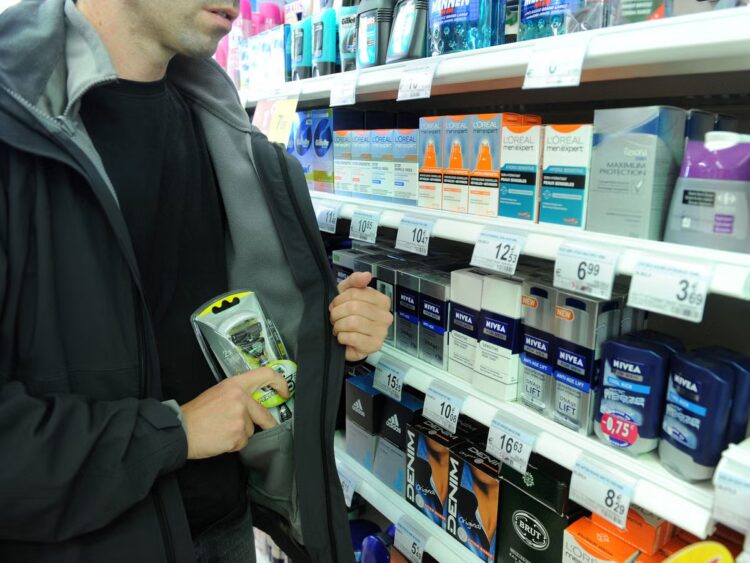
Retailers across the United Kingdom are sounding the alarm over what they describe as a “systematic targeting” of shops by organised criminals, after new figures revealed that theft and violence in the sector cost the industry at least £400 million last year.
The latest Crime Report by the British Retail Consortium (BRC) exposes stark trends in shoplifting, violence against staff and growing frustration with law enforcement responses.

AD: Capeesh Restaurant
According to the BRC figures, there were 5.5 million detected shoplifting incidents across the UK in the past year, inflicting estimated losses of nearly £400 million on retailers. These figures, described by the BRC as a conservative estimate, reflect only detected cases; many more offences go unreported, meaning the true cost could be significantly higher.
Helen Dickinson, the BRC’s chief executive, said organised criminal gangs were increasingly focusing on high-value, easily resold goods, repeatedly hitting one store after another in what she termed “systematic” thefts. Retailers report gangs operating with apparent confidence that there will be few consequences, fuelling concerns that the problem is becoming entrenched rather than exceptional.
The surge in theft is occurring alongside high levels of violence and abuse towards retail workers. While such violent incidents fell by about a fifth compared with the previous year from around 2,000 to 1,600 per day levels remain “unacceptably high” and markedly above pre-pandemic figures. On average, 118 physical attacks on staff were recorded each day last year, including 36 involving weapons.

AD: Oysterian Sea Food Restaurant And Bar
Retailers have responded to rising crime by investing heavily in security. According to the report, more than £5 billion has been spent over the last five years on CCTV, security personnel and advanced technologies designed to deter offending and protect workers.
While these measures are credited with helping to bring down certain categories of abuse, the overall mood in the sector is one of continuing anxiety and frustration.
In response to mounting pressure from industry bodies and unions, the UK government is advancing measures aimed at tackling retail crime. The forthcoming Crime and Policing Bill is set to introduce a new standalone offence for assaulting retail workers, increasing potential sentences and removing the current £200 threshold that has historically distinguished lower-level theft from more serious cases.
Retailers have cautiously welcomed these proposals, saying they would send a stronger message that theft and violence against shop workers will not be tolerated. However, many in the industry remain sceptical that legislative changes alone will be enough without significant improvements in police prioritisation and resourcing.
Only around 13% of retailers rated police responses to crime as ‘good’ or ‘excellent’, up from 9% the previous year, leaving the majority still dissatisfied.
Shop workers’ unions have also weighed in. Joanne Thomas, general secretary of Usdaw, highlighted the emotional toll that repeated violence and theft are taking on staff, emphasising that for many workers, the threat of abuse and intimidation is a daily reality of their job rather than an isolated risk.
This week’s figures reinforce findings from broader public polls, suggesting that nearly a quarter of adults in some regions witnessed shoplifting in the past year, and many customers have also observed abuse directed at retail staff during attempted thefts.
These trends underscore the sense among both staff and shoppers that retail crime is a widespread social issue, not confined to a handful of high-profile cases.
While government pledges include funding to boost policing numbers and specific crime-fighting initiatives, retail leaders argue that a long-term, sustained strategy is required to address not just the symptoms of retail crime but its underlying causes.
These causes include broader economic pressures such as inflation, unemployment and social deprivation factors that analysts say are fuelling opportunistic and organised theft alike.
As Britain’s high streets and town centres continue to grapple with the fallout from rising crime, the debate over how best to protect shops, staff and consumers shows no sign of abating.
With further legislative scrutiny and police reviews in the pipeline, industry figures are urging politicians not to lose momentum, warning that without decisive action, retail crime could become an even more entrenched challenge for communities nationwide
The concern is not only the scale of losses but the changing nature of offending. What was once often opportunistic shoplifting has, according to the British Retail Consortium (BRC), evolved into increasingly organised and coordinated criminal activity.
Gangs are said to be targeting multiple stores in a single day, stripping shelves of high-value goods such as alcohol, meat, baby formula and cosmetics, and reselling them through informal markets or online platforms. Retailers argue that this level of organisation requires a response that goes beyond store-level security and addresses the networks behind the thefts.
The cumulative effect on businesses particularly independent shops already operating on tight margins has been profound. Industry leaders warn that repeated losses, combined with the rising cost of investing in security measures, are forcing difficult decisions.
Some have reduced opening hours to minimise exposure during late-night periods, while others have closed branches entirely in areas perceived as high-risk.
This, they say, risks accelerating the decline of already fragile high streets, with boarded-up shopfronts reinforcing a cycle of economic and social deterioration.
There is also growing evidence that retail crime is reshaping the in-store experience for customers. Shoppers are increasingly encountering locked cabinets, security tags on everyday essentials and visible guard patrols measures once reserved for luxury goods.
While many customers understand the need for protection, retailers acknowledge that such steps can erode the welcoming atmosphere that physical stores rely upon. The balance between accessibility and security has become one of the defining operational challenges facing the sector.
Employee wellbeing remains at the heart of the debate. Trade unions have repeatedly highlighted the psychological toll on retail staff who face threats, verbal abuse and, in some cases, physical violence.
Even where incidents do not result in injury, the stress of repeated confrontations can contribute to burnout and high staff turnover. Employers report increasing difficulty recruiting and retaining workers in areas where crime levels are perceived to be particularly acute.
The proposed legislative changes currently under consideration including the creation of a standalone offence for assaulting a retail worker have been broadly welcomed as a symbolic and practical step forward. Retailers believe that removing the perception of “low-level” consequences for shop theft could act as a deterrent, particularly if supported by consistent enforcement.
However, many caution that legal reform must be matched by adequate resources for policing and prosecution if it is to have meaningful impact.
Police forces across England and Wales have acknowledged the pressure but point to competing demands and stretched budgets. Some forces have begun trialling targeted operations focused on repeat offenders and organised groups, sharing intelligence across regions and working more closely with retailers. Industry representatives say these initiatives show promise but require sustained funding and coordination to achieve lasting results.
Beyond enforcement, there is a broader conversation emerging about the social and economic drivers behind retail crime. Analysts note that the cost-of-living crisis, persistent inequalities and gaps in support services may be contributing factors, particularly in areas with high unemployment or limited youth provision.
While retailers stress that theft cannot be excused, many accept that long-term solutions must address underlying vulnerabilities alongside criminal justice responses.
Community engagement is increasingly seen as part of that solution. Local business improvement districts and town centre partnerships have stepped up collaboration between shops, councils and police, sharing real-time information about suspected offenders and coordinating preventative strategies.
In some areas, retailers have pooled resources to fund shared security patrols or invest in improved lighting and surveillance infrastructure. These grassroots efforts demonstrate a willingness within communities to defend their commercial hubs, but participants warn that they cannot replace national leadership.
Ultimately, the stakes extend beyond balance sheets. Retail is one of the UK’s largest private-sector employers and a cornerstone of local economies.
When stores close or reduce operations due to crime, the impact ripples outward affecting jobs, supply chains and public confidence in the safety of shared spaces. Industry figures argue that safeguarding shops is inseparable from safeguarding communities themselves.
While the government’s legislative agenda advances and police strategies evolve, the coming months are likely to prove pivotal. Retailers insist that momentum must be maintained, not only through tougher laws but through consistent enforcement, targeted prevention and investment in local economies.
Without a coordinated and sustained approach, they warn, retail crime risks becoming normalised an everyday feature of high street life rather than the urgent problem it is widely acknowledged to be.

AD: Heritage And Restaurant Lounge Bar