
By Lucy Caulkett-
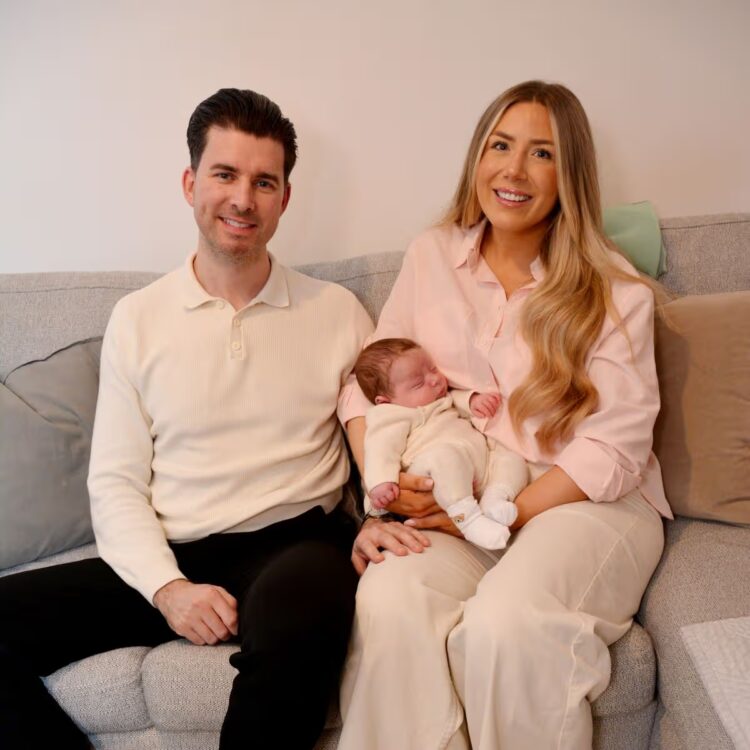
A baby boy has become the first child in the United Kingdom to be born to a mother who received a womb transplant from a deceased donor a landmark moment hailed by doctors and the baby’s parents as “simply a miracle.” The achievement, announced by medical teams this week, marks a pioneering step in reproductive medicine in Britain and comes after years of dedicated research and surgical innovation.
Hugo Richard Norman Powell, born in December at 6lb 13oz (3.1kg), was delivered by Caesarean section at Queen Charlotte’s and Chelsea Hospital in London, part of Imperial College Healthcare NHS Trust.

AD: Capeesh Restaurant
His mother, Grace Bell, 30-something and an IT programme manager, was born with Mayer-Rokitansky-Kuster-Hauser (MRKH) syndrome, a rare condition that results in an underdeveloped or absent womb a diagnosis she received at age 16.
Ms Bell and her husband, Steve Powell, from southern England, first considered surrogacy before being accepted into a specialised womb transplant programme run by the charity Womb Transplant UK. Being part of this approved research initiative, she underwent a complex seven-hour womb transplant operation in 2024 carried out by consultant surgeons at the Oxford Transplant Centre.
In a statement reflecting the emotional journey, Ms Bell described her son’s birth as “unreal” and said she has been “the happiest I’ve ever been in my life” since holding Hugo for the first time. She told reporters she still finds it hard to believe her dream to experience pregnancy and childbirth has come true.

AD: Oysterian Sea Food Restaurant And Bar
The transplant, funded and coordinated through research channels rather than standard NHS organ donation pathways, required extra consent from the donor’s family on top of typical organ donation permissions.
Womb donation is not automatically included in the Organ Donor Register or covered by the UK’s “opt-out” deemed consent system, meaning families are specifically asked whether they are willing to donate a uterus after agreeing to other organ donations.
The unnamed donor also provided five other organs that went on to save the lives of other patients, a fact the transplant team and Ms Bell’s family have highlighted as an extraordinary act of generosity. The donor’s parents said, even amid their grief, they find some solace in knowing their daughter’s organs helped others, and that through Ms Bell’s pregnancy, a new life has been brought into the world.
Medical professionals involved in the programme say the success is a testament to years of careful research and collaboration across transplant and fertility specialists. Professor Richard Smith, clinical lead of Womb Transplant UK, and consultant surgeon Isabel Quiroga were key figures in the operation and subsequent fertility treatments that led to Hugo’s birth.
Uterine (womb) transplants remain rare globally, with only about 25–30 births from deceased donor wombs reported worldwide. Most transplants have used wombs from living donors, often family members, making the UK case among only a handful of such births in Europe.
The procedure is offered within research frameworks because it does not save the life of the recipient, unlike heart, liver or kidney transplants, but instead enables pregnancy and childbirth for women who would otherwise be unable to carry a child.
Recipients typically undergo fertility treatment and in-vitro fertilisation (IVF) following surgery, as was the case for Ms Bell, before embryo implantation and pregnancy can occur.
Looking forward, Ms Bell and Mr Powell have said they may consider having another child, a possibility made feasible by the success of the first pregnancy. However, doctors caution that the transplanted womb will eventually have to be removed to prevent long-term use of immunosuppressant drugs, which help prevent organ rejection but carry health risks if taken indefinitely.
The success of this case builds on earlier British breakthroughs. In 2025, another woman, Grace Davidson, became the first person in the UK to give birth after receiving a womb transplant from a living donor her older sister. That birth was widely reported as a milestone in UK reproductive medicine and helped pave the way for the latest achievement.
Experts say the implications of Hugo’s birth extend well beyond a single family’s joy. Fertility specialists and transplant surgeons believe that as techniques improve and research expands, womb transplants could offer new options for thousands of women worldwide born without a womb or those who have lost uterine function due to illness or injury.
In the UK, estimates suggest that thousands of women might benefit from womb transplant programmes if they continue to develop. However, access remains limited at present, and such procedures are primarily conducted under research protocols that involve intensive clinical oversight and specialised centres.
The ethical and practical landscape surrounding womb transplants continues to evolve. Questions about equitable access, long-term health outcomes and the emotional and psychological impact on families have been raised in academic and medical circles.
Advocates argue that expanding research and investment could help address infertility challenges that, until recently, seemed insurmountable for women with congenital or acquired uterine conditions.
Critics caution that clinical and societal frameworks must ensure that recipients receive comprehensive care and support both during treatment and after childbirth.
While Hugo’s birth stands as a powerful symbol of what medical science can achieve when innovation, collaboration and patient resilience intersect.
While Ms Bell reflected in her interview with reporters, the journey from diagnosis as a teenager to motherhood has been long and emotional. “From the moment of my diagnosis, every birthday when I blew out my candles, I would wish for this to be able to experience pregnancy,” she said. “They have fulfilled all of my dreams, everything has come true.”
Health organisations, including NHS Blood and Transplant (NHSBT), are actively encouraging wider conversations about organ donation and the life-changing opportunities it can create. Specialist Nurses in Organ Donation (SN‑ODs) play a central role in this process, approaching families with care and sensitivity when discussing donation, including rarer procedures such as womb transplants.
While such donations may not be life-saving in the traditional sense, NHSBT emphasises that they can be profoundly life-giving, offering recipients and their families the chance to experience pregnancy and parenthood. Families are supported throughout the process by dedicated donor care teams, ensuring they are fully informed and comfortable with the decisions they make.
With worldwide numbers still small but growing, the UK’s success could inform future protocols and help build a more robust global evidence base. With clinics and researchers share data and best practices, the hope is that more women facing uterine factor infertility will one day have the opportunity to carry their own children, much like Grace Bell has with baby Hugo.

AD: Heritage And Restaurant Lounge Bar