
By James Simons-
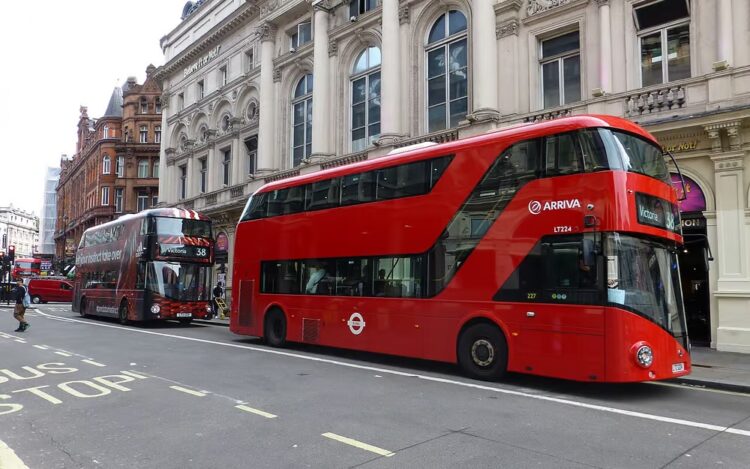
London is bracing for potentially severe travel chaos this spring and early summer as bus workers and London Underground drivers face the prospect of striking on the same days. Transport experts warn that if the walkouts coincide, the capital’s already busy public transport network could grind to a halt, leaving millions of commuters, tourists, and businesses struggling to navigate the city. The possibility arises from two separate disputes between transport workers and employers that have been simmering for months. Members of the Rail, Maritime and Transport union (RMT) who work on the Tube are already scheduled to walk out on six sets of dates across April, May, and June in a disagreement centred on working conditions and rosters.
Meanwhile, bus workers employed by Transport for London (TfL) including station controllers and traffic managers represented by Unite the Union have been balloted for industrial action over concerns about new rota systems that many feel undermine work–life balance.

AD: Capeesh Restaurant
If the separate ballots lead to action, strikes could fall on overlapping dates, dramatically amplifying the impact on London’s transport infrastructure.
With commuters, the growing prospect of simultaneous strikes marks a troubling escalation in London’s ongoing transport tensions. The RMT’s Tube strike schedule already threatens to disrupt millions of journeys with planned walkouts on dates such as 21–22 April, 23–24 April, and 19–20 May, among others potentially bringing severe delays to Underground services at peak times.
At the same time, Unite’s ballot closes on 13 April, and if its members vote in favour of action, bus services could also grind to a halt on one or more of the same dates.

AD: Oysterian Sea Food Restaurant And Bar
Bus workers have argued that recent changes to shift patterns and rostering practices have adversely affected their quality of life and that without meaningful concessions, they may have little choice but to follow their Tube‑working counterparts onto picket lines.
Transport for London has acknowledged the seriousness of the situation. A TfL spokesperson said the authority is “working hard to resolve the dispute” and is engaging with unions to try to prevent disruption, while urging passengers to check service updates before travelling.
Officials are also preparing contingency plans and providing detailed guidance to help commuters navigate potential delays and make informed travel decisions during strike days.
Economists and business leaders have seized on the looming disruption to warn about broader impacts. London’s economy is heavily reliant on its transport system: millions of workers commute daily, and retailers, hospitality venues and tourist attractions depend on reliable access for customers.
Past Tube strikes have been estimated to cost tens of millions of pounds a day in lost productivity and crowding on alternative modes of transport, and the prospect of buses joining the walkouts could multiply these effects.
If the overlapping strikes go ahead, the effects are expected to be widespread. Tube services, already vulnerable to disruption on walkout days, could see severe delays or only partial service, forcing passengers to seek alternatives such as walking, cycling or heavy reliance on National Rail services, the Elizabeth line and London Overground each of which is expected to be far busier than usual.
At the same time, London’s bus routes often a vital fallback for commuters when Underground services falter may be similarly constrained, with travellers bracing for longer waits and potentially crowded conditions on the routes that do run.
Transport analysts caution that, in such a scenario, taxi services, ride‑hailing apps and cycle hire schemes are likely to see surging demand, pushing prices up and squeezing capacity for those who might otherwise have used public transport.
To visitors and tourists, the stakes are no less significant. London’s transport network underpins much of its appeal, from easy movement between iconic landmarks to efficient access to airports. A well‑timed strike on multiple fronts could make navigating the city a frustrating affair for those on holiday, exacerbating travel times and complicating connections to destinations like Heathrow or Gatwick.
Those planning trips during the strike windows are being advised to check schedules, consider flexible booking options and plan around potential delays.
City officials have also weighed in publicly, underscoring the urgency of reaching a negotiated settlement. A spokesperson for the Mayor of London said that while the rights of workers to take industrial action are respected, “disruption on this scale would be deeply harmful to Londoners’ daily lives and the city’s economic wellbeing.”
The intervention follows pressure from business groups, who have called for all sides to return to talks and avert the prospect of dual strikes.
Union leaders, for their part, maintain that the workers’ grievances are legitimate and that industrial action is a last resort. In a recent interview, a representative from the RMT described the disputes as symptomatic of larger systemic issues in how transport workers are treated from increasing workloads to concerns over safety and insufficient staffing.
Similarly, Unite has emphasised that its ballot reflects genuine frustration over rostering procedures that members say undermine their ability to balance professional demands with family life.
The unfolding situation has also reignited debate about London’s broader transport governance. Some commentators have called for updated frameworks that could limit the potential for major strikes to paralyse the city proposals that range from enhanced arbitration mechanisms to minimum service level legislation for essential public transport.
These ideas, however, have been met with mixed reactions from unions and legislators alike, illustrating the complex interplay between workers’ rights and public necessity.
Passengers are being urged to stay informed and prepare for potential disruption. Transport for London’s official website and apps are regularly updated with the latest strike and service information, while news outlets across the UK, including The Independent and Evening Standard, are tracking developments closely.
While London edges closer to the first possible overlap of Tube and bus strikes, the capital is bracing for what could be a defining moment in its long history of transport industrial relations one that will test the resilience of its infrastructure and the patience of its commuters in equal measure.
Whether through last‑minute negotiations or well‑organised contingency planning, authorities and unions alike are aware that the stakes for both workers and the city’s daily rhythms could not be higher.

AD: Heritage And Restaurant Lounge Bar