
By Ben Kerrigan-
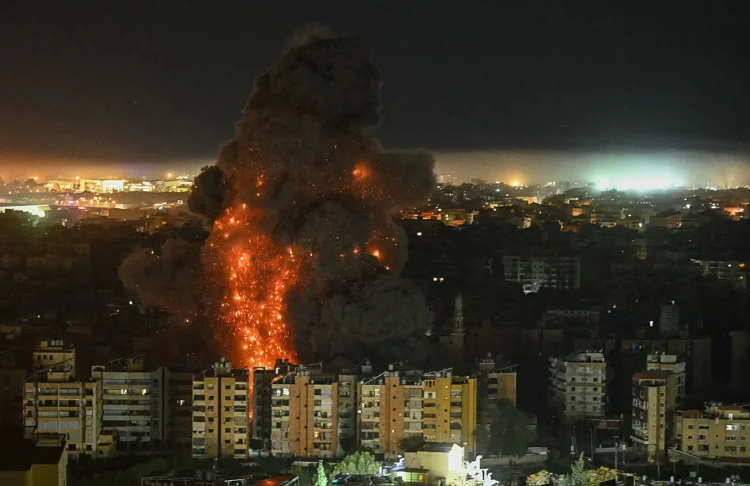
The war ignited by the United States and Israel against Iran intensifies, the ripples are reaching far beyond the battlefield, threatening to unsettle global markets and place the newly elected Labour government in London under mounting pressure. What began as a strategic strike has morphed into a complex geopolitical crisis with real economic impact: rising energy costs, faltering growth figures and a palpable shift in consumer and investor confidence.
The consequences for the UK’s domestic economy and the Labour administration’s fragile mandate have become impossible to ignore, with experts warning that the fallout from this conflict could derail economic recovery just as it was beginning to show signs of stabilising.

AD: Capeesh Restaurant
At the centre of this storm is the disruption to energy markets. Since the conflict began, global oil prices have surged as bottlenecks at critical choke points in the Middle East, especially around the Strait of Hormuz, curtail the flow of crude and liquefied natural gas.
This maritime passage, through which roughly one‑fifth of the world’s oil transits, has seen a dramatic reduction in tanker traffic amid safety fears, pushing Brent crude above US$100 per barrel for the first time in years.
The strategic significance of these developments cannot be overstated. The UK remains heavily reliant on imported energy, and such price spikes feed directly into household bills and business costs. Recent data showed that consumer confidence in Britain has plunged to a four‑month low as the conflict’s impact filters through the economy.

AD: Oysterian Sea Food Restaurant And Bar
Fuel and electricity price inflation squeezes household budgets, while the increased cost of transporting goods inflates prices across supermarkets and supply chains. In an already fragile economic climate, this has the potential to push inflationary pressures back into play just as Labour had hoped to secure a long‑term retreat in price rises.
The Economic Domino Effect
There are deeper structural concerns beyond immediate price rises. UK growth figures for January the last measure before the war broke out already showed no expansion in overall economic output, underlining how tenuous the recovery had been. The new conflict threatens to undo that modest momentum entirely.
In a global economy still contending with post‑pandemic adjustment and supply chain fragilities, a major geopolitical shock of this scale can deter investment and slow business confidence. Multinational corporations, already cautious about expansion, may delay hiring or capital expenditure in the face of uncertainty.
With the Labour government, led by Prime Minister Keir Starmer, the timing could hardly be worse. Labour’s agenda is built on stabilising public finances, investing in public services, and demonstrating competence after years of political churn.
Economic instability especially if it translates into higher unemployment or public discontent over costs of living threatens to erode the government’s credibility. A recent forecast suggested that up to 100,000 jobs in Britain could be at risk within months as the wider economy feels the impact of the conflict.
The federal backdrop also matters. Across the Atlantic, the conflict is already shaping political discourse, with rising domestic discontent and calls for accountability in Washington.
Analysts point out that the war is deeply unpopular among many Americans and that the intersection of economic pain and public sentiment could weigh on political prospects something that in turn feeds back into international market confidence.
With the UK, the “special relationship” with the United States and diplomatic alignment over security issues could be tested as economic blowback grows. Critics at home may demand that the government distance itself from its American counterpart’s military strategy to protect British interests and economic stability.
The intertwined nature of global markets means that even if the UK government takes steps to mitigate domestic effects for example, targeted subsidies to ease energy costs or fiscal support for struggling industries broader global inflationary trends remain difficult to contain.
Central banks, including the Bank of England, face a challenging dilemma: raising interest rates to control inflation could further dampen growth, while keeping rates low risks letting inflation persist, squeezing households and endangering consumer spending.
While Britons, the hardship is tangible. Rising petrol prices, an uptick in household energy bills, and the creeping cost of imported goods are beginning to reveal the conflict’s economic toll on daily life. Online discussions have highlighted fears that further escalation could cost individuals thousands of pounds over the coming year, particularly if disruptions to oil, gas and fertiliser supplies continue.
Even before the war, inflation had been stubbornly high in some sectors; renewed pressure may force discretionary spending to contract, slowing sectors like retail and hospitality and potentially pushing unemployment higher.
This economic strain dovetails with public sentiment, where attitudes toward the conflict are not uniform. Polling indicates that a significant portion of the British public opposes the war, and there is frustration over political leadership in managing the crisis.
With Labour, a party that campaigned on competence and caution after years of global instability, being drawn into external geopolitical turmoil even indirectly risks distracting from core domestic priorities.
Internationally, other economies are also struggling with the fallout. Nations like Australia have flagged the war’s impact on inflation and central bank policy, underscoring how interconnected global economics are in an era of heightened volatility.
Even the U.S. economy, which has significant domestic energy production, is not immune; the global consequences of disrupted trade, higher energy prices and uncertainty about future investment could undermine previously optimistic growth projections.
Looking ahead, the duration and intensity of the conflict will be key determinants of economic impact. If hostilities remain limited and diplomatic channels open a path to de‑escalation, markets may stabilise and the immediate shock could be absorbed over time.
But if the war widens or the Strait of Hormuz remains effectively closed to commercial traffic, disruptions to energy and trade could become chronic, embedding inflationary pressure and slowing global growth prospects.
With the Labour government in Westminster, the stakes are particularly high. Should economic indicators continue to deteriorate, opposition parties will seize on the crisis as evidence of weak governance.
Strains on public services, rising costs for households, and a stagnating job market all have the potential to erode public confidence before the next general election. Even measures designed to shield consumers from the worst effects could strain public finances, forcing difficult choices about spending priorities.
Scholars and analysts argue that this crisis illustrates a broader lesson about 21st‑century geopolitics: that regional conflicts no longer have isolated consequences. In a world where supply chains stretch across continents and energy markets are deeply interdependent, localised hostilities can reverberate globally, with political ramifications far from the front lines.
The challenge for governments like Labour’s is not just managing economic fallout, but crafting a narrative that assures citizens that their leadership is both responsive and capable.
Economic policy, fiscal prudence, and international diplomacy must align to navigate the choppy waters ahead. How successfully the UK weathers this storm may redefine political debates for years to come, with voters watching closely as economic and geopolitical uncertainties collide.

AD: Heritage And Restaurant Lounge Bar