

By Sheila McKenzie-
The decisive action taken by King Charles III to remove his disgraced brother, Prince Andrew, from public life has resonated across the United Kingdom, particularly in places where the former Duke’s name once symbolised prestige.
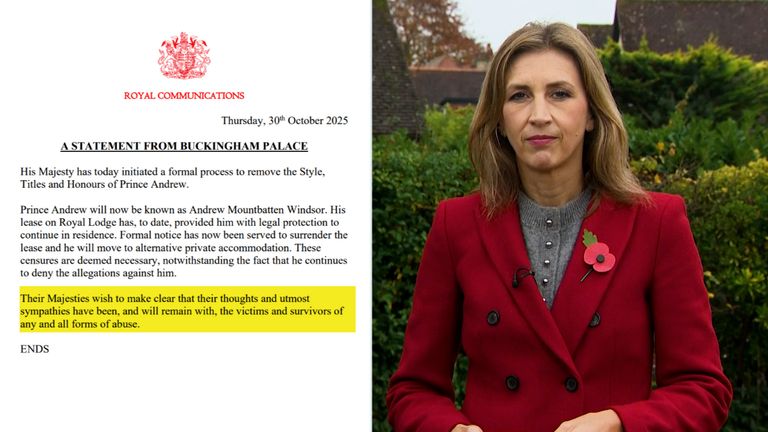
Statement from the Buckingham Palace. // Rhiannon Mills OF Sky News
Nowhere is this tension more visible than on Prince Andrew Drive in Telford, Shropshire, where residents face a daily, low-grade embarrassment simply by stating their home address.

AD: Capeesh Restaurant

Pic: Sky News
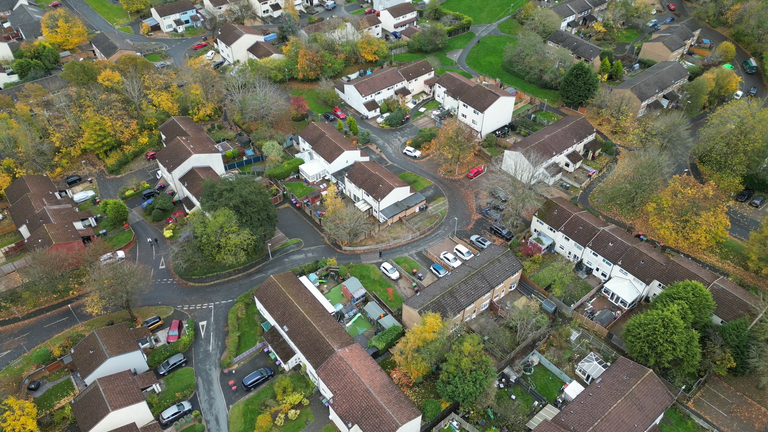
A bird’s eye view of Prince Andrew Drive. Pic: Sky News
While every resident interviewed by Sky News supported the King’s decision to strip Andrew Mountbatten Windsor of his titles and royal privileges, the community remains deeply divided on the immediate necessity of a Prince Andrew Road Renaming. This local debate highlights the fascinating psychological and logistical headache of erasing an unwelcome name from the public sphere.
For residents like Shirley, who has lived on the street for 35 years, the connection has become unbearable. She candidly admitted, “I hate it,” explaining how every time she provides her address, she receives a snide remark or an unwelcome joke at her own expense.
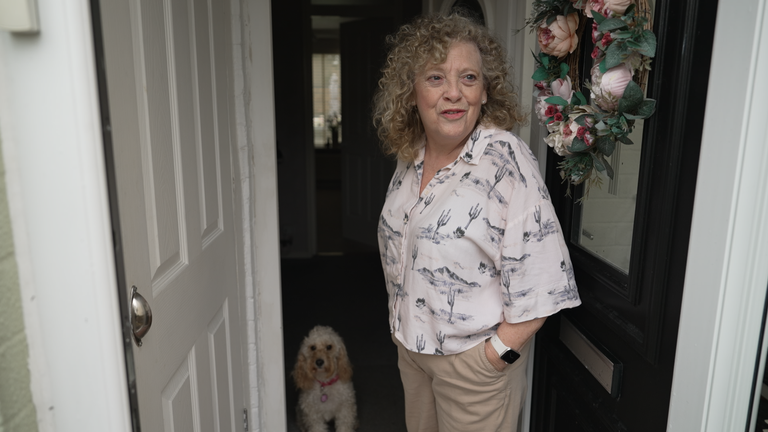
Shirley is one of the residents calling for the street to be renamed. Pic: Sky News
As the national scandal surrounding Andrew deepened—fueled by his association with convicted sex offender Jeffrey Epstein—the situation became increasingly mortifying for her and many neighbours. A few years ago, another resident started a petition to change the name, and someone even covered up part of the street sign in an act of protest. Shirley is firmly in favour of change, stating simply, “I think we should change it,” though she struggled to suggest an alternative.

AD: Oysterian Sea Food Restaurant And Bar
After careful consideration, she settled on Prince George Drive, believing the name at least “looks to the future,” embracing a younger, untainted generation of the Royal Family. This sentiment reflects a psychological need to shed the associative stigma that comes with being linked, even remotely, to a figure universally condemned.
The emotional cost of the unwanted association is significant. Psychology experts suggest that continuously being forced to articulate an address tied to a figure of widespread moral condemnation creates a form of cognitive dissonance for residents. They dislike the man, yet their legal identity is bound to his name, causing low-level but persistent mental friction.
The overwhelming consensus across Prince Andrew Drive confirms this moral alignment; not one person disagreed with King Charles’s final, decisive step to oust his brother from Royal Lodge in Windsor. The King’s action demonstrated a necessary prioritisation of the monarchy’s survival over familial ties, a strategic move aimed at maintaining public support across the UK.
However, the question of the Prince Andrew Road Renaming is complicated by sheer logistical practicality. Linda Boden, a 45-year resident with her husband Phil, acknowledged the inevitability of the name change. “We have actually had the conversation this morning that the name of this road will get changed,” Linda noted, reflecting widespread community speculation.
Conversely, her husband Phil expressed a pragmatic indifference to the whole affair. “It’s just a name, it’s not the man,” he stated, reflecting a perspective that prioritises stability over sentiment. This tension between the psychological imperative for moral clarity and the practical inconvenience of administrative change defines the current stalemate. The Post Office’s view provides an insightful external perspective. Postman Gary admitted he giggles every time he makes deliveries there, feeling deeply for the residents: “It’s probably time it changed.”
The moral dimension of the debate gained sharper focus from residents living nearby. Julie Harper, who resides on the adjacent Queen Elizabeth Way, voiced strong approval for the monarch’s recent intervention, calling it the “best decision ever.” She stated her sympathies lay unequivocally “with anybody who has been sexually exploited,” delivering a blunt and crucial reminder of the true victims of the scandal.
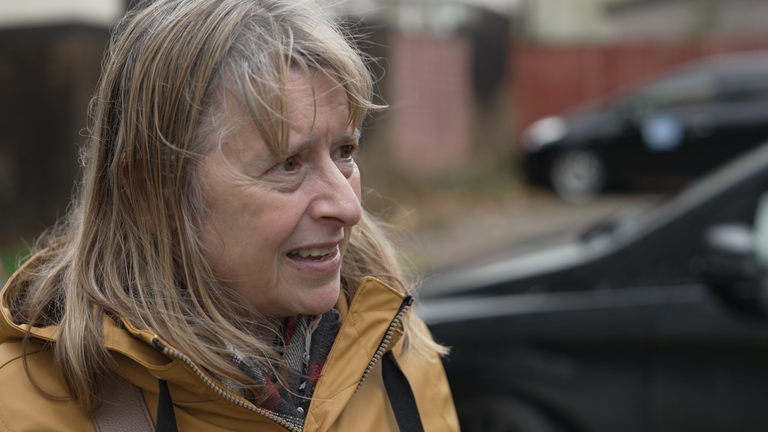
Julie lives on the nearby Queen Elizabeth Way and suggests a renaming that would stick to the royal theme. Pic: Sky News
Julie proposed Princess Anne Drive as a suitable, royal-themed replacement, praising the Princess Royal as “one of the better ones.” Another nearby resident, Cheryl, echoed this sentiment. She insisted that what truly mattered were the victims of the Jeffrey Epstein scandal, particularly the late Virginia Giuffre. “That poor girl needs justice,” Cheryl emphasised, highlighting the public desire for accountability that transcends trivial name changes.
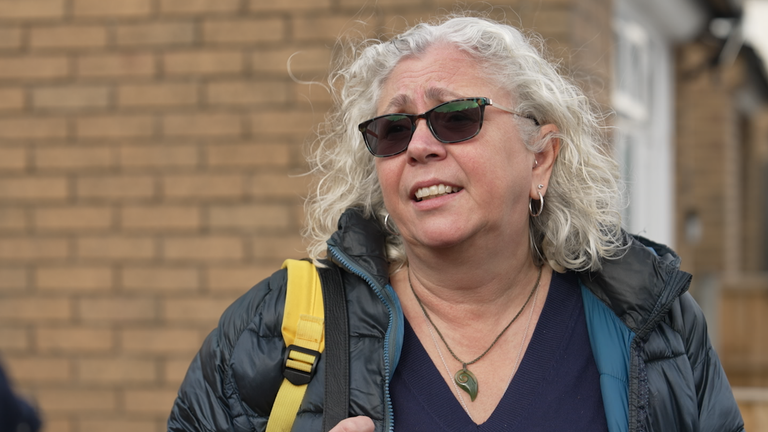
Cheryl’s focus is on Virginia Giuffre. Pic: Sky News
Logistically, the process of Prince Andrew Road Renaming remains a significant hurdle for both the local council and the homeowners. Changing a street name triggers a massive administrative headache for everyone involved. Residents face the prospect of amending crucial documents, including household bills, financial records, and driving licences, an unwelcome bureaucratic burden designed for them to save face.
This practical consideration often cools the enthusiasm of even those who despise the name’s association. King Charles’s decisive action, which directly removed his brother’s titles and royal standing, provides a powerful symbolic solution, yet it requires local authorities to handle the physical and administrative remnants of the disgrace.
The continued high-profile scrutiny of the former Duke further necessitates this overdue name change. Residents fighting for dignity and psychological comfort can also find information on advocacy groups working for survivors of sexual abuse.

AD: Heritage And Restaurant Lounge Bar


