

By Sheila McKenzie-
The national inquiry into the widespread grooming gangs scandal is facing accusations of “descending into chaos” following the sudden resignation of three key survivors from its liaison panel. Prominent survivors Fiona Goddard and Ellie Reynolds, along with a third individual known only as Elizabeth, have all stepped down in recent days, citing profound concerns over how the process is currently being managed.
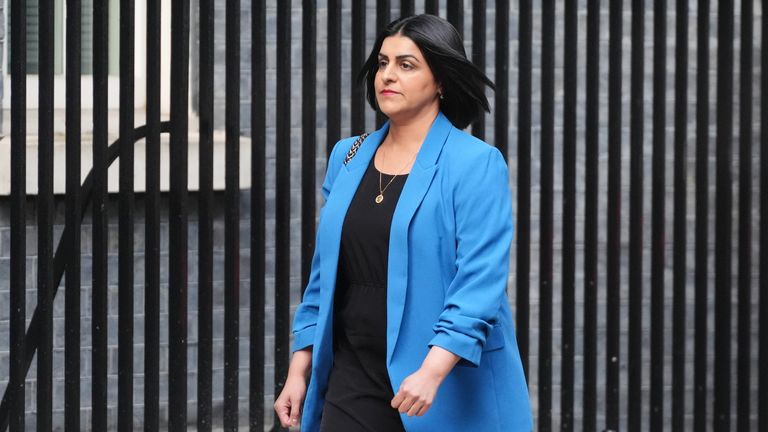
Shabana Mahmood enters Downing Street after being appointed home secretary. Pic: Sky News
The resignations cast a long shadow over the proceedings, generating significant political pressure on the Home Office just months after the national probe was initially announced in June. Furthermore, the exodus has intensely scrutinised the fundamental Grooming Gangs Inquiry Integrity before it has even officially begun its critical work. Home Secretary Shabana Mahmood has now publicly issued a forceful defense of the probe’s future, attempting to reassure victims and the public that the investigation will not be weakened.

AD: Capeesh Restaurant
The central source of survivor frustration centers around fears the inquiry’s scope might be improperly broadened. Survivors specifically worry about moves to dilute the inquiry by pushing its remit beyond group-based sexual abuse, alongside suggestions that it should adopt a regional rather than a truly national focus. Ellie Reynolds stated her “final turning point” involved the push to expand the inquiry’s remit in ways that, she believes, could “downplay the racial and religious motivations behind our abuse.”
Fiona Goddard resigned, citing a “toxic, fearful environment” characterized by “condescending and controlling language” directed toward the survivors themselves. This unsettling environment, coupled with ministerial comments disputing allegations of dilution, only exacerbated mistrust. Home Office minister Jess Phillips had publicly insisted the fears about dilution were “untrue,” prompting a fierce social media response from Goddard, who publicly stated, “This is a lie.” These serious accusations of a strained internal relationship demonstrate the severe challenges facing the Grooming Gangs Inquiry Integrity.
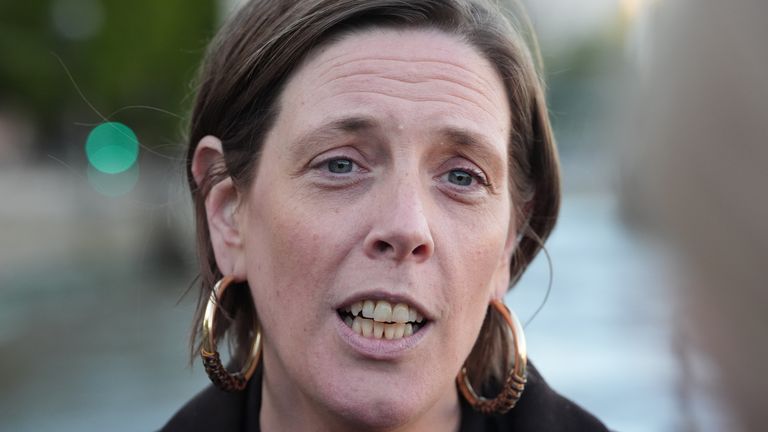
Home Office minister Jess Phillips. Pic: PA
Responding directly to the escalating criticism and the devastating survivor resignations, Home Secretary Shabana Mahmood used an article in The Times to issue an uncompromising pledge. She acknowledged the deep frustrations regarding the inquiry’s slow pace since its announcement but vowed its core scope “will not change.” Mahmood asserted that the probe “will never be watered down on my watch,” promising it would leave “no hiding place” for those involved in the despicable scandal. The Home Secretary emphatically pushed back against the sanitized language often used to describe the offenses, writing, “We must call them what they were: evil child rapists.”

AD: Oysterian Sea Food Restaurant And Bar
To directly address the survivors’ primary demands, Ms. Mahmood confirmed the inquiry will be absolutely “robust and rigorous,” equipped with the power to compel witnesses to give evidence. Crucially, she insisted the probe will examine the ethnicity and religion of the offenders, a key point survivors feel must be explored to understand the dynamics of the abuse fully. She reiterated that she owes it to the survivors and the entire country to answer the grave concerns they have raised, regardless of whether they choose to return to the liaison panel. She stated that the door “will always remain open to them” if the survivors decide to participate again.
This promise to maintain the inquiry’s comprehensive powers, focusing on how “some of the most vulnerable people in this country” were abused, represents the Home Office’s strongest commitment yet to upholding Grooming Gangs Inquiry Integrity. The initial pool of potential chairs also caused friction; after Annie Hudson withdrew, former police chief Jim Gamble remains a leading candidate, despite some survivors expressing concern that candidates from policing and social work backgrounds might present conflicts of interest.
The pressure on the Government to get this inquiry right is immense, given the decades-long failure of authorities to protect victims across multiple cities and towns. The survivor concerns highlight a persistent fear that the inquiry, initially intended to be national in scope, might be diluted into a collection of regional case studies, thereby obscuring systemic failures. This national inquiry must therefore be comprehensive, moving beyond local issues to identify widespread institutional shortcomings across policing, social services, and local government. The focus needs to remain firmly on the abuse suffered by some of the UK’s most vulnerable citizens.
The importance of examining the motivations and affiliations of the offenders, as advocated by Ellie Reynolds and others, is paramount to understanding the nature of the organized abuse that took place. Consequently, the Home Secretary’s public guarantee regarding the examination of ethnicity and religion will be closely monitored by survivor groups and the media. Every step of the inquiry’s progress will require transparent communication and collaborative engagement to overcome the current crisis of confidence. The ultimate success of the probe depends on achieving, and maintaining, the crucial Grooming Gangs Inquiry Integrity. Ensuring this process delivers justice and systemic change for the victims requires the government to prove its commitment is absolute and unwavering.

AD: Heritage And Restaurant Lounge Bar


