

By Gabriel Princewill-
Former Home Secretary Lord Blunkett has been appointed to chair a major new body, the Police Leadership Commission, established by the College of Policing with full support from the Home Office. This crucial initiative will examine the development of leadership skills at every level of the police service.
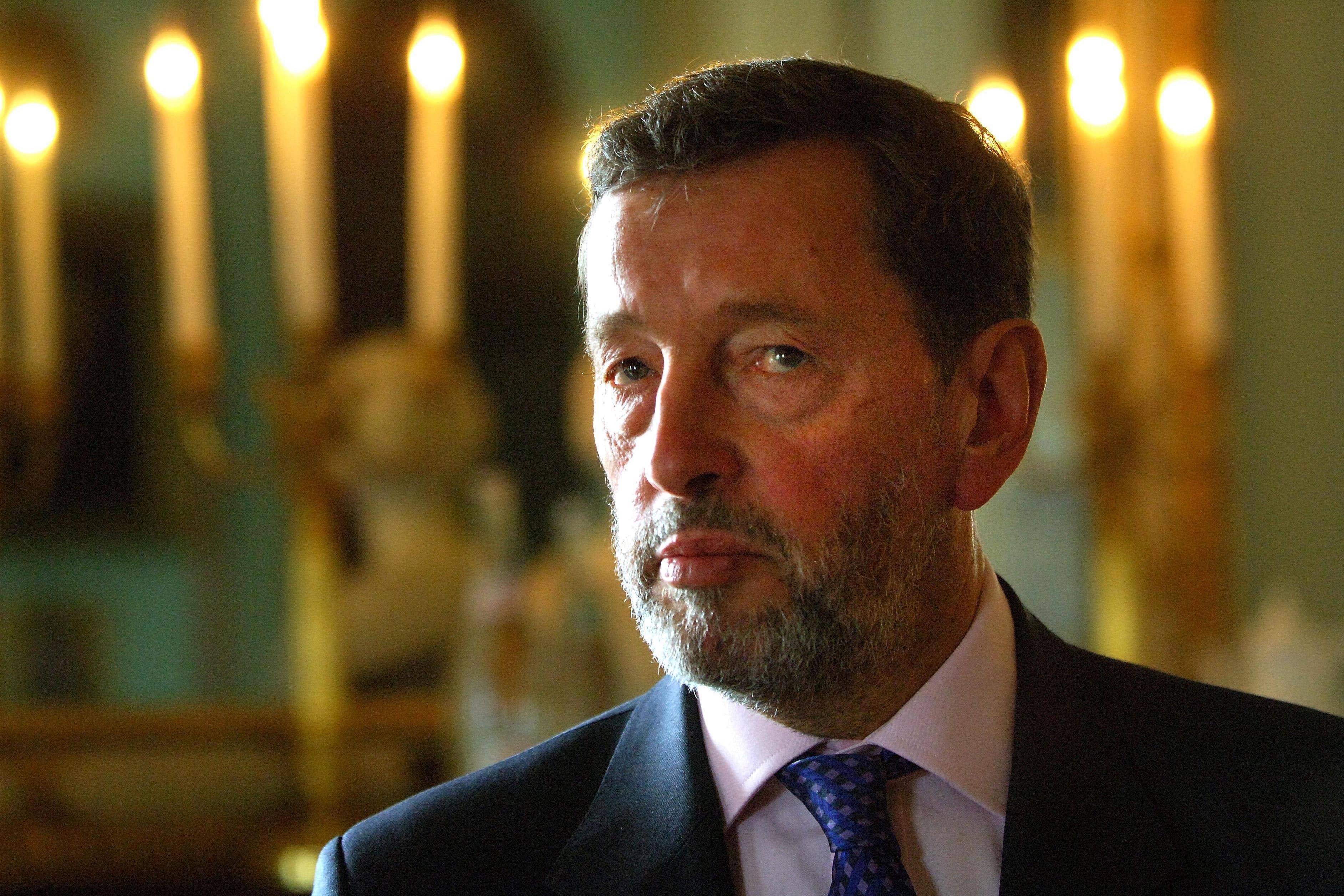
Former home secretary Lord David Blunkett will chair the Police Leadership Commission. Pic: PA
The Commission’s formation comes at a watershed moment for UK policing, directly supporting the government’s comprehensive police reform agenda, with a White Paper expected for publication later this year. Lord Blunkett spoke candidly about the Commission’s importance, emphasizing that the system’s efficacy hinges entirely on public faith. “When communities believe police actions are fair and just, policing works,” he declared, “When that trust erodes, the entire system is at risk.”

AD: Capeesh Restaurant
The need for this intense scrutiny has become increasingly clear. A series of damaging, high-profile incidents has severely undermined public confidence in the police service across the nation. The announcement regarding the Police Leadership Commission coincides with a period of intense scrutiny for policing, marked by a series of recent controversies, including a particularly disturbing undercover investigation that exposed Metropolitan Police officers at Charing Cross police station making deeply troubling racist and violent remarks. The damning footage raised fresh questions about culture and standards at Britain’s biggest police force, with officers also filmed making sexualised comments, appearing to dismiss a rape complaint and boasting about the use of force against detainees.

Sarah Everard was abducted and murdered by a serving police officer. Pic: PA Media
The spotlight on police corruption and standards intensified following the 2021 abduction, rape, and murder of Sarah Everard, 33, by serving Met officer Wayne Couzens, who exploited his warrant card. A subsequent, critical inquiry revealed a concerning lack of preventative measures, highlighting the potential for another individual like Couzens to operate undetected within police ranks. The inquiry, led by Lady Elish Angiolini, unequivocally stated that Couzens should never have been cleared for officer status. It strongly recommended a complete overhaul of police vetting and recruitment processes, citing a pattern of missed warning signs.
The latest annual assessment from His Majesty’s Chief Inspector of Constabulary, Sir Andy Cooke, emphasized the fundamental importance of strong, ethical leadership in determining efficiency and effectiveness.

AD: Oysterian Sea Food Restaurant And Bar
Public confidence that local police forces will deal effectively with crime has fallen significantly over the past five years. New systemic issues are complicating the landscape, including high turnover rates among chief constables. Therefore, the Police Leadership Commission is urgently needed to provide a pathway toward cultural and operational repair.
The Commission’s work is designed to draw together a diverse array of experts, including current police leaders, private sector specialists, academic researchers, and senior military figures. They will collectively review current leadership capabilities and existing training programmes. This expansive approach seeks to determine precisely what the police service requires to ensure it is equal to the increasingly sophisticated demands of the future.
The terms of reference require the Police Leadership Commission to consider the specific skills and capabilities necessary for leaders of all ranks to perform and deliver services effectively. Their methodology involves drawing on the best evidence of successful leadership development from both the public and private sectors, including international models. The Commission said it will also thoroughly review current training regimes and examine how the performance of officers and staff is appraised across all forces.
Policing and Crime Minister, Sarah Jones, underscored the government’s investment in this reform, stating that leaders at every rank fundamentally “shape the culture of their workforces.” She explained that leaders set the expectations that all officers and staff must follow, concluding that when standards slip, public confidence in the police will inevitably fall.
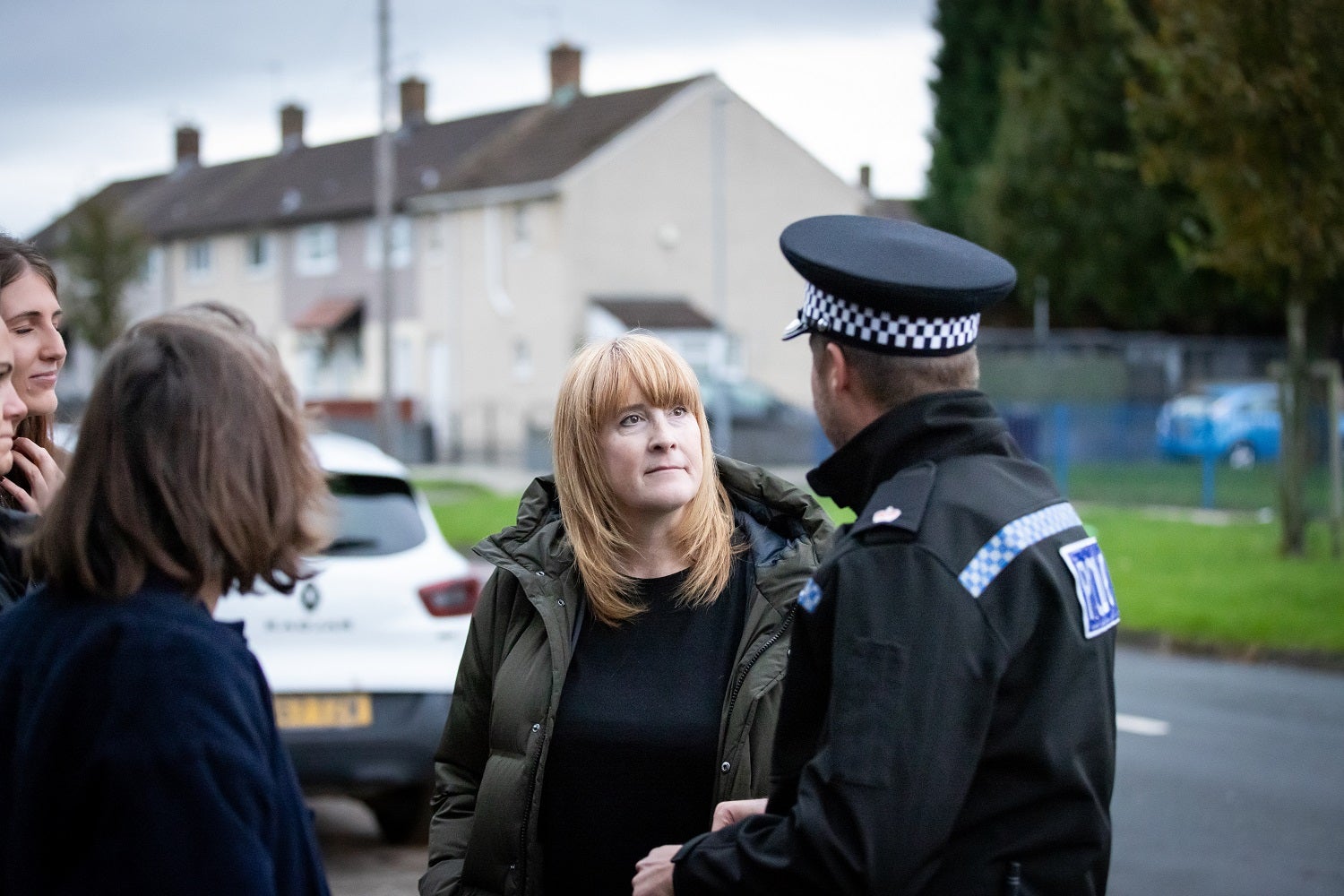
Crime and policing minister Sarah Jones said ‘when standards slip, confidence in the police falls’. Pic: Home Office/PA Wire
The Home Office views the outcome of the Police Leadership Commission as absolutely vital to ensuring forces possess the required leadership skills to fight modern crime and protect their communities. Improving public trust depends directly on demonstrating high standards, integrity, and a positive culture that is established from the top down.
Lord Blunkett noted the increasing sophistication of digital crime and the alarming persistence of violence against women and girls, stressing these challenges demand truly exceptional leadership at every level. The Commission will ultimately produce a blueprint focused on creating a long-term leadership framework .
The composition of the Police Leadership Commission reflects its ambition to instigate deep, systemic change. Members include influential figures such as former New York City Police chief Bill Bratton; the Chief Constable of Greater Manchester Police, Sir Stephen Watson; and the Commandant of the Royal Military Academy Sandhurst, Major General Nick Cowley.
Lord Herbert of South Downs, the Chair of the College of Policing, will co-chair the Commission alongside Lord Blunkett. This broad coalition of experience is expected to guarantee the efficacy of the Commission to evaluate complex issues, offering practical and innovative recommendations.
. The Commission will consult widely through formal evidence sessions, utilizing professional reference groups to ensure that key policing organizations and experts can closely monitor progress and feed in their views throughout the process. The Police Foundation will serve as the Commission’s dedicated research partner, providing robust, independent data.
The Police Leadership Commission said it will critically examine current entry routes into policing. It will consider potential alternative models designed to attract, fast-track, and develop the brightest talent necessary for future leadership roles.
The review will also assess the impact of police reforms enacted to date, the current level of investment in leadership development programs, and the balance between nationally set guidelines and local force initiatives.
Lord Blunkett confirmed the Commission’s goal is straightforward: to create a blueprint for police leadership that guarantees this vital public service is equal to future demands, successfully cuts crime, and keeps the public safe. The Commission is scheduled to report its findings in May next year, aiming to produce a comprehensive, long-term plan for meaningful reform.
The ultimate success of the Police Leadership Commission will be measured by its ability to demonstrably improve the integrity and effectiveness of policing, thereby restoring the fractured trust communities currently hold in their officers.

AD: Heritage And Restaurant Lounge Bar


