

By Ben Kerrigan-
Glasgow, the Scottish metropolis, currently holds the designation as Britain’s asylum seeker capital, absorbing a volume of asylum applicants far exceeding any other local authority in the United Kingdom.
City officials report the financial burden of accommodating this large population has reached crisis levels, with spiralling costs now demanding approximately £4.5 million per month.

AD: Capeesh Restaurant
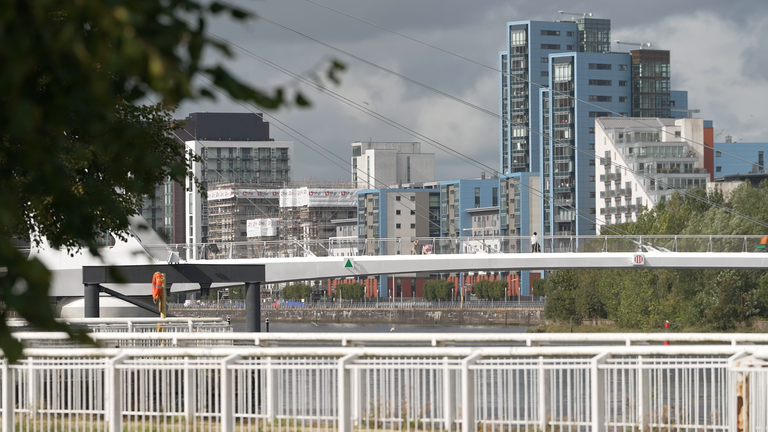
Accommodation costs for asylum seekers in Glasgow have risen to £4.5m a month. Sky News
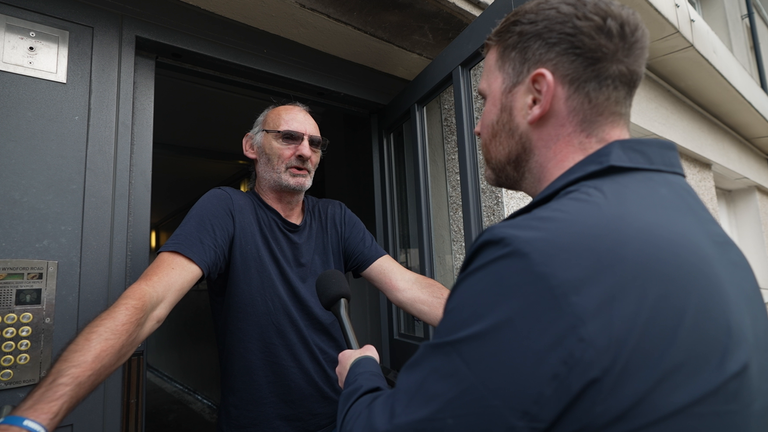
‘There’s too many people coming in,’ says George from Glasgow. Sky News
Consequently, leaders are officially pleading with the Westminster government for immediate financial assistance and a temporary suspension of the Home Office’s decades-old dispersal system, which originally saw the city sign up to the scheme in 1999.
That initial agreement occurred during a bygone era when abundant high-rise housing simplified the logistical process, a stark contrast to modern-day pressures exacerbated by major regeneration and demolition projects.
Furthermore, Scotland’s unique and more generous homelessness legislation requires local councils to house anyone without a home, regardless of “priority need,” a policy differing significantly from the protocol followed in England.

AD: Oysterian Sea Food Restaurant And Bar
These overlapping factors—combined with the Home Office’s “mass processing” of the lengthy asylum backlog—contribute to a critical strain on local services, including housing and healthcare provision.
Importantly, one Glasgow mother, living on the Wyndford estate, spoke candidly about feeling overlooked, stating her disabled older son cannot secure a house while newly arrived people appear to receive accommodation with little difficulty. Authorities must effectively communicate the immense complexity and nuance behind these infrastructural challenges.
Misinformation and the Battle for the Narrative in Britain’s Asylum Seeker Capital
Despite the legitimate concerns surrounding public service capacity, expert opinion suggests a significant portion of the rising local hostility is actually fuelled by widely circulated but inaccurate claims.
Immigration lawyer Andy Sirel of Just Right Scotland vehemently corrected the misleading rhetoric concerning economic impact. He clarified that asylum seekers legally residing in the United Kingdom are explicitly banned from working or claiming mainstream benefits, receiving only a nominal allowance of around £9 per week.

There are misconceptions about the support for asylum seekers, says immigration lawyer Andy Sirel. Sky News
Accordingly, Sirel stated plainly, “They are not stealing your jobs,” underscoring how various political actors are dangerously using the issue as a convenient scapegoat for suffering standards of living and public service decline.
This battle over the narrative has manifested in volatile public demonstrations across the region, especially in the nearby town of Falkirk, where a dilapidated hotel houses numerous asylum seekers.

Tensions over the asylum hotel in Falkirk have been rising.. Image:Sky News
Shockingly, protests outside the hotel have seen violent acts, including a brick being thrown through a window, and the public display of despicable far-right symbolism, which First Minister John Swinney subsequently condemned.
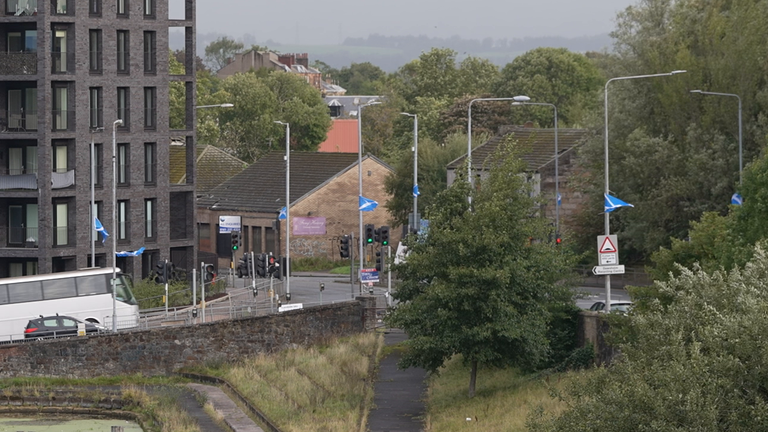
Streets across Glasgow are filling with flags hanging from lampposts. Image: Sky News
Conversely, local community groups like ‘Falkirk For All’ have organised counter-protests, chanting that “refugees are welcome here” and demonstrating essential solidarity with the hotel residents. Britain’s asylum seeker capital is therefore experiencing a deep social schism.
Leading migration expert Dr. Teresa Piacentini from Glasgow University emphasised that claiming asylum represents a legal entitlement, not an illegal act, further combating the simplification and weaponization of legal terminology in public discourse. The growing crisis requires a serious re-evaluation of the UK’s National Asylum Dispersal Strategy.

AD: Heritage And Restaurant Lounge Bar


