
By Theodore Brown-
The 2026 Met Gala has officially begun unfolding at the Metropolitan Museum of Art in New York, with celebrities, designers, and cultural figures preparing for a red carpet defined by bold interpretation and theatrical imagination under this year’s theme,
“Fashion Is Art.” Early arrivals and behind-the-scenes preparations signal a night where clothing is expected to move beyond decoration and into full artistic expression, as guests step into one of fashion’s most scrutinised global stages.

AD: Capeesh Restaurant
This year’s event marks another chapter in the evolution of the Met Gala, widely regarded as fashion’s most prestigious night and a major fundraising benefit for the museum’s Costume Institute. Held annually on the first Monday of May, the gala serves as the opening celebration for the Institute’s spring exhibition, and each year’s theme sets the tone for what guests are expected to wear.
In 2026, the guiding concept “Fashion Is Art” is tied to the exhibition “Costume Art,” which explores the relationship between clothing and the human body as a canvas for artistic expression.
The theme encourages attendees to treat fashion not as trend or costume, but as a form of visual art in itself something that is expected to result in sculptural silhouettes, experimental tailoring, and avant-garde designs that blur the line between garment and installation.

AD: Oysterian Sea Food Restaurant And Bar
Inside and around the Metropolitan Museum of Art, anticipation has been building for hours as stylists finalise looks and celebrities prepare for their red carpet moments. Coverage of arrivals from the Mark Hotel and the Carlyle Hotel shows the familiar choreography of the Met Gala beginning to take shape, with security, assistants, and fashion teams carefully coordinating each step before the public unveiling.
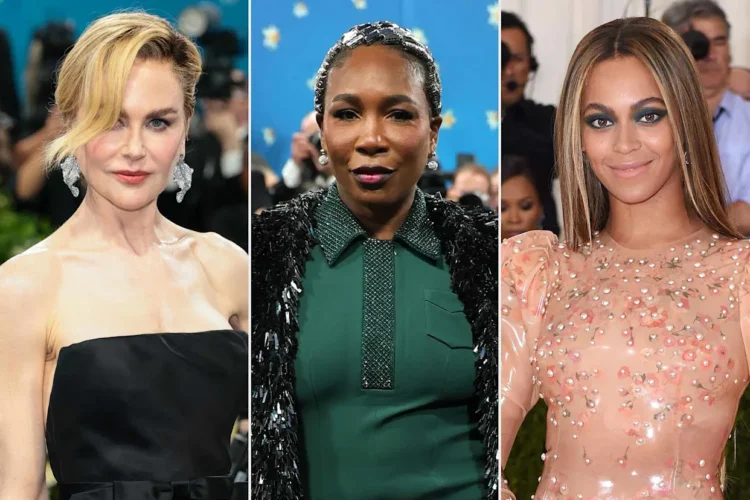
This year’s co-chairs including Beyoncé, Nicole Kidman, Venus Williams, and longtime organiser Anna Wintour are expected to set the tone for a night heavily focused on conceptual fashion and artistic storytelling.
According to pre-event descriptions, guests have been encouraged to approach dressing as an act of interpretation rather than imitation, with designers drawing inspiration from anatomy, sculpture, and classical art forms.
The “Fashion Is Art” brief has already sparked speculation across the industry, with fashion commentators predicting dramatic corsetry, illusion-based fabrics, architectural gowns, and designs that physically reshape the human silhouette.
Early reporting suggests that many attendees are embracing the challenge by working closely with designers to create custom pieces that are closer to wearable installations than traditional red carpet gowns.
The Met Gala continues to expand its cultural influence, evolving far beyond its origins as a New York fundraising dinner for the Metropolitan Museum of Art’s Costume Institute.
In this 2026 event, the Gala now operates as a global fashion moment where red carpet arrivals are broadcast and discussed in real time across digital platforms, reaching audiences far beyond the physical event in New York.
What was once a closed, elite gathering has become a highly visible intersection of fashion, celebrity culture, and online media, where each look is instantly analysed, shared, and debated worldwide. The publication also highlights how the event is designed for global viewing, with livestream coverage allowing audiences to follow the red carpet as it unfolds across YouTube, TikTok, and Vogue’s own digital platforms.
This shift has transformed the Met Gala into a real-time digital spectacle, where fashion is no longer confined to the steps of the Metropolitan Museum but amplified through global streaming and social media engagement, drawing millions of viewers into what has become one of the most widely consumed cultural events in the world.
While the public sees only the red carpet transformation, the hours leading up to it are marked by intense coordination. Stylists, designers, and assistants work in tightly controlled environments to ensure that each look is transported, adjusted, and worn exactly as intended.
The logistics of Met Gala dressing are notoriously complex, with many outfits requiring structural assistance, hidden supports, or last-minute tailoring just to function in motion.
Industry insiders describe the Met Gala as a “live performance of fashion,” where movement, lighting, and photography are all part of the final presentation. Designers often engineer garments specifically for the staircase of the Met, anticipating how fabric will catch flash photography or how silhouettes will appear in motion under cameras lining the entrance.
The anticipation surrounding this year’s Met Gala is heightened by its thematic focus on the body as a central artistic canvas. The accompanying Costume Institute exhibition, Costume Art, explores the relationship between clothing and the human form by pairing garments with artworks that highlight how fashion shapes, alters, and defines bodily identity.
The exhibition is structured around different representations of the body, including anatomical and historical interpretations, reinforcing the idea that dress is inseparable from physical form.
This conceptual foundation is expected to influence how guests approach the red carpet, with early commentary suggesting that designers and attendees are leaning into sculptural silhouettes and experimental constructions that challenge conventional proportions.
Through treating clothing as an extension of artistic expression, the theme encourages a reimagining of the body itself, turning fashion into a medium that actively reshapes visual perception on one of the world’s most scrutinised stages.
However, the event remains about artistic risk. The challenge of translating “Fashion Is Art” into wearable form pushes designers and celebrities alike into unfamiliar creative territory. Whether those risks are celebrated or critiqued will unfold in real time as the night progresses.

AD: Heritage And Restaurant Lounge Bar
What is clear is that the 2026 Met Gala is more than just a red carpet occasion; it is a crafted intersection of art, identity, and spectacle, where fashion serves as both form and communication beneath the globe’s most examined spotlight.
It operates as a highly choreographed cultural performance in which every garment is designed not only to be worn, but to be interpreted, photographed, and dissected in real time by a global audience.
The event compresses the timelines of fashion production, criticism, and consumption into a single evening, where months of design work are distilled into moments measured in seconds as guests ascend the museum’s iconic staircase.
Within this setting, designers and celebrities collaborate to produce looks that function as visual arguments statements about history, body, politics, and creativity while also responding to the expectations of media amplification and digital virality.
The red carpet becomes a temporary exhibition space, where clothing is no longer static but activated by movement, light, and camera flash, transforming wearers into living installations. In this way, the Met Gala blurs the boundaries between runway, museum gallery, and performance art.
The event reflects the evolving nature of cultural consumption, where social media platforms extend its reach far beyond New York, turning each appearance into globally circulated imagery within seconds. What emerges is not just a celebration of fashion, but a real-time negotiation between artistry and attention, tradition and innovation, individuality and spectacle.
In this convergence, the Met Gala reinforces its role as a defining moment in the cultural calendar, where fashion is elevated into a shared language through which identity and imagination are continuously reinterpreted on the world stage.