
By Ben Kerrigan-
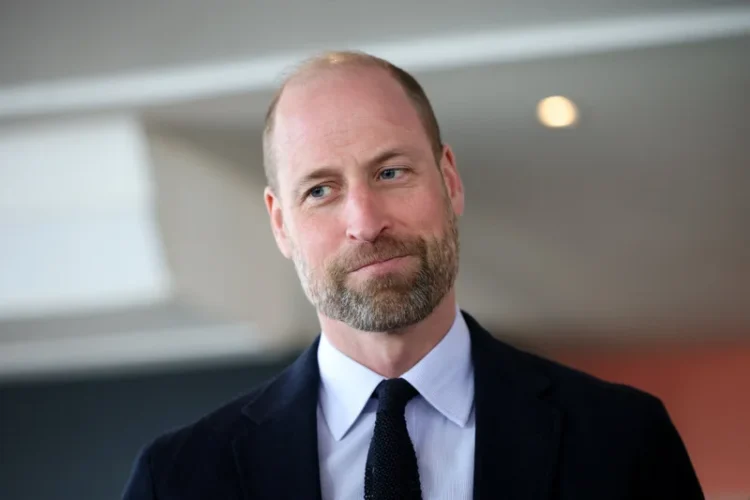
While the United Kingdom prepares for a new chapter in its monarchy, Prince William has offered an unexpected yet deeply meaningful affirmation of his spiritual outlook and his relationship with the Church of England. Though he is not known as a regular churchgoer in the mould of his father, King Charles III, or his late grandmother, Queen Elizabeth II, William has articulated a sincere, personal commitment to the Church that goes beyond weekly pew‑sitting.
This positioning comes at a moment when the role of faith in public life is both evolving and under scrutiny. Reports indicate that William, 43, embraces what he describes as a “quiet faith,” acknowledging that he does not attend services with the regularity of some of his predecessors but expresses a heartfelt dedication to the spiritual heritage that has shaped the British monarchy for centuries. His comments are widely seen as a thoughtful effort to balance tradition with contemporary attitudes toward religion in modern Britain.

AD: Capeesh Restaurant
William’s declaration of commitment arrives as he prepares to take on some of the most visible religious responsibilities of the future sovereign, including the role of Supreme Governor of the Church of England a title that binds the monarch constitutionally to the Anglican faith. Although the position today is largely ceremonial, it remains a potent symbol of the historical bond between the Crown and the Church.
In recent public statements, the Prince of Wales has emphasised that his connection to the Church is rooted in personal conviction rather than ritual obligation. According to insiders, he is keen to “build a strong and meaningful bond” with the Church’s leadership and its community, even as he navigates a busy royal schedule that does not always lend itself to weekly worship.
His approach appears to reflect a broader societal shift: many Britons identify culturally with the Church of England its history, its role in national ceremonies and its presence in moments of personal significance such as weddings, funerals and royal occasions without attending services regularly.

AD: Oysterian Sea Food Restaurant And Bar
William’s position may resonate with this segment of the population, signalling a more inclusive understanding of faith that respects both tradition and the lived reality of many in the 21st century.
Central to this evolving narrative is William’s engagement with the Church’s new leadership. His recent meetings with Dame Sarah Mullally, the first female Archbishop of Canterbury, underline a shared interest in ensuring the Anglican Church remains relevant, compassionate and connected to wider society.
The Archbishop’s installation an event William is expected to attend is being watched as a moment that could mark a renewal of the relationship between the monarchy and the Church.
Observers note that this shift comes after a period of speculation about how William might approach his future religious role. In many years, some commentators suggested that his personal faith was less pronounced than that of past monarchs, in part because he has publicly acknowledged that he does not attend church services regularly.
However, William’s recent statements and actions suggest a commitment not just to the institution, but to deepening his understanding of its spiritual mission.
Bridging Tradition And Contemporary Faith
William’s stance illustrates a nuanced understanding of the role faity plays in a changing cultural and religious landscape. In a society where church attendance has declined in recent decades and secularism has grown, the prince’s expression of faith seems designed to honour tradition while acknowledging contemporary realities.
The Church of England, established in the 16th century and long intertwined with the history of the British state, still plays a significant ceremonial and cultural role in national life. With its future Supreme Governor, William’s commitment signals to both the Church and the wider public that he respects that legacy.
His personal articulation of faith also comes at a time when the Anglican Communion of which the Church of England is a cornerstone faces its own internal challenges and debates over doctrine, membership and social relevance. Leaders within the Church have spoken openly about the need to adapt and engage with modern society while remaining true to core beliefs.
William’s position, as a member of the royal family with a platform to influence public perception, may help bridge the gap between tradition and modernity.
Prince William’s commitment to the Church of England is defined not by how often he attends Sunday services, but by the seriousness with which he engages with the moral and spiritual dimensions of his future role. His “quiet faith” is believed to reflect a thoughtful consideration of purpose, duty, and belonging, emphasising the responsibilities that come with his position rather than ritual observance.
The Royal family are likely to view the Church as remaining a vital moral compass and a source of community, providing guidance and continuity in a rapidly changing society. This perspective underscores a modern approach to faith one rooted in reflection, responsibility, and service demonstrating that spiritual devotion can take many forms beyond the walls of a church.
At a time when the role of religion in public life is continuously reassessed, William’s approach could resonate with a wide audience not only with those who share his faith, but also with those who see value in the cultural and historical traditions of the Church, even if they are not regular worshippers themselves. His journey reflects a broader shift in how faith is lived and expressed in a society that honours its past while adapting to its present. Analysts believe that whilst William continues to define his identity as a future monarch, his evolving relationship with the Church of England stands as a symbol of continuity and change, balancing deep respect for heritage with an understanding of a rapidly changing world.
His approach reflects an awareness that the monarchy today must honour centuries of tradition while also engaging meaningfully with a society that has grown increasingly diverse in its beliefs and values.
In this light, William’s faith is less about formal ritual and more about the principles and responsibilities that come with his position. It underscores the idea that the symbolic role of the monarch in the Church is as much about moral leadership, national cohesion, and public service as it is about personal worship.
This measured, thoughtful approach is evident in William’s interactions with Church leaders, including his support for initiatives addressing social issues and community wellbeing. When engaging in dialogue with clergy, attending key ceremonies, and championing causes aligned with the Church’s mission, he demonstrates a faith lived through action and responsibility rather than attendance alone.
His public statements suggest that he sees the Church not merely as a religious institution but as a cornerstone of national life a moral framework through which the values of compassion, duty, and service can be conveyed to the wider population. William’s stance therefore resonates with a generation of Britons who identify culturally or morally with the Church without being regular worshippers. Through embracing a “quiet faith,” he bridges the gap between institutional tradition and contemporary spirituality, showing that devotion can take many forms.
In doing so, the future king signals a monarchy that respects its sacred heritage while adapting to modern expectations, projecting an image of leadership grounded in both ethical conviction and pragmatic understanding. His evolving faith thus becomes a lens through which the future of the British monarchy and its relationship with society may be understood.

AD: Heritage And Restaurant Lounge Bar