
By Theodore Brown-
A dramatic escalation in rhetoric between Donald Trump and Ebrahim Raisi has intensified fears of a broader regional conflict, after Tehran dismissed Washington’s warning of strikes on Iranian power plants as a sign of “desperation,” according to multiple reports including coverage from Yahoo News.
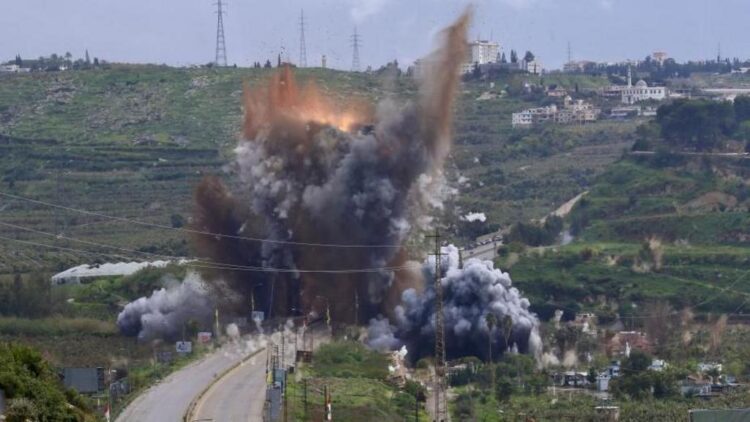
The confrontation follows a stark ultimatum from Trump, who warned Iran it has 48 hours to reopen the Strait of Hormuz or face attacks on critical energy infrastructure. The US president explicitly threatened to strike Iran’s power plants if the strategic waterway remains restricted, raising the stakes in an already volatile standoff.

AD: Capeesh Restaurant
Iran’s response has been swift and defiant. President Raisi, in remarks carried by state media and echoed across international reporting, described the threats as evidence of weakness rather than strength. His government has framed the ultimatum as an attempt by Washington to regain control of a situation that is slipping beyond its influence.
The timing of the exchange is critical. The Strait of Hormuz, a narrow but vital shipping route through which around 20% of the world’s oil passes, has been severely disrupted amid the ongoing conflict. Oil prices have surged past $100 per barrel, sending shockwaves through global markets and raising fears of a prolonged energy crisis.
Trump’s warning included a pledge to “obliterate” Iranian power infrastructure if Tehran does not comply, marking a significant shift toward targeting civilian-linked systems. Iran, in turn, has threatened sweeping retaliation, including strikes on US-linked energy assets across the Middle East and even a full closure of the Strait of Hormuz.

AD: Oysterian Sea Food Restaurant And Bar
What distinguishes this phase of the crisis is the explicit focus on infrastructure essential to civilian life. Power plants are not only strategic assets but also the backbone of daily existence, supplying electricity to hospitals, water systems, and homes. Targeting them would risk severe humanitarian consequences and likely provoke global condemnation.
Reports indicate that US military planners have already considered such targets, particularly natural gas power stations that generate the majority of Iran’s electricity. Disabling them could lead to widespread blackouts, especially in major cities like Tehran.
Iranian officials have seized on this point, arguing that such threats expose what they describe as Washington’s “desperation.” Raisi’s government has pointed to earlier incidents, including alleged strikes on civilian infrastructure such as desalination plants, to argue that the US is willing to cross dangerous lines in pursuit of strategic goals.
At the same time, Tehran has issued stark warnings of its own. Military leaders have said any attack on Iran’s energy network would trigger retaliation not only against US forces but also against infrastructure in allied nations across the Gulf.
The implications of such a scenario are profound. A regional targeting energy facilities could disrupt global supply chains, intensify inflation, and destabilise economies far beyond the Middle East. Analysts warn that even the threat of such actions is enough to create volatility, with markets already reacting nervously to each new development.
With earlier US strikes and Iranian counterattacks setting the stage for the current confrontation. The latest threats, however, represent a sharp escalation in both tone and potential consequences.
Beyond the immediate military implications, the exchange between Trump and Raisi reflects a deeper battle over perception and leverage. Both leaders appear to be using rhetoric as a strategic tool, aiming to shape not only each other’s actions but also the reactions of domestic and international audiences.
With Trump, the ultimatum underscores a long-standing approach centred on pressure and deadlines. By setting a clear timeframe and outlining severe consequences, the US president may be seeking to force a rapid decision from Tehran. However, such tactics carry inherent risks. If the deadline passes without compliance, Washington will face a difficult choice between escalation and retreat.
Iran, meanwhile, has positioned itself as defiant and unyielding. While labelling the threats as desperate, Raisi is attempting to project confidence and rally both domestic support and international sympathy. The narrative suggests that Iran is resisting coercion rather than provoking conflict.
The role of media particularly fast-moving digital platforms has amplified the statements . Statements from both sides are rapidly disseminated, debated, and often intensified, creating an environment in which rhetoric can quickly translate into real-world consequences. There are growing fears among ordinary citizens, both within Iran and globally. In Iran, the possibility of strikes on power plants raises concerns about blackouts, water shortages, and further economic hardship. Elsewhere, rising fuel prices and market instability are already being felt by households and businesses.
Meanwhile, the broader conflict continues to exact a heavy toll. Thousands have reportedly been killed since hostilities escalated, and the risk of a wider regional war remains high.
Despite the escalating rhetoric, some analysts suggest that both sides may still be engaged in a form of strategic signalling rather than preparing for immediate action. The language of threats, they argue, can serve as a way to gain leverage in potential negotiations, but the margin for error is shrinking. Miscalculations, misunderstandings, or even isolated incidents could rapidly spiral into a larger confrontation. With deadlines looming and tensions rising, the situation remains precariously balanced.
While the world watches closely, one thing is clear: this is no longer just a dispute over a shipping lane or energy supplies. It is a high-stakes contest of resolve, perception, and power one in which the consequences of missteps could extend far beyond the region.
Now, the question is whether the crisis will de-escalate through diplomacy or intensify into direct conflict. But as Ebrahim Raisi’s remarks suggest, the battle is already being fought not just with weapons, but with words, each side seeking to define the narrative before events on the ground make that task impossible to control.
In Washington, Donald Trump and his advisers appear to be calculating how far rhetoric can be pushed to force concessions without triggering retaliation. Public ultimatums and stark warnings are designed to project strength, but they also narrow the space for quiet diplomacy.
Once a deadline is set and widely broadcast, stepping back can be framed as weakness, both domestically and internationally. This creates a dangerous momentum, where leaders may feel compelled to act simply to maintain credibility. In Tehran, the strategy is different but equally deliberate. While framing US threats as desperate, Iranian officials aim to undermine their legitimacy while reinforcing their own image of resilience.
State media and official statements emphasise sovereignty and resistance, attempting to rally public support while signalling to allies that Iran will not yield under pressure. The language is carefully chosen, not just to respond, but to shape how the confrontation is perceived across the region.
Meanwhile, diplomatic channels often invisible to the public are likely still active. Intermediaries in Europe and the Gulf may be quietly working to reduce tensions, exploring compromises that allow both sides to claim victory without escalating further. Yet these efforts must compete with the louder, more immediate impact of public statements, which can inflame opinion and limit room for manoeuvre.
Ultimately, the risk lies in miscalculation. When narratives harden and positions become entrenched, even a small incident can tip the balance. In such an environment, words are not just commentary they are catalysts, capable of steering events toward either restraint or confrontation.

AD: Heritage And Restaurant Lounge Bar