
By James Simons-
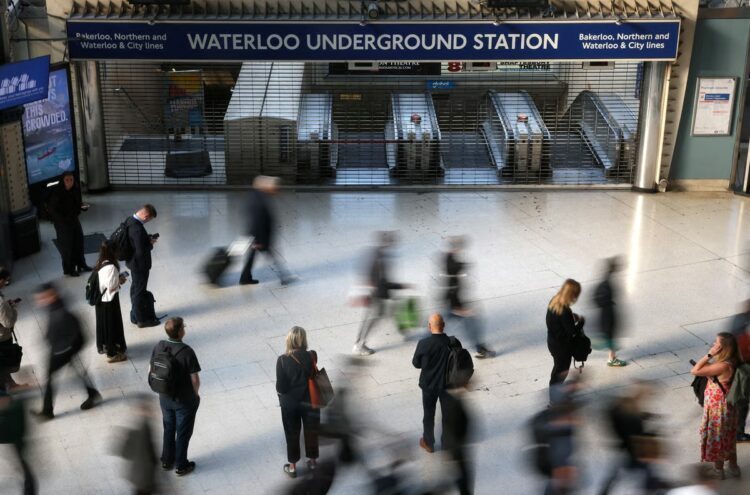
London is once again preparing for major travel disruption after the Rail, Maritime and Transport union (RMT) announced a wave of strike action that could severely impact the London Underground network over the coming months. The industrial action, spread across six separate days, is expected to create significant difficulties for commuters, businesses, and visitors navigating the capital.
The strikes are scheduled across March, April, and May and will involve 24-hour walkouts by Tube drivers, with services likely to be reduced or suspended across parts of the network. Transport experts say the disruption could ripple across the entire city, as passengers crowd buses, taxis, cycling routes, and national rail services in search of alternative ways to travel.

AD: Capeesh Restaurant
The decision follows an escalating dispute between the union and Transport for London (TfL) over changes to drivers’ working patterns. The RMT argues that proposed adjustments to shifts could negatively affect staff welfare and safety, while TfL insists the reforms are designed to modernise the network and improve flexibility.
According to reports, the announcement has raised concerns about another period of travel chaos similar to previous industrial disputes that periodically halted large parts of London’s transport system.
The six strike days will be staggered over several weeks, beginning later in March. Drivers will walk out starting at midday on March 24 and again on March 26, followed by further stoppages on April 21 and April 23, and finally on May 19 and May 21. Each strike will last 24 hours, though the knock-on effects are expected to disrupt services both before and after the walkouts.

AD: Oysterian Sea Food Restaurant And Bar
Transport analysts warn that while the strike days themselves are limited, their timing often overlapping with rush hours could produce widespread delays. Because train operations rely heavily on driver availability, even a partial walkout can dramatically reduce the number of trains running on key lines.
The RMT says around 1,800 Tube drivers are involved in the dispute. The union argues that TfL’s proposal to introduce a compressed four-day working week for drivers could lengthen shifts and increase fatigue, which it believes could ultimately impact safety on the network.
TfL, however, has defended its position, saying the changes would give drivers the option to work a four-day week while maintaining service levels. Officials insist that the plan is voluntary and intended to improve work-life balance rather than reduce staff protections.
Dispute Over Working Hours Sparks Standoff
At the heart of the dispute is a disagreement over how the London Underground workforce should operate in the future. The RMT maintains that the proposed scheduling changes could place additional pressure on drivers by altering shift lengths and potentially increasing workload during busy periods.
Union representatives say negotiations with TfL have failed to produce a compromise that addresses these concerns. In statements reported by several news organisations, union leaders argued that their members had overwhelmingly supported strike action after talks stalled.
Industrial relations between TfL and rail unions have been tense for several years, with disputes frequently centred on pay, staffing levels, and working conditions. Since the pandemic, London’s transport network has faced financial challenges as passenger numbers fluctuated and government support became a subject of political debate.
The latest strike announcement has reignited fears that prolonged industrial action could undermine efforts to restore stability to the network. London’s transport system remains one of the busiest in the world, with millions of journeys made every day across Underground lines, buses, and rail services.
The looming Tube strikes have already sparked concern among businesses across central London, particularly those in the retail and hospitality sectors that rely heavily on commuter and tourist footfall.
Trade associations have warned that repeated walkouts on London Underground services could “severely impact evening trade” as potential customers avoid central venues if transport links become unreliable, especially in key districts such as Covent Garden and Soho.
Restaurants, bars and shops are already considering strategies to cope with fewer visitors, from adjusting staffing levels to offering incentives, while some operators explore contingency plans to keep operations running if large numbers of workers cannot reach offices during strike days.
Industry voices have highlighted that transport disruptions often lead to reduced footfall and lower discretionary spending, directly affecting sales for businesses whose busiest hours coincide with peak commuting times.
With commuters, the strikes could mean longer journeys, overcrowded alternative routes, and unpredictable travel times. During previous Tube strikes, some Londoners turned to bicycles, e-scooters, and ride-sharing services to get around the city.
Transport authorities say they will attempt to keep as many services running as possible, but they acknowledge that the scale of the disruption will depend on how many drivers participate in the walkouts. In past strikes, some Underground lines were forced to suspend operations entirely, while others ran limited services.
Commuters are already being urged to monitor travel updates and allow extra time for journeys during the strike period.
London has experienced a number of major transport strikes in recent years, often triggered by disputes over pay, working hours, or job security. Each wave of industrial action tends to bring similar consequences: crowded buses, packed trains on unaffected routes, and long queues at taxi ranks.
With a city that relies heavily on public transport, even a short strike can disrupt daily life for millions of residents. During earlier disputes, some businesses encouraged employees to work from home or adjust working hours to avoid peak travel periods.
City officials are expected to issue detailed travel guidance ahead of each strike day. Advice typically includes avoiding unnecessary journeys, using alternative transport options, and checking live service updates before leaving home.
Despite the looming disruption, some analysts believe there is still a possibility that negotiations could resume and avert at least part of the strike schedule. Industrial disputes on the Underground have occasionally been resolved at the last minute following renewed talks between unions and transport authorities.
However, until a breakthrough occurs, Londoners may have to prepare for another stretch of transport uncertainty. Many commuters who rely on the Tube each day, the coming months could bring a familiar challenge: navigating the world’s most famous metro system when much of it is temporarily at a standstill.
Whether the strikes ultimately go ahead as planned or are resolved through negotiations, the announcement has already sent a clear signal that tensions between transport workers and authorities remain unresolved.
And for the millions who depend on the Underground to move through the city, the prospect of six days of disruption serves as a reminder of just how vital and fragile London’s transport network can be.

AD: Heritage And Restaurant Lounge Bar