
By Sammy Jones-
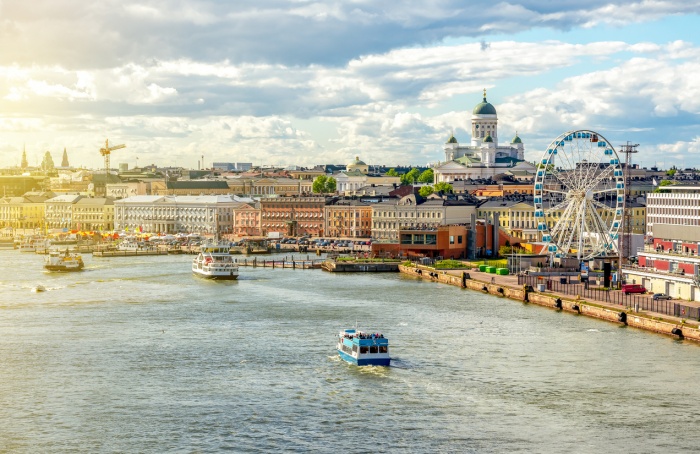
Across several European Union capitals, a new environmental analysis has revealed a startling and largely overlooked source of urban air pollution: passenger and vehicle ferries. Despite improvements in vehicle emissions standards and Europe’s long‑standing efforts to curb road transport pollution, sulphur oxides (SOx) toxic gases that contribute to respiratory illness and acid rain are being emitted in greater quantities by ferry traffic than by cars in cities such as Dublin, Helsinki, Stockholm and Tallinn. The findings have alarmed scientists, civic leaders and air quality advocates, who say that a major piece of the urban pollution puzzle has been understudied and under-regulated.
The analysis examines ferry activity in the 15 biggest port cities in the EU and estimates that ferries are a more significant source of sulphur pollution than road vehicles in 13 of them.

AD: Capeesh Restaurant
Sulphur oxides gases with a pungent smell often likened to burnt matches or rotten eggs react in the atmosphere to form fine particulate matter that penetrates deep into lungs and has been linked to cardiovascular and respiratory diseases.
European policymakers have long focused on cutting transport emissions from cars and trucks. Stricter tailpipe standards, electrification subsidies and urban low‑emission zones have helped reduce road‑based pollutants in many cities.
Yet the ferry fleets that ferry commuters and tourists across harbours continue to burn marine fuels with higher sulphur content, particularly outside designated Sulphur Emission Control Areas (SECAs) and when at sea, contributing to night‑time and waterfront smog that rivals that from road traffic.

AD: Oysterian Sea Food Restaurant And Bar
In capitals like Dublin and Stockholm, where ferries are a staple of daily life and tourism, local residents now confront a paradox: cities that pride themselves on green transport achievements are facing disproportionate sulphur pollution because of nearby maritime traffic.
Helsinki, which saw improvements in air quality after stricter sulphur limits in marine fuels were introduced in the Baltic Sea under the EU Sulphur Directive, demonstrated that regulatory action can make a difference but such measures have not been universally enforced in ferry‑dependent hubs.
Environmental groups argue that Europe’s ageing ferry fleet is part of a broader issue: shipping as a sector has historically been exempt from stringent fuel quality standards applied on land.
The latest data suggests that, even with the International Maritime Organisation’s 2020 sulphur cap on fuel which limited sulphur content to 0.50% globally and stricter limits in SECAs emissions in and around some ports still eclipse those from entire fleets of urban cars.
Previous studies have found that cruise ships alone emitted more SOx in European waters than one billion cars in 2022, several times greater than the car emissions total across the continent.
The health implications are serious. Sulphur oxides are known to contribute to bronchitis, asthma exacerbation, and premature death, particularly among children, the elderly and those with pre‑existing health conditions.
In coastal cities where communities live and work close to harbours, the concentration of these pollutants adds to pressure on local healthcare systems and can counteract gains made from reducing road emissions.
Organisations such as the European Environment Agency point out that while road transport remains the largest source of greenhouse gases, maritime sources long considered harder to regulate are becoming a focus for public health campaigns.
Transport advocates also highlight the need for economic and regulatory reforms. Alternatives such as liquefied natural gas (LNG) and shore‑based power infrastructure at ports can reduce reliance on high‑sulphur marine fuels, but uptake has been slow and, in some cases, criticised as insufficient or even “greenwashing” because LNG can still emit other pollutants and potent greenhouse gases.
Critics argue that without robust incentives and investment to modernise ferry fleets including electrification and hybrid solutions urban air quality goals may remain elusive.
Politicians in affected cities are beginning to respond. Dublin’s city council has called for the EU to tighten sulphur emission limits at berths and for greater investment in clean maritime fuel infrastructure.
Similar debates are unfolding in Stockholm and Tallinn, where public awareness of ferry pollution has grown as residents question why these visible sources of pollution seem exempt from the environmental scrutiny applied to cars and buses.
Meanwhile, cross‑national discussions are underway in Brussels about extending SECAs and harmonising enforcement across member states. Environmental NGOs say that while the sulphur cap has led to reductions in some regions, the patchwork of regulations combined with the economic importance of ferry routes has left gaps that continue to harm urban air quality.
Expanded sulphur control areas, stricter port emissions standards and financial support for cleaner vessel technologies are among the proposals gaining traction.
While Europe grapples with its climate and air quality targets, the ferry pollution dilemma underscores a crucial point: tackling urban air pollution requires looking beyond cars and traffic lights to include the ships, ferries, and other maritime sources that shape the daily air residents breathe.
While much attention has been focused on electrifying vehicles, expanding low-emission zones, and reducing tailpipe pollutants, ferries continue to emit high levels of sulphur oxides (SOx) and fine particulate matter, particularly in major port cities such as Dublin, Stockholm, Helsinki, and Tallinn.
Ferry emissions are particularly concerning because they often occur near densely populated waterfront areas. Unlike cars, whose emissions can be dispersed by urban wind patterns or mitigated through electric adoption, ferries burn marine fuels that remain highly polluting even under current International Maritime Organisation (IMO) regulations.
These emissions contribute to respiratory illnesses, cardiovascular conditions, and long-term environmental damage, including acid rain and coastal ecosystem degradation.
Some European cities have begun experimenting with cleaner alternatives, including hybrid or fully electric ferries, shore-side power connections, and low-sulphur fuel mandates, with notable success in Helsinki and Stockholm. However, adoption across the continent remains inconsistent, leaving many urban areas exposed to harmful pollutants that offset gains achieved in road transport.
Environmental experts argue that maritime transport must be fully integrated into urban air quality planning. Without coordinated policies, investment in cleaner ferry fleets, and stronger enforcement of sulphur emission limits, port cities risk undermining public health and missing EU-wide climate and air-quality goals. Citizens living near harbours continue to bear the brunt of this hidden pollution, highlighting the urgency for comprehensive solutions.

AD: Heritage And Restaurant Lounge Bar