
By Lucy Caulkett-
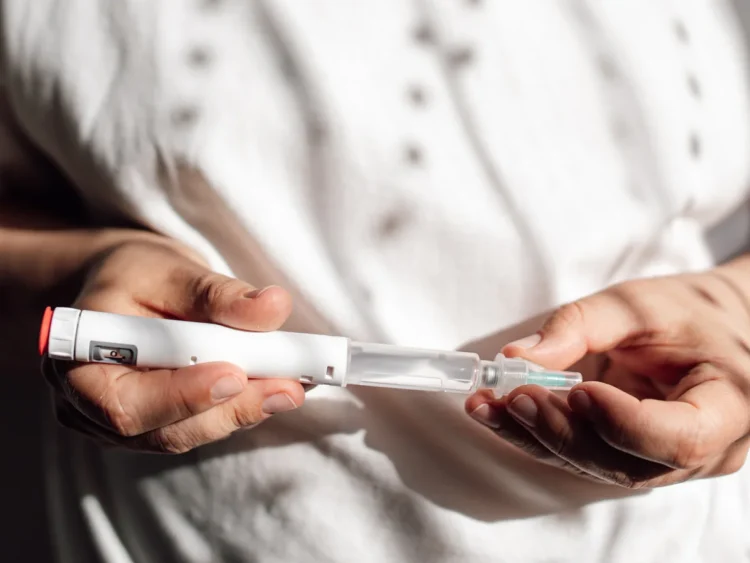
In a breakthrough that could rewrite emergency cardiac care, scientists in the United Kingdom are now turning their attention to medicines traditionally used for weight loss showing that they might dramatically reduce life-threatening complications after heart attacks. Researchers from the University of Bristol and University College London (UCL) have found that drugs like semaglutide, found in popular treatments such as Ozempic and Wegovy, may help maintain blood flow to heart tissue at those moments when traditional interventions aren’t enough. This new frontier in cardiovascular medicine raises hope for hundreds of thousands of heart attack survivors in the UK every year.
In many years, post–heart attack care has focused on restoring blood flow to blocked arteries using techniques like angioplasty and thrombolytic therapies. Yet nearly half of patients still suffer a complication known as “no-reflow,”where tiny microvessels within the heart fail to open even after the major artery is cleared.

AD: Capeesh Restaurant
This condition dramatically increases the risk of heart failure, further hospitalisation or death within months of the event. The new study suggests the mechanisms behind weight-loss drugs could counter this dangerous response by relaxing constricted vessels and improving microvascular circulation deep within heart tissue.
Semaglutide and similar GLP-1 receptor agonists were initially developed to help people with type 2 diabetes and, more recently, obesity. They work by mimicking a hormone that regulates appetite and blood sugar levels, leading to significant weight loss in many recipients. However, mounting evidence has pointed toward wider cardiovascular benefits independent of weight change.
In a large cardiovascular outcomes trial known as SELECT, for instance, semaglutide was associated with a 20 per cent reduction in major adverse cardiovascular events including heart attacks and strokes among people with established heart disease.

AD: Oysterian Sea Food Restaurant And Bar
The UK study at the heart of today’s headlines was conducted primarily in animal models, allowing researchers to closely examine the drugs’ effects on the heart’s small blood vessels during acute injury. Early results showed that semaglutide modified the behaviour of pericytes cells wrapped around microvessels that can tighten and constrict blood flow after injury.
While preventing excessive pericyte constriction, the drug improved perfusion in damaged heart regions, potentially reducing the extent of injury. These findings, while preliminary, have energized calls for clinical trials in humans to assess whether paramedics or emergency departments might someday administer these medications in the golden hours after a heart attack.
The implications of repurposing GLP-1 drugs for cardiac rescue go beyond the immediate aftermath of heart attacks. Over the past few years, cardiologists have noted beneficial effects from these medications in a range of settings.
For example, growing data suggest that GLP-1 therapies may improve vascular health by reducing inflammation, enhancing lipid metabolism, and modestly lowering blood pressure all of which contribute to better long-term outcomes for people at risk of heart disease. These broader benefits were highlighted in a recent review of research into the cardiovascular effects of GLP-1 receptor agonists.
Still, experts are quick to point out that the current UK study is an early step. Most of the work so far has been in laboratory animals, and human trials are essential before these drugs could be adopted into emergency cardiac protocols nationwide. Investigators emphasise that, while the potential is vast, careful evaluation of safety, dosage and timing will be critical.
Nevertheless, this research adds to a growing narrative that weight-loss drugs may have unanticipated benefits far beyond the clinic for obesity alone.
The notion of using weight-loss therapies to tackle heart attack complications may have once seemed far-fetched, but it now aligns with a broader trend in cardiometabolic medicine.
Earlier research has shown semaglutide has heart-protective properties even in those who don’t lose large amounts of weight, suggesting that the drugs’ cardiovascular effects are not merely a side benefit of weight reduction.
Pharmaceutical companies and regulators have also taken notice. For instance, the UK’s Medicines and Healthcare products Regulatory Agency (MHRA) has backed the use of Wegovy to mitigate the risk of major cardiovascular events in people with obesity and heart diseasea decision welcomed by clinicians and discussed in the professional briefings.
As the field evolves, scientists are also exploring next-generation drugs with dual mechanisms, such as tirzepatide, which targets multiple hormonal pathways and shows promise in reducing heart failure risks among people living with obesity and cardiac conditions.
The convergence of weight-loss pharmacotherapy and cardiac care reflects a deeper evolution in medical thinking: the interconnectedness of metabolic and cardiovascular health. Heart attacks, once understood predominantly through the lens of blocked arteries, are increasingly seen as events shaped by systemic inflammation, vascular tension, and metabolic stress. Medications that touch all of these factors simultaneously could prove transformative.
In the meantime, the research community is watching closely as plans take shape for human clinical trials designed to test whether drugs like semaglutide can indeed be administered in emergency settings to save lives and reduce long-term disability.
With patients and clinicians alike, the possibility that weight-loss medications such as Wegovy and Ozempic might one day rescue hearts as well as trim waistlines offers a glimpse of a future where the traditional boundaries between endocrinology and cardiology grow increasingly fluid.
In that future, a prescription written to regulate blood sugar or reduce body mass index may simultaneously fortify vulnerable arteries, calm inflammation, and protect fragile heart tissue in the aftermath of a cardiac event.
Researchers at institutions including University College London have suggested that these therapies may influence vascular function and microcirculation in ways that extend far beyond appetite suppression.
If ongoing trials confirm those early findings, emergency departments could one day deploy metabolic drugs alongside clot-busting agents and stents, reshaping the standard protocol for treating heart attacks.
Such integration reflects a broader understanding that obesity, diabetes, and cardiovascular disease are deeply interconnected rather than isolated conditions. With health systems strained by rising rates of chronic illness, multipurpose medications could represent both a clinical and economic breakthrough.
In a world where heart disease remains the leading cause of death globally, innovations that bridge specialties and address root causes at once cannot arrive soon enough.

AD: Heritage And Restaurant Lounge Bar