
By Charlotte Webster-
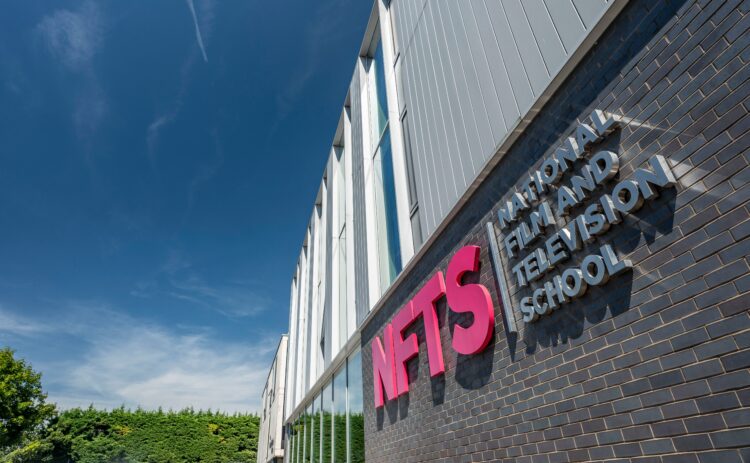
The United Kingdom’s creative industries have long grappled with under‑representation of disabled talent, both on‑screen and behind the camera. This week, however, one of the nation’s most prestigious institutions took an unprecedented step toward changing that narrative. The National Film and Television School (NFTS) globally renowned for training some of Britain’s top directors, cinematographers and producers has announced a major expansion of its facilities and support for students with disabilities, a move industry figures are hailing as transformational.
In many years, aspiring disabled filmmakers and technicians have faced physical and financial barriers to entering screen production training. Historic campuses, inaccessible accommodation and prohibitive living costs have often forced talented individuals to choose between pursuing their creative ambitions and managing day‑to‑day realities.

AD: Capeesh Restaurant
The NFTS’ latest initiative aims to dismantle these barriers by introducing nine fully accessible dormitory rooms at its Buckinghamshire campus from 2027, each designed for a range of physical access needs and accompanied by a new bursary to cover living costs.
The changes come as part of a broader £10 million investment funded by government and private partners, signalling a new commitment to fostering genuinely inclusive talent pipelines in film and television. Culture Secretary Lisa Nandy praised the initiative, saying talent must be supported wherever it exists if the UK is to remain a “creative powerhouse.”
NFTS Director Jon Wardle emphasised that accessibility is not an afterthought but central to creative excellence an ethos that is helping to reshape one of the most influential training grounds for the screen industries.

AD: Oysterian Sea Food Restaurant And Bar
While on‑screen representation has gained momentum through programmes that champion diverse performers such as the Oska Bright Film Festival, which celebrates films made by and featuring people with learning disabilities or autism progress behind the camera has lagged.
NFTS’ focus on inclusive production training complements broader industry efforts to improve diversity, equity and wellbeing, such as the recent launch of mental health principles for UK productions by the Film and TV Charity, which underline the importance of respectful, inclusive working environments.
Industry advocates note that the change is about more than adding ramps and lift access. It’s about shifting culture and expanding definitions of what a production professional can look like.
Historically, many disabled creatives have reported limited opportunities in technical roles from cinematography to editing because of assumptions about physical access and workforce needs. NFTS’ Accessible Living Bursary and tailored support structures are designed to help students focus on training and creative development rather than navigate systemic barriers.
Alumni and current students with disabilities have already reported a welcome shift in the school’s culture. Disabled MA student intake has doubled in recent years, rising from 15 per cent of entrants in 2021 to 26 per cent in 2025, a trend leaders attribute to both growing industry awareness and proactive recruitment efforts at the NFTS.
Advocates like Hamish Thompson, a disability campaigner working with the school, describe the impact of these changes as “massively transformative,” pointing out that access has often been regarded as a cost rather than an essential component of creative equality.
Targeted programmes such as the BBC Extend scheme which allocates job opportunities specifically for disabled creatives highlight how structural support can unlock untapped potential across the industry.
The NFTS’ initiative arrives amid a broader cultural moment in UK screen sectors where disabled representation is gaining more visibility and momentum. Productions such as the critically acclaimed drama Ralph & Katie which features actors with Down syndrome both on screen and behind the scenes have demonstrated how inclusive practices can enrich storytelling while challenging industry norms.
Still, industry data suggests that disabled creatives remain significantly underrepresented: recent studies indicate that fewer than one in ten disabled actors portray disabled characters on television, and behind‑the‑camera roles exhibit similar gaps in representation.
With students at the NFTS, the promise of accessible accommodation, financial support and a campus culture built on inclusion marks a turning point. Aspiring filmmakers, editors, producers and technicians with disabilities now have a clearer pathway into an industry that has historically locked many out.
With creative industries look to the future, initiatives like this are likely to reshape who gets a seat at the table and whose stories are given the platform they deserve.
The NFTS’ bold step serves as a reminder that equity in arts and media requires both policy and practice, and that by removing barriers, institutions can ensure the next generation of storytellers reflects the rich, diverse fabric of society.
Accessibility is not limited to physical accommodations or financial support it also demands mentoring, adaptive teaching methods, and a culture in which disabled students feel empowered to contribute their full creativity.
Through providing tailored support, the NFTS demonstrates that inclusion is not simply an ethical obligation; it is a driver of innovation, enabling students to bring unique perspectives that enrich storytelling across all areas of film and television.
Creative industries thrive on fresh ideas, and diverse teams consistently produce work that resonates with broader audiences. Disabled creatives often offer insights informed by experiences outside the traditional norm, approaching narrative, cinematography, and editing in ways that challenge conventional assumptions.
Programs like the NFTS’ Accessible Living Bursary and its inclusive curriculum signal that the industry values these perspectives, ensuring that talent is not overlooked due to structural or cultural barriers.
The school’s initiative also has broader implications for the UK and international media landscape. By leading with accessibility, the NFTS sets a standard for other institutions, production houses, and broadcasters, demonstrating that inclusion benefits not only students but the industry at large.
Efforts to create equitable pathways for underrepresented talent encourage more authentic representation both on and off the screen, helping audiences see stories that reflect real-life diversity.
Ultimately, fostering an inclusive environment at elite training institutions is more than a policy statement it reshapes the future of storytelling itself.
When combining infrastructure, support, and cultural commitment, the NFTS is showing that when barriers are dismantled, creativity flourishes, and the next generation of filmmakers, writers, and producers will better reflect the society they seek to portray.

AD: Heritage And Restaurant Lounge Bar