
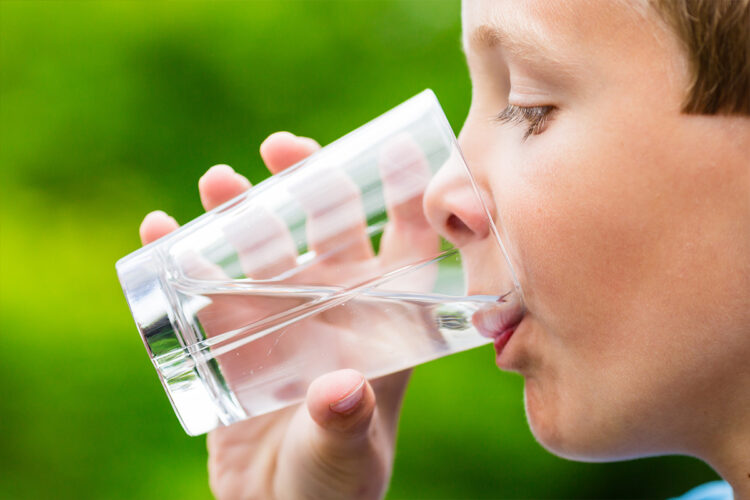
According to recent studies, nearly 60 % of children worldwide do not drink enough water each day. At first glance, this may seem like a minor concern after all, a dry mouth or occasional thirst is easy to dismiss. But insufficient water affects learning, memory, mood, and focus long before anyone thinks to ask if they’ve had enough to drink.
The implications of drinking inadequate amounts of water go far beyond these physical discomforts. Proper hydration is critical for brain function, influencing attention, memory, problem-solving, and mood regulation.

AD: Capeesh Restaurant
“Many parents and teachers assume that children will drink when they are thirsty,” says Dr. Erica Kenney, who led one of the first national studies on hydration in children. “The problem is that children often don’t recognize thirst early enough, so mild dehydration can go unnoticed. Yet it is already enough to affect concentration, learning, and emotional control”.
The issue is surprisingly widespread. In a survey of children’s fluid intake, about one in four children did not drink any plain water during the day.
Instead, many children rely on juice, soda, or other sweetened beverages. While these drinks may provide calories or sugar, they do not hydrate the brain as efficiently as water. Over time, this can subtly affect learning, mood, and engagement in both academic and social settings.

AD: Oysterian Sea Food Restaurant And Bar
Research on the cognitive effects of hydration or the lack of it, is quite revealing on the effcts it has on general focus levels,
The revelation that something as simple as water could help was eye‑opening. Many parents assume tiredness or distraction is the full story, but research shows that children’s attention and cognitive performance measurably improve when they are adequately hydrated, with enhanced memory, attention, and overall engagement.
Researchers now suggest that inadequate hydration is not merely an inconvenience but a barrier to learning and emotional regulation that affects millions of children worldwide.
Scientific evidence increasingly links hydration to specific aspects of brain function. Controlled studies have demonstrated that children who consume sufficient water perform better on memory and attention tasks, while even mild dehydration can impair mental performance and increase fatigue.
Cognitive flexibility the ability to switch between tasks and adapt to new information also improves when children maintain proper hydration.
These benefits are not purely academic. Dehydration has emotional consequences as well. Even small decreases in hydration can lead to irritability, mood swings, and difficulties regulating emotions. For children, this can affect how they interact with peers, respond to challenges, and navigate social situations.
Teachers often notice these subtle behavioural shifts fidgeting, withdrawal, or frustration but may not realise that the root cause is inadequate water intake.
Children are particularly vulnerable because their bodies contain a higher proportion of water than adults, which can be lost more quickly during physical activity or in warm environments. Yet many schools have not fully implemented routines that encourage hydration.
Research shows that children obtain only about 14 % of their daily fluids while at school , despite spending a significant portion of their waking hours in classrooms.
Professor Steven Gortmaker, who has studied child hydration patterns, emphasises the practicality of this intervention: “Encouraging children to drink water is a simple, low-cost strategy with measurable effects on alertness, mood, and learning outcomes. This is something schools and parents can address immediately” .
Some schools have begun adopting creative strategies to normalize water consumption. These include incorporating structured water breaks into classroom schedules, placing water stations in hallways and near high-traffic areas, and educating children about the importance of staying hydrated.
Students participating in these programs often report feeling more awake, less irritable, and better able to concentrate, while teachers notice improved engagement and fewer midday distractions.
Experts stress that hydration is not merely about avoiding thirst; it is about providing the brain with what it needs to operate efficiently. The effects extend beyond academics. Children who develop regular water habits may also establish lifelong routines that reduce reliance on sugary beverages, support physical health, and enhance emotional resilience.
Researchers emphasise that water one of the most basic but often overlooked nutrients plays a vital role in children’s cognitive abilities, including memory, attention, and learning.
Ensuring proper hydration supports brain processes and emotional well‑being, yet many children do not get enough water throughout the day, making hydration a foundational part of daily routines like eating breakfast or starting school.
Turning Awareness Into Action
Parents like Sophie have found that small, intentional changes make a substantial difference. Sending children to school with a refillable water bottle, reminding them to sip between lessons, and modeling good hydration habits at home all contribute to better focus, mood, and engagement. “It’s amazing how something so simple can change how my child approaches his day,” she says.
Educators and public health advocates also see opportunities for impact. Schools can integrate water into daily routines without significant cost or disruption. Encouraging students to drink water before lessons, after physical activity, and during transitions between subjects not only supports learning but also reinforces healthy habits.
While more research illuminates the connection between hydration and brain function, experts hope that families, schools, and communities will recognise water as a fundamental component of childhood development. The evidence suggests that children are more likely to thrive academically, emotionally, and socially when their brains are properly hydrated.
Even minor adjustments can have outsized effects. Consider this: a child who begins their day dehydrated may struggle to maintain attention, experience fatigue earlier, and demonstrate more irritability during interactions with peers.
Providing access to water and encouraging regular intake can reverse these outcomes, helping children engage fully with lessons, participate actively in social settings, and retain information more effectively.
Beyond the classroom, hydration can shape broader health trajectories. Children who consistently drink water instead of sugary beverages are less likely to develop excess weight, dental problems, and unhealthy dietary habits.
Moreover, learning the habit of regular hydration during childhood can translate into long-term benefits, supporting brain function and physical health throughout adolescence and adulthood.
The message is clear: a hydrated brain is an engaged brain. Ensuring that children drink enough water each day may be one of the simplest yet most effective ways to support both learning and emotional well-being.
In Sophie’s household, the change is tangible. Her son arrives at school more alert, participates in lessons with greater focus, and interacts with classmates more confidently. “Something as basic as water,” she reflects, “has completely changed the rhythm of his day.”
In the end, every glass of water is more than just hydration; it is an investment in a child’s ability to learn, grow, and succeed. Ensuring children receive enough water is a step that families, educators, and communities can take immediately one that pays dividends in focus, memory, emotional stability, and long-term health.

AD: Heritage And Restaurant Lounge Bar