
By Ben Kerrigan-
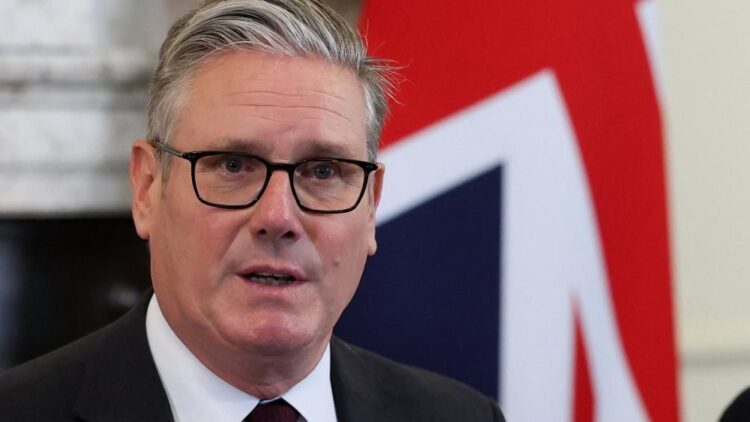
When Sir Keir Starmer agreed this week to release confidential government files linked to Peter Mandelson’s appointment as UK ambassador to the United States, the decision landed like a controlled detonation in Westminster.
What had been simmering political unease instantly became something far more combustible: a confrontation over secrecy, judgement, and how close power came to a scandal that continues to reverberate across continents.

AD: Capeesh Restaurant
The release follows weeks of mounting pressure after newly disclosed documents connected to the late financier Jeffrey Epstein reignited scrutiny of Mandelson’s long-acknowledged relationship with him.
While Epstein died in a New York jail cell in 2019, the ripple effects of his associations with politicians, financiers, and royalty have never truly stopped. Now, they have reached the heart of the British government.
At the centre of the storm is a simple but explosive question: what did Downing Street know when Mandelson was appointed, and what was overlooked?

AD: Oysterian Sea Food Restaurant And Bar
Once passed, the motion compels the government to release documents to Parliament, with only narrow exemptions for national security or diplomatic sensitivity. The tactic, deployed by Conservative leader Kemi Badenoch, was designed to corner the prime minister into transparency and it worked.
The documents are expected to include internal vetting assessments, correspondence between senior civil servants, and advice given to ministers before Mandelson was confirmed in the role. While No 10 insists that appropriate due diligence was carried out, critics argue that the Epstein revelations now demand a fuller public reckoning.
The controversy escalated sharply after U.S. legal disclosures revealed years of email exchanges between Mandelson and Epstein, some of which allegedly included discussions of government policy and high-level political matters.
The nature, tone, and timing of those communications have raised questions about whether Epstein already convicted of sex offences in the United States had access to information he should never have seen.
Mandelson has insisted that he never knowingly acted improperly and has said he regrets the association. But the damage was already done. He resigned from the House of Lords and was dismissed as ambassador last year as the scale of the revelations grew.
Now, the Metropolitan Police are examining whether confidential government material was shared unlawfully, a development that has raised the stakes from political embarrassment to potential criminal exposure.
What the Documents May Reveal and Why It Matters
The imminent release of the files has triggered intense speculation about what they will contain. Even heavily redacted, they are expected to illuminate the internal calculus that led to Mandelson’s appointment and whether concerns about his past associations were raised, minimised, or ignored altogether.
According to officials briefed on the matter, the vetting process included standard background checks but may not have fully accounted for the breadth of Epstein-related material now emerging through U.S. court proceedings. Supporters of the prime minister argue this is an unfair hindsight judgment: much of the most damaging information was not publicly available at the time.
Opponents are unconvinced. They point out that Epstein’s criminal history was well-documented, and that Mandelson himself had previously acknowledged staying at Epstein’s properties and maintaining contact long after Epstein’s first conviction. To critics, this alone should have prompted deeper scrutiny for such a sensitive diplomatic post.
The allegations that Mandelson may have shared insights about European financial policy with Epstein have proven especially inflammatory. Emails cited in U.S. filings appear to show Epstein seeking and receiving commentary on market-sensitive developments during the eurozone crisis. Mandelson has disputed interpretations of those exchanges, but the optics are troubling.
Starmer himself has taken a harder line since the latest revelations, describing the alleged conduct as “disgraceful” and emphasising that Mandelson’s behaviour, if proven, was incompatible with public service. The prime minister has also signalled support for stripping Mandelson of remaining honours a striking reversal for a figure once central to Labour’s political machinery.
Beyond Mandelson, however, the episode has reignited a broader debate about how Britain appoints its most senior envoys. Ambassadorships are often political appointments, blending diplomacy with trust and influence. Critics argue that this case exposes a system overly reliant on personal judgement and insufficiently transparent to the public.
Constitutional experts say the release of the files could set an important precedent. While governments routinely shield appointment processes from scrutiny, this episode may force a recalibration particularly when national reputation and international trust are at stake.
Internationally, the affair has drawn attention in Washington, where Mandelson’s short tenure coincided with sensitive diplomatic discussions. U.S. officials have been careful not to comment directly, but analysts warn that prolonged uncertainty risks undermining confidence in Britain’s diplomatic judgement at a moment of global instability.
What began as a question about one appointment has grown into a test of leadership in an age where secrecy rarely survives scrutiny. The Epstein scandal, long thought to belong to another chapter, has once again pierced the present forcing Britain’s government to confront not just what happened, but what it is willing to reveal.
And as those sealed files finally open, Westminster may discover that the most damaging revelations are not about the past but about how power still protects itself in the present.

AD: Heritage And Restaurant Lounge Bar