
By Ben Kerrigan-
Tensions between the United States and Iran remain fraught as Tehran reopened its airspace on 15 January 2026 following a temporary closure that sparked global concern about a possible military confrontation.
The move comes amid escalating tensions rooted in Iran’s internal crackdown on protests and threats from the Trump administration, prompting heightened diplomatic and defence postures from both sides and unsettling markets and airlines worldwide.

AD: Capeesh Restaurant
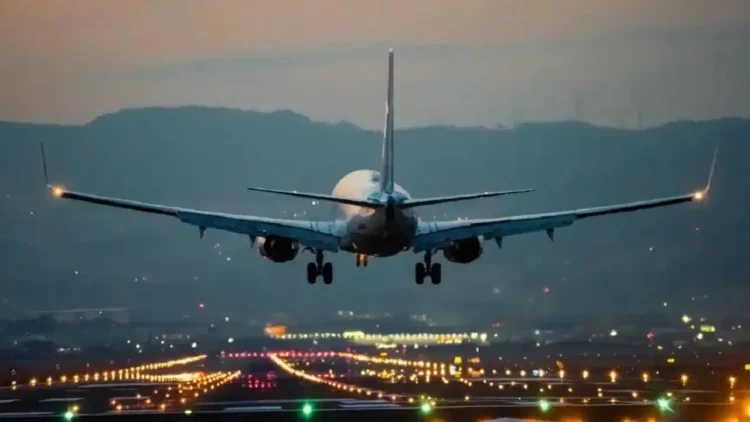
The closure of Iran’s skies in place for nearly five hours forced reroutes, flight cancellations, and a rare advisory from European aviation services, underscoring how the standoff could spill into civilian life and international travel.
Although aviation has returned to normal, the broader geopolitical dispute shows no clear signs of abating as both nations recalibrate their strategies in response to mounting domestic and international pressures.
Iran’s civil aviation authority temporarily shut down much of the country’s airspace late Wednesday evening, allowing only flights arriving from or departing to other countries with explicit permission.

AD: Oysterian Sea Food Restaurant And Bar
According to notices published by the Federal Aviation Administration (FAA), the closure lasted from the early hours of Thursday until around 7 a.m. local time, disrupting normal flight patterns and forcing carriers to reroute around Iranian territory.
Flight-tracking data showed only a handful of planes over Iran during the suspension and, upon reopening, a series of domestic flights and international services including those by Iranian carriers like Mahan Air and Yazd Airways resumed their routes.
Global airlines were quick to adjust. India’s IndiGo and Air India issued advisories concerning potential delays and reroutes, while Germany’s Lufthansa modified its flight plans to avoid extended overflight of Iranian airspace.
Aviation risk monitors cautioned that the closure might signal expanded military readiness or misidentification hazards a lingering worry given the tragic downing of a civilian aircraft over Iran in 2020 during heightened tensions.
The swift reopening of the skies eased immediate logistical pressures but did little to dampen broader security concerns. Analysts note that even temporary airspace closures reflect how decisions in Tehran and Washington are reverberating far beyond their borders, affecting global trade, travel, and economic confidence.
Political Standoff and Regional Implications
Nationwide demonstrations against the Iranian government have drawn global scrutiny, and the Trump administration has repeatedly linked Tehran’s violent suppression of protestors with punitive diplomatic and potentially military measures.
President Donald Trump, while claiming he has received word that the “killings in Iran have stopped,” has not ruled out military action if Tehran proceeds with harsh reprisals or executions of detained protesters a claim Tehran disputes. This exchange of rhetoric fuels a climate of mistrust and heightens the risk calculus for both nations.
In Tehran, authorities have defended their handling of the protests and rejected suggestions that executions or further crackdowns would diminish, while Iranian Foreign Minister Abbas Araghchi accused foreign powers of fomenting unrest, pointing to alleged plots aimed at destabilising the regime. This narrative complicates diplomatic engagement, as Tehran calls for negotiation but remains skeptical of US motives.
Amid these strains, the United States and the United Kingdom evacuated some military personnel from bases in the Middle East, including from Al Udeid Air Base in Qatar, signalling heightened caution among Western forces. Several European governments also issued travel advisories urging citizens to avoid the region, highlighting concern over potential escalation or miscalculation.
The United Nations Security Council set an emergency session to discuss the crisis at the US’s request, reflecting widespread alarm at how quickly internal unrest and diplomatic brinkmanship could evolve into broader conflict.
In parallel, the Group of Seven (G7) nations condemned the use of lethal force against Iranian protesters and hinted at possible new sanctions if violence continues, adding another layer of pressure on Tehran.
Regional actors are also reacting. Countries across the Middle East are carefully monitoring the situation, balancing alliances with the West against deep and often fraught ties with Iran, which has historically played a key role in regional geopolitics.
Analysts note that any misstep could have cascading effects across the Middle East from energy markets to security partnerships.
Beyond the immediate political and military implications, economic indicators have responded to the heightened uncertainty. Oil prices, which typically surge amid Middle Eastern instability, displayed sharp volatility following mixed signals about de-escalation and the reopening of Iranian airspace.
Some markets interpreted reassurances from Trump as a cue for de-escalation, while others cautioned that unresolved conflict risk remains.
Airline stocks and regional investment flows experienced jittery trading, reflecting investor anxiety over potential disruption in one of the world’s most critical energy corridors.
While traders took some comfort from the resumption of flights over Iran, many emphasised that reopening airspace merely alleviates one operational stress the broader geopolitical risk remains intact and could resurface if rhetoric sharpens again.
International aid and human rights groups are intensifying pressure on both capitals to pursue diplomatic channels rather than military confrontation. Advocacy organisations have highlighted the human cost of Iran’s domestic unrest, urging restraint and respect for civilian life as well as negotiations to address the root causes of the protests — including demands for political reform and accountability.
Meanwhile, global organisations such as the United Nations and the EU have called for independent investigations into reports of violence against protesters, adding diplomatic weight to concerns that the crisis could deteriorate further absent de-escalation.
The presence of multiple international actors underscores how the Iran–US standoff is no longer a bilateral issue but a multifaceted global crisis with implications for international norms and regional stability.
Diplomats from around the world are likely to intensify efforts to mediate and prevent further escalation, while military planners in both Tehran and Washington remain on alert. Regional alliances are being tested, and the global community watches closely for signs that either side might pivot towards negotiation or, conversely, escalate further.

AD: Heritage And Restaurant Lounge Bar