
By Gabriel Princewill-
In a dramatic legal ruling that has sparked fresh scrutiny of the Crown Prosecution Service (CPS), a senior judge has condemned the CPS for pursuing a prosecution against a 72-year-old woman who fainted at the wheel and was involved in a fatal collision, saying the decision to proceed “breached its own Code” and amounted to an abuse of the court process.
The open rebuke brings both the prosecutorial standards and integrity of the Crown Prosecution Service in the UK under close scrutiny. There have long been concerns in many quarters that many prosecutors unethically push for prosecutions irrespective of the underpinning credibility of the Crown’s case, for the sake of getting paid, to suit the victims, or in many cases, for the aforementioned two reasons.

AD: Capeesh Restaurant
Last month peers called for all lawyers in the Uk to undergo ethical training in a bid to root out disingenuous practices in the legal system which have the potential to undermine the integrity of the British Criminal Justice System. That process is a long way from being fully enacted, but bekeieved to be underway.
The woman in this case, Sheila Leadbeater of Main Street, Newton Kyme near Tadcaster, was originally charged with causing the death of 38-year-old Nicholas Davey by dangerous driving following a two-vehicle crash at a crossroads near Cattal, west of York, on 30 March 2023.
However, the case never reached a full trial. Court submissions agreed that Mrs Leadbeater lost consciousness before the collision, meaning she was not in control of her vehicle at the time of impact and could not have foreseen her fainting. Accordingly, there is no way she could have had the requisite level of intention fundamentally required to secure a conviction under such circumstances.

AD: Oysterian Sea Food Restaurant And Bar
During a pre-trial hearing at York Crown Court, the prosecution conceded that it did not intend to seek a conviction, but nevertheless pushed for a trial in the hope of securing a particular form of “not guilty” verdict from a jury.
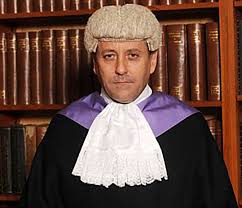
In response, a shocked Recorder of York Judge Sean Morris, said the CPS’s decision to proceed was deeply troubling. Slamming the prosecution decision to bring the case to trial, York’s top judge said “You are seeking a conviction in breach of your own code,” he told prosecution counsel. “To prosecute someone whom they (the CPS) know is not guilty is an abuse of the process of this court.”
He described Mrs Leadbeater’s situation as a tragedy, but made clear she had been unconscious and had no awareness of the risk she posed to other road users at the time of the incident.
Given this, there was no realistic prospect of conviction — a core requirement of the CPS’s own guidance. Moments later, the prosecution offered no evidence against Mrs Leadbeater, and she was formally acquitted.
CPS Code
The Crown Prosecution Service is guided by the Code for Crown Prosecutors, a legal framework that requires prosecutors to apply a “Full Code Test” before commencing or continuing a prosecution. The test has two consecutive stages:
Evidential stage — whether there is sufficient evidence for a realistic prospect of conviction, and
Public interest stage — whether a prosecution is required in the public interest.
If there is insufficient evidence, the CPS must not prosecute — and crucially, if there’s no realistic prospect of conviction, the public interest cannot justify continuing the case. The Code also says prosecutors must act fairly, impartially and in the interests of justice, without being influenced by external pressures.
In Mrs Leadbeater’s case, the judge indicated the CPS failed at the very first hurdle. There was simply no realistic prospect of conviction given her loss of consciousness at the relevant moment.
In response to media inquiries at the time, a CPS spokesperson said the decision to bring the case forward was taken “in line with our externally published prosecution guidance and reviewed by senior CPS lawyers.”
But the senior judge’s remarks — that the CPS was knowingly pursuing a case that could not result in a conviction — will raise broader questions about prosecutorial judgment, as it will add to suggestions of malpractise in the criminal justice system.
Legal experts and campaigners have been quick to point out that, while tragic accidents caused by medical episodes can lead to liability in rare circumstances, the threshold for criminal prosecution must be grounded in evidence and legal principles, not speculation or public pressure.
While the Leadbeater case will no doubt attract significant attention due to the judge’s criticism, it is not the only instance in recent years where CPS decisions have been questioned on procedural or policy grounds.
A disturbing watchdog report last year found that nearly half of CPS responses to complaints from victims of crime were inadequate, containing errors or failing to communicate clearly about case outcomes. Critics said the findings pointed to systemic issues in how the CPS handles engagement with the public and upholds standards of transparency.
In a separate matter, Auriol Kay’s manslaughter conviction was quashed on appeal because the underlying offence could not be properly established — with legal commentators saying the case should never have been brought in the first place. She had previously been jailed for three years following a re-trial
Other scrutinised CPS decisions include controversial drops of charges in cases involving emergency responders and assault allegations, leading to questions about consistency in applying the Code’s evidential and public interest tests. Such examples, while distinct in their facts, have fuelled debate over whether the CPS’s internal legal guidance is always applied rigorously enough and whether appropriate oversight mechanisms are in place when prosecutorial errors occur.
Legal and Political Reaction
Critics will welcome the judge’s remarks in the Leadbeater case as a reaffirmation of judicial oversight over prosecutorial discretion.
The decision “reinforces the idea that prosecutors do not have a free pass to pursue cases without solid legal foundations.” Legal academics point out that the judge’s ruling may embolden defence teams in future cases where the CPS’s decision-making is questionable.
The case demonstrates evidence of the need for greater transparency and accountability in how prosecution decisions are made, particularly in fatal road traffic incidents and other sensitive areas.
Others argue that the CPS is often asked to make difficult calls in emotionally charged cases, and that prosecutors must balance empathy for victims’ families with rigorous legal standards.
The fallout from the Leadbeater case will reverberate both inside and outside legal circles. There will likely be greater calls for the CPS to review how the Code for Crown Prosecutors is interpreted in complex cases, especially those involving medical episodes or diminished control;
Cases of this kind manifestly calls for the strengthening of training and oversight of prosecutors to ensure early identification of cases that lack a realistic prospect of conviction; and enhance engagement with families and victims to explain decisions clearly and mitigate feelings of injustice when cases don’t proceed.

AD: Heritage And Restaurant Lounge Bar