
By Aaron Miller-
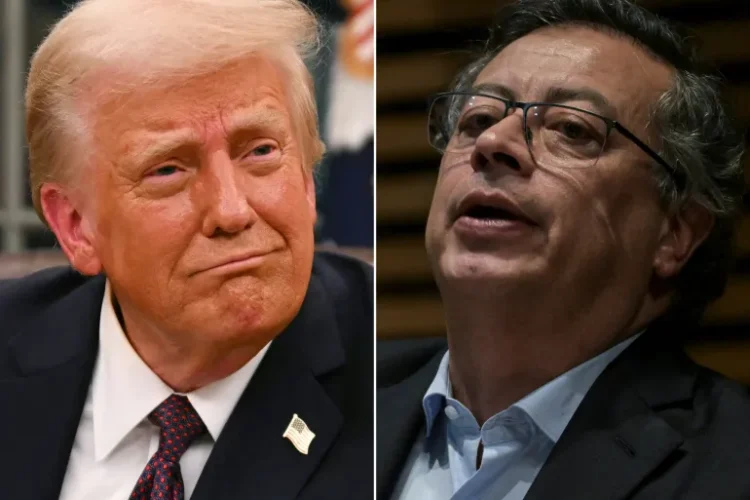
What began as an escalating diplomatic clash between the United States and Colombia this week moved toward a tentative thaw after a long‑anticipated conversation between the two leaders. President Donald Trump and Colombian President Gustavo Petro spoke by phone Wednesday evening, marking their first direct contact since a series of sharp exchanges that had rattled relations across the hemisphere.
Just days earlier, Trump had threatened Colombia with military action following an unprecedented U.S. military operation that led to the capture of Venezuelan President Nicolás Maduro, a move that prompted outrage among Latin American capitals and protests domestically in Bogotá.

AD: Capeesh Restaurant
That rhetoric included public accusations that Colombia’s leadership was complicit in supplying cocaine to the United States, claims rejected by Bogotá as unjustified and inflammatory.
Then came the unexpected phone call. According to official statements, Trump described the exchange as “cordial” and “respectful” and emphasised that Petro had called to explain concerns around drug trafficking and other disagreements between the two governments. Shortly after, the U.S. leader invited Petro to visit the White House in the near future to continue dialogue.
The sudden pivot in language caught international observers off guard. Over recent months relations between Washington and Bogotá had deteriorated sharply, with visa sanctions and public denunciations exchanged between officials on both sides.

AD: Oysterian Sea Food Restaurant And Bar
Trump had earlier revoked visas for Colombian government officials and labelled Colombia as uncooperative in the global war on drugs. Petro responded by mobilising political support at home and condemning what he described as unwarranted interference in Colombian sovereignty.
Despite the contentious backdrop, the phone conversation on Wednesday was widely reported as constructive. Petro’s office acknowledged that he had made the call in hopes of restoring direct communication between government ministries and easing the flow of diplomatic dialogue.
Analysts argue that the upcoming in‑person talks represent a strategic opportunity to reset ties after a period that many described as one of the tensest chapters in U.S.‑Colombia relations in decades.
While neither side has released detailed text of their discussions, many observers are focused on how they will manage core disputes, especially counternarcotics cooperation and regional security.
Linking broader dynamics, the emerging diplomacy also intersects with wider Latin American concerns about U.S. military involvement in the region and efforts to challenge drug trafficking networks.
Colombia has long been one of Washington’s most important partners in efforts against the international cocaine trade, even as internal Colombian politics have increasingly questioned the design of that strategy.
In Bogotá, Petro’s stance has been informed by his broader political narrative as a former rebel fighter turned head of state. Earlier this month he ignited controversy by suggesting he would take up arms again if Colombia faced a foreign attack comments that underscored wider anxieties within his base about national sovereignty.
Though these remarks were made before the call, they reflect the highly charged environment that surrounded the leadership exchange.
The domestic political environments in both capitals add layers to the diplomatic interplay. Trump, in the first year of his presidency, has adopted a combative foreign policy posture, emphasising unilateral action against drug trafficking and asserting America’s interests abroad with little restraint.
Petro’s leadership in Bogotá is equally shaped by deep ideological divides, especially over U.S. influence in Latin American affairs and the legacy of Colombia’s long internal conflict.
In Washington, some political voices hailed the shift toward engagement as a prudent step away from brinkmanship, even as critics expressed scepticism about the substance of planned talks.
Beyond the bilateral stage, regional governments and international bodies are watching the developments closely. Latin American capitals have been vocal about preserving sovereignty and avoiding military entanglements, especially after the U.S. action against Venezuela stirred widespread concern. European and United Nations officials have also weighed in, urging diplomatic solutions and caution in military interventions.
The conversation between the U.S. and Colombian presidents concluded with both sides signalling interest in building a more stable framework of cooperation. Arrangements for a White House meeting are expected to be coordinated between foreign ministry officials and diplomatic envoys, with a calendar yet to be announced.
The outcomes of forthcoming discussions in Washington could have far reaching consequences not only for bilateral ties between the United States and Colombia, but also for broader efforts against drug trafficking, migration management, and regional security cooperation. With preparations underway, both policymakers and the public will be observing attentively.

AD: Heritage And Restaurant Lounge Bar