
By Isabelle Wilson-
In a major development shaping the course of the Ukraine‑Russia conflict, President Donald Trump has given approval for a significant sanctions bill aimed at increasing economic pressure on Russia, especially on its ability to fund the nearly four‑year war against Ukraine.
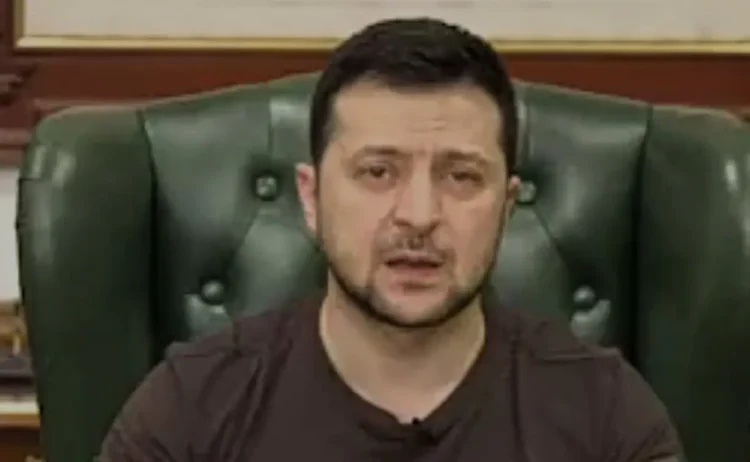
The move comes as Ukrainian President Volodymyr Zelensky picturedtold international partners that negotiations have reached a new stage and said the war could end within the first half of 2026. These events signal a strategic pivot in U.S. policy toward using economic tools while engaging in diplomatic efforts to end the conflict.

AD: Capeesh Restaurant
The sanctions bill, which is bipartisan and gaining momentum in Congress, would grant the U.S. government expanded authority to impose punitive measures on Russia and countries that continue to purchase Russian energy exports such as oil and gas.
Critics in Washington and allies abroad have debated the effectiveness of sanctions alone in ending the war, but proponents say they are an essential lever to weaken Moscow’s military capacity and incentivise a ceasefire.
Senator Lindsey Graham,(pictured) a co‑sponsor of the legislation, announced that Trump has “greenlit” the bill and cleared the way for a Senate vote as soon as next week.

AD: Oysterian Sea Food Restaurant And Bar
The bill targets the economic lifelines that fuel Russia’s war machine, including fossil fuel revenues, and could put pressure on major oil purchasers such as China, India, and Brazil nations with deep energy ties to Moscow.
While the legislation still needs formal congressional approval, Trump’s support marks a shift from earlier hesitancy in the executive branch to embrace the strictest forms of economic coercion. The president’s backing was confirmed after meetings with key lawmakers, who described the move as a strategic effort to tighten sanctions as diplomatic talks advance.
Sanctions have played an increasingly central role in the international response to Russia’s invasion of Ukraine, beginning in 2022 when Moscow launched a full‑scale assault on its neighbour. Since then, successive packages of economic penalties have targeted sectors of the Russian economy, including finance, defence, and energy.
Europe and the United States have imposed rounds of sanctions intended to stifle defence production, curb exports of technology critical to military use, and restrict access to Western capital markets. However, Russia’s energy revenues have remained resilient, partly supported by buyers in Asia and the Middle East.
Under the proposed sanctions bill, the United States would have enhanced tools to respond to Russian aggression and to pressure nations that directly or indirectly support Moscow through energy purchases.
At the same time, there is recognition in Kyiv that diplomatic efforts may be gaining traction. President Zelensky has publicly stated that he believes the war with Russia could end in the first half of 2026, reflecting optimism that negotiations are approaching a breakthrough.
Speaking at an event marking the start of Cyprus’s presidency of the EU Council, Zelensky highlighted progress in talks with European partners and the United States, emphasising that a conclusion to the conflict seems more possible now than at many previous stages of the war.
Zelensky’s comments echo growing diplomatic engagement among Ukraine’s allies, who continue to balance military support with economic pressure on Russia and efforts to shape a durable peace framework. European and U.S. leaders have participated in multiple rounds of talks aimed at outlining terms that could lead to a ceasefire and post‑war security guarantees.
These negotiations involve complex considerations including territorial integrity, sovereignty, and long term stability arrangements.
Despite optimism about peace prospects, significant obstacles remain. Russia has made no official indication of willingness to halt its offensive operations, and many international officials caution that ending the war will require compromises and guarantees that have so far eluded consensus.
Additionally, some critics of sanctions argue that punitive measures can entrench resistance rather than encourage diplomacy if not paired with credible negotiation incentives.
Domestic and International Responses
The reaction to Trump’s approval of the sanctions bill has been mixed at home and abroad. Supporters of the measure, including many U.S. lawmakers and advocacy groups, argue it represents a strategic escalation of pressure on Moscow that aligns with global efforts to restrict Russia’s war funding.
They see the bill as necessary to tighten the economic stranglehold on Putin’s regime and weaken Russia’s ability to sustain military campaigns that have caused extensive destruction and displacement in Ukraine.
Opponents, however, caution that broad sanctions particularly those extended to third‑party nations could have complex ripple effects on global markets and diplomatic relationships. Countries dependent on Russian energy exports could face increased tariffs or punitive measures, potentially straining ties with the United States and complicating international cooperation on other fronts.
Ukrainian officials have largely welcomed the prospect of tougher sanctions, though they stress that economic pressure alone cannot end the war. Kyiv continues to call for binding security guarantees and a negotiated settlement that preserves Ukraine’s sovereignty.
Many believe that aligning sanctions with diplomatic engagement enhances the overall strategy to bring about peace while ensuring that Ukraine has the international support necessary to deter future aggression.
In response to the evolving situation, other nations have begun recalibrating their policies. European leaders have reiterated commitments to Ukraine’s defence and recovery, while also signalling readiness to participate in broader political frameworks designed to secure lasting peace. The dynamic nature of these discussions underscores the ongoing interplay between economic measures like sanctions and the diplomatic track aimed at ending the conflict.
On the ground, the war continues to take a heavy toll. Recent reporting indicates that many Ukrainian regions have suffered significant infrastructure damage and humanitarian hardships due to continued Russian attacks, including disruptions to essential services such as water and heating. These conditions reinforce the urgency among Ukrainian communities and world leaders to find a path toward ending active hostilities.
The U.S. sanctions bill also covers secondary measures that would extend penalties not only to Russia but to entities and then encourage global alignment against ongoing military aggression. In practice, this could mean targeting financial institutions, shipping networks, and industries tied to Russian exports that facilitate the war economy. Such provisions reflect a broader strategy to isolate Moscow economically until compliance with peace efforts becomes more appealing.
Supporters in Washington argue that pairing sanctions with diplomatic optimism gives the United States and its allies leverage to shape negotiations. They believe that creating economic costs for prolonging the conflict increases the likelihood that Moscow could reconsider its position at the negotiating table. Critics contend that Russia’s strategic goals and internal political dynamics may render sanctions less effective without accompanying diplomatic breakthroughs.
The United States stands at a pivotal moment in its approach to one of the most consequential conflicts in recent history. With Trump’s approval of a major sanctions bill, the country is escalating economic pressure on Russia while pursuing diplomatic avenues that raise hopes for peace.
Whether these parallel strategies will ultimately bring about an end to the war is uncertain, yet the combination reflects a recognition that no single approach can resolve a conflict defined by both military complexity and geopolitical tension.
With legislative action moves forward in Washington and negotiation efforts continue among allied nations and Ukraine, the focus remains on finding a balance between pressure and diplomacy. The coming weeks will be critical as Congress debates the sanctions bill, diplomatic channels remain active, and Kyiv pushes toward peace within the first half of 2026.
The outcome of these efforts will shape the future of a region battered by years of conflict and will test the international community’s ability to combine economic tools with political engagement in pursuit of lasting peace.

AD: Heritage And Restaurant Lounge Bar