
By Aaron Miller-
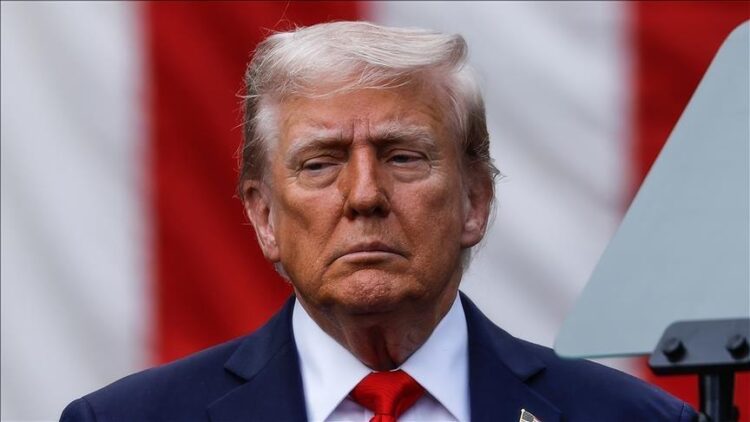
In a dramatic shift in U.S-Venezuela relations, President Donald Trump revealed that Venezuela’s interim authorities will “turn over” 30 million to 50 million barrels of crude oil to the United States, a development with far-reaching geopolitical and economic implications.
The announcement comes on the heels of a controversial U.S. military operation that resulted in the capture of Venezuelan President Nicolás Maduro and has heightened tensions across the Western Hemisphere. Trump said the oil will be sold at market prices and that proceeds will be managed under his direction to benefit both Venezuelans and Americans.

AD: Capeesh Restaurant
The volume Trump cited represents a sizeable reserve of sanctioned oil that had been stuck in storage because of longstanding U.S. embargo policies and complex global trade patterns. Venezuela holds some of the world’s largest crude reserves, though its production capacity has declined sharply over recent years due to underinvestment and mismanagement.
The announcement ricocheted through global markets, where prices retreated on expectations that additional supply could ease the lingering pressure on crude values. U.S. benchmark West Texas Intermediate saw notable declines in trading following Trump’s remarks, as traders weighed the scale and timing of such a major oil influx.

AD: Oysterian Sea Food Restaurant And Bar
Trump’s declaration did not offer a full blueprint on how the transfer will unfold, but the American president indicated that U.S. Energy Secretary Chris Wright has been tasked with implementing the plan to bring the oil directly to American docking terminals.
Cargoes are expected initially to be moved from existing storage holdings in Venezuelan ports, where sanctioned crude has accumulated due to export blockades imposed by the United States in recent months.
According to Trump’s social media post on Truth Social, the oil will be “taken by storage ships, and brought directly to unloading docks in the United States.” He added that his administration will oversee and control the revenues stemming from the operation, which he asserted would benefit both nations involved.
The broader context surrounding this announcement stretches far beyond barrels and markets. The transfer follows a U.S. military action aimed at toppling Maduro, who has been indicted on drug and trafficking charges in the United States.
Maduro’s capture unfolded amid violent clashes that left dozens of Venezuelan security personnel and allied forces dead, and it has been condemned by Caracas as an unlawful act of aggression.
In the aftermath of his capture, Vice President Delcy Rodríguez was sworn in as the interim leader of Venezuela. Rodríguez has rejected characterisations that the country has capitulated on its resources, insisting that Venezuela maintains sovereign control of its assets despite the U.S. operation.
Her stance reflects deep mistrust of Washington’s intentions and a fraught political landscape that risks fracturing international alliances.
Experts say the proposed shipment is large in a headline sense but still modest compared to Venezuela’s full production potential, which peaked decades ago and was once among the highest in the world.
Before U.S. sanctions took hold, China had played an outsized role in Venezuelan energy commerce, buying millions of barrels each year. Redirecting these supplies reshapes geopolitical equations with potential impacts on diplomatic ties and economic partnerships.
Market Reactions and Political Backlash
Financial markets reacted swiftly after Trump’s statement. Benchmark crude prices dipped as traders anticipated increased available supply. West Texas Intermediate futures dropped more than one percent, while global Brent crude also weakened.
Oil analysts pointed to concerns about oversupply at a time when demand remains uncertain and inventories across major consuming nations show mixed signals.
The potential inflow of Venezuelan oil into U.S. refineries could also prompt debates around domestic energy policy, stock levels, and the role of American petroleum corporations in an international context.
Companies such as Chevron, ExxonMobil, and ConocoPhillips could find themselves navigating new opportunities and risks tied to Venezuelan infrastructure that has been battered by decades of neglect. A news brief indicates that a White House meeting with executives from major oil firms is scheduled later in the week to discuss plans and implications.
Political reactions have been sharply split. Supporters within the Trump base hail the news as a bold strategic move that enhances U.S. energy security and weakens rivals.
Opponents argue that the announcement raises serious questions about international law, sovereignty, and the long-term repercussions of tying U.S. energy strategy to a nation undergoing political upheaval. Some critics have even described the overture as a form of resource appropriation under the cover of military intervention.
Regional governments and international observers are monitoring developments closely. Latin American capitals have expressed unease over the escalation of U.S. involvement in Venezuelan affairs. At the same time, global energy markets are evaluating how such a volume of oil could influence prices and supply chains in markets already buffeted by economic fluctuation.
Experts also caution that even if 50 million barrels move to U.S. soil, the volume is relatively small when measured against daily global consumption, which exceeds 100 million barrels per day. As one energy analyst noted, the exact timeframe over which the oil would be shipped and processed will determine its actual impact on supply balances and pricing dynamics.
The combination of diplomatic strain, military actions, and energy leverage underscores the complexity of modern geopolitics. The United States finds itself at the intersection of competing interests that range from domestic economic strategy to international relations with powerful nations like China.
How these dynamics unfold in the coming months will shape not only energy markets but also broader regional stability and policy direction. The unfolding situation continues to provoke debate and analysis across global news outlets. While ongoing updates and perspectives on energy markets and international reactions, tracking major outlets reporting on this subject will provide real-time insight as the story develops.

AD: Heritage And Restaurant Lounge Bar