
By Martin Cole-
Sydney’s historic St Mary’s Cathedral was filled with a solemn hush as hundreds gathered to farewell Peter Meagher, the final victim of the devastating Bondi Beach terror attack that rocked Australia in December. The nation watched as the service unfolded, marking a poignant moment in a long period of communal mourning and reflection.
Among those present was Prime Minister Anthony Albanese, whose attendance underscored the political and emotional significance of the ceremony amid broader calls for national inquiry and change.

AD: Capeesh Restaurant
Meagher’s funeral on Wednesday captured more than personal loss. It revealed a society reshaped through tragedy, struggling to honour a life well lived while facing difficult questions about safety, social cohesion, leadership, and policy direction.
What began as a celebration of Hanukkah at Bondi Beach on 14 December ended in horror, forever altering the lives of 15 families and igniting debate across political, cultural, and community lines.

AD: Oysterian Sea Food Restaurant And Bar
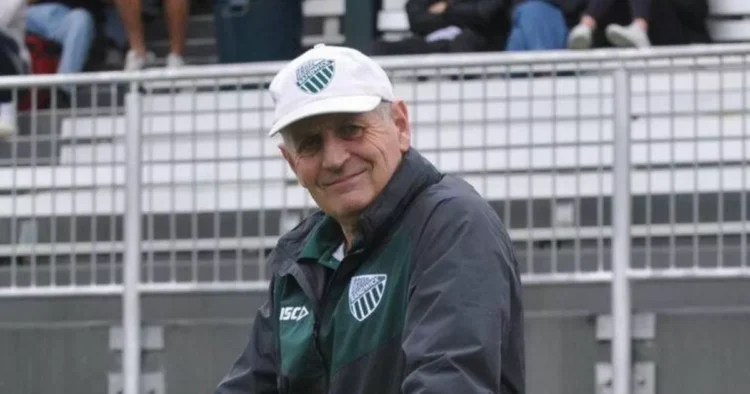
Peter Ronald Meagher was a figure of quiet strength and deep commitment. At 61, he had dedicated over three decades to service with the New South Wales Police Force, nurturing relationships across neighbourhoods, mentoring youth, and building bridges in diverse communities.
At the ceremony, his life was celebrated through stories that painted a vibrant portrait of a man loved by many. His family spoke of his generosity and calm spirit, his wife recalling his old fashioned kindness and warmth.
A jar of Meagher’s favourite sweets was placed beside his casket, a tribute that drew warm laughter from the congregation and reminded those present that the smallest details can reveal the deepest affections. The service was led by Father Richard Leonard and attended by political leaders, police colleagues, community figures, and thousands of citizens whose grief had become collective.
Former teammate and friend shared memories from the rugby pitch, while senior police officials reflected on Meagher’s integrity and his instinct to serve others even when he was no longer in uniform.
Prime Minister Anthony Albanese’s presence at the service marked a significant moment in the government’s response to the Bondi tragedy. Earlier funerals had seen him absent, a point that sparked criticism from some quarters and sparked intense debate over leadership, empathy, and political timing.
In a statement before the service, Albanese had committed to attend if invited by families, and his decision to be at Meagher’s farewell was seen by supporters as an important gesture of respect and solidarity.
Yet the wider discourse surrounding the attack has not eased. Calls for a national Royal Commission into the Bondi massacre have grown louder, with figures across the political spectrum, including the co founder of the Greens Bob Brown, suggesting that only an independent inquiry can provide clarity and accountability on factors that contributed to the attack and its aftermath.
The massacre itself amplified long standing tensions around issues such as gun control, rising antisemitism, and social cohesion. At the funeral, Meagher’s brother used the moment to highlight concerns about access to firearms, noting his brother’s long police career where he never once drew his weapon to harm another. That powerful contrast struck at the heart of national debate about how to protect citizens and prevent similar tragedies.
The attack also triggered profound grief across Australia’s Jewish community and beyond. In previous ceremonies, including the farewell to ten year old Matilda Britvan, worldwide attention focused on individual lives lost and the broader cultural implications, sparking conversations about safety, belonging, and the role of government in preventing hate driven violence. Details of those early services show the depth of sorrow that continues to shape public discourse.
While some commentators and community members have directed criticism at the federal leadership, demanding more direct action against hate and extremism, others have emphasised that healing and unity must start with shared recognition of loss.
In many ways, Meagher’s funeral represented a moment of convergence: love for a fallen friend and servant, coupled with unresolved questions about national direction and responsibility.
Across Sydney and throughout Australia, the memory of the Bondi attack remains vivid. Streets, community centres, and online spaces still carry echoes of that night in December, and the collective will to find answers and restore a sense of safety persists.
The funeral of Peter Meagher may close one chapter of mourning, but it also opens another where empathy, accountability, and national reflection are pressing themes in public life.
The service at St Mary’s Cathedral provided a space where those questions felt both close and distant, framed through recollection, tribute, and the quiet dignity with which a community said farewell to one of its own. The ceremony stood as a testament to the enduring human need to remember, to mourn, and to seek meaning amid sorrow.

AD: Heritage And Restaurant Lounge Bar
-
Share On
- Categories
- Date