
By James Simons-
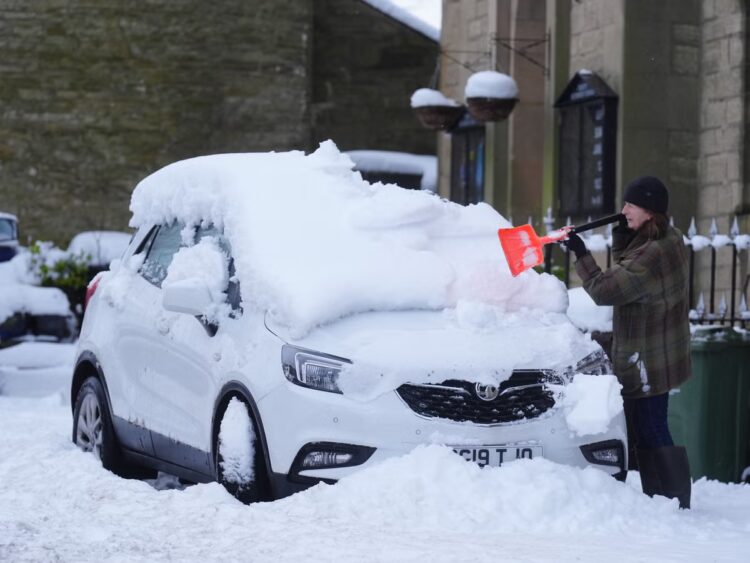
A renewed surge of winter weather spreads across large areas of the country just as pupils and teachers prepare to return to classrooms. Snow and ice warnings now affect many regions, raising concern around travel safety, school access, and daily routines after the holiday break.
According to Met Office, freezing conditions look set to linger, creating a challenging opening to the new term and placing pressure on families, education leaders, and local authorities.

AD: Capeesh Restaurant
Cold air has settled firmly, keeping daytime temperatures low while nights bring sharp frost. Snow showers continue to pass through several areas, sometimes light yet persistent, sometimes heavier and driven across roads and open land. Even where snowfall remains limited, ice forms rapidly on untreated surfaces.
Pavements, car parks, and side streets turn hazardous during early morning hours, particularly in shaded locations. The timing of the warnings adds to concern. The first days of term usually bring busy roads, crowded buses, and strict schedules. Under icy conditions, even small delays escalate into wider disruption.
Parents worry about children walking to school, while staff face long journeys across frozen routes. Local councils work overnight to spread grit, yet the scale of the cold spell means some roads remain untreated during peak travel times.

AD: Oysterian Sea Food Restaurant And Bar
Weather agencies highlight regional variation. Some areas see frequent snow showers, while others struggle mainly with freezing fog and black ice.
Despite these differences, the overall picture remains clear. Winter hazards coincide with a crucial moment in the school calendar, requiring careful judgement around safety and continuity.
The latest alerts underline an increased risk of slips, vehicle accidents, and transport delays. Ice proves especially dangerous due to its subtle nature, often hidden beneath a thin dusting of snow or forming where surfaces appear merely damp.
Emergency services advise slower travel speeds and extra time during journeys,
Public transport networks feel the strain \as rail operators deploy specialist teams to keep tracks and points clear, though frozen equipment still leads to delays on some lines. Bus services adjust routes, avoiding steep or exposed roads where traction remains poor.
Even short trips become unpredictable, particularly during early hours when temperatures reach their lowest point.
Airports monitor runway conditions closely, using de icing procedures to maintain safe operations. While widespread flight cancellations remain limited, aviation authorities warn that conditions can change rapidly during prolonged cold spells.
Passengers receive advice to check updates before setting out, especially when travelling during early morning or late evening periods.
Health officials raise additional concern. Icy conditions increase the likelihood of falls, particularly among children heading to school and older adults making essential journeys. Hospitals already manage seasonal illness pressures, and an increase in weather related injuries could add further strain.
Public health advice stresses practical steps such as wearing suitable footwear and taking extra care on steps and slopes.
Local councils face logistical challenges. Gritting plans prioritise major routes, school access roads, and pathways near health centres. Extended cold rapidly reduces salt supplies, prompting careful management and redistribution.
Officials urge patience as teams work long shifts under difficult conditions, balancing competing demands across large areas.
Community awareness plays an important role. Local radio, council websites, and social media channels provide regular updates on road conditions and service changes. These channels help residents make informed decisions, reducing unnecessary travel during the most hazardous periods.
Schools prepare amid ongoing uncertainty
Schools stand at the centre of the unfolding situation. Head teachers must decide each morning whether sites can open safely.
These decisions involve far more than snowfall depth. Access roads, pavements, playgrounds, and entrances require inspection. Heating systems must operate reliably, and staff availability depends on safe travel conditions.
Clear communication remains essential. Many schools rely on text alerts, emails, and online platforms to share early morning updates with parents. This approach reduces confusion and helps prevent unnecessary journeys. Education leaders emphasise that closures remain a last resort, though safety always takes priority.
Parents face complex choices. Work commitments, childcare arrangements, and transport options depend on predictable school schedules. Sudden changes place strain on households, particularly where flexible working remains limited.
Some families adapt routines, leaving home earlier, walking children to school, or arranging shared lifts once main roads receive treatment.
Teachers express mixed feelings as term approaches. Many value the structure and sense of normality that school provides after a break.
At the same time, personal safety remains a concern, especially among those commuting from rural areas where snow clearance takes longer. Some schools explore later start times or staggered arrivals during the coldest days to reduce risk.
Weather specialists indicate that cold conditions may persist into the early part of term. Forecasts shows a little sign of rapid warming. Repeated thaw during daylight followed by night freezes often creates particularly slippery surfaces, often worse than fresh snowfall.

AD: Heritage And Restaurant Lounge Bar